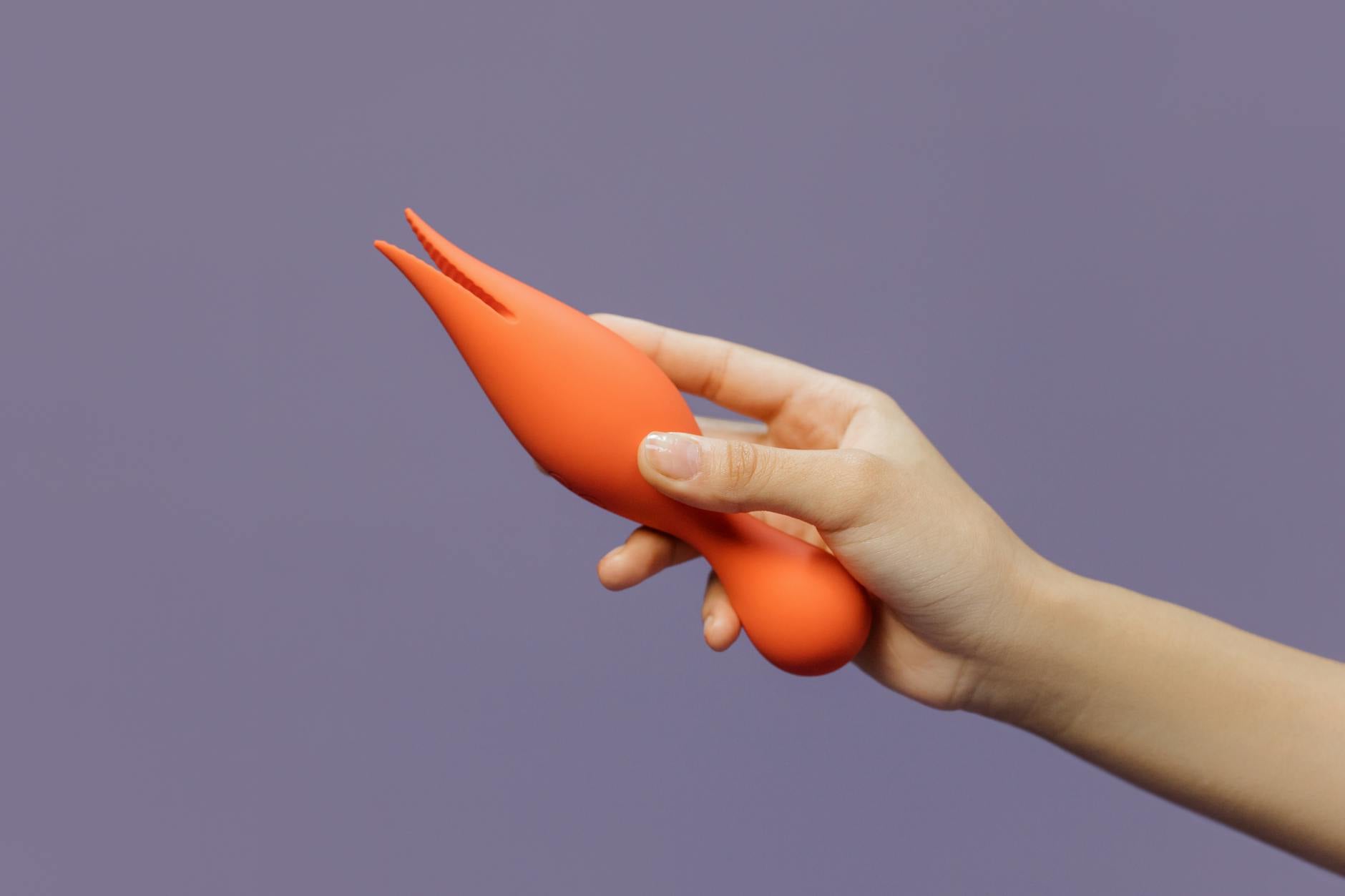
Here's the thing. You love your partner. They love you. But one of you is a five on the sensation scale and the other is a nine. Maybe they need a lot of direct pressure to feel anything, and you wince if the vibration gets above pattern two. This creates a real problem in partnered play, and most couples just... stop talking about it.
The assumption is that you need different toys. Or worse, that one person has to sacrifice their pleasure for the other. Neither is true. A lemon vibrator, especially one with variable intensity and a suction mechanism rather than traditional vibration, can actually bridge that gap in ways that a standard clitoral vibrator can't.
Most vibrators work on one principle: faster vibrations equal more intensity. That means the sensitive partner is limited to the lowest settings, and the partner who needs more stimulation is left frustrated.
A lemon clitoral vibrator works through suction instead. This changes the game.
Suction stimulates nerves differently than vibration does. It's gentler at lower intensities but can also build to a deeply satisfying intensity at higher settings. The key difference: you're not adding more vibration speed. You're adding more suction pressure. For the sensitive partner, this means they can move to a medium pattern without discomfort. For the partner who needs more, they can dial up the suction strength instead of just speed.
Beyond the mechanism, lemon sexual toys typically have a smaller contact surface than traditional wands. Smaller contact area means the stimulation feels more concentrated and precise. That's helpful when you have different thresholds. The sensitive partner gets focused, manageable intensity. The less sensitive partner gets the deep, targeted sensation they're looking for.
Pattern variety matters more than intensity range. If your partner needs something gentle, they might respond better to a rhythmic pattern than to steady vibration. A good lemon sucker toy offers patterns like pulsing, waves, or escalating sequences. That gives the sensitive partner texture without rawness.
Waterproofing is underrated. When you're adjusting intensity mid-session, sometimes it helps to move to the shower or add water play. A fully waterproof lemon adult toy means you can rinse it, start fresh, and change locations without fumbling.
Weight and grip matter. If you're sharing the toy between partners with different needs, you want something light enough that neither person's hand gets tired from holding it at different angles. A grippy handle also matters when one partner is less familiar with how much pressure to apply.
Battery life should be solid. Nothing kills partnered play like a toy dying halfway through because you were switching between patterns. Look for at least 60 minutes of continuous run time.
Let's say you have the toy. Here's how to make it work for both of you.
Start with the less sensitive partner. Have them go first while you watch. They'll find their preferred pattern and intensity level. Let them explore for a few minutes. This isn't selfish. It's data gathering.
Then switch. Have the more sensitive partner use it solo for a bit. They'll find what actually feels good instead of what they think they should enjoy. Often, people with high sensitivity have never been given permission to just sit with a toy and discover what their body actually wants.
Then try simultaneous or alternating use. This is where it gets collaborative. You might take turns, or one partner uses the lemon vibrator while the other uses their hands or another toy. The point is that you're both getting stimulation calibrated to your actual nervous system, not meeting in some unhappy middle ground.
Talk about patterns, not intensity. Instead of saying "I need it stronger," say "I like pattern three better than pattern one." This removes shame from the conversation. It's not that one person is "too much" or "too little." It's just that you have different preferences, like how you both have different taste in music.
Before you even get the toy, have this chat: "What does sensitivity actually mean to you?" Because high sensitivity doesn't always mean "easily hurt." Sometimes it means the person picks up on subtle sensations and wants texture and variation. Low sensitivity might mean they need strong pressure but are totally comfortable with it.
Understanding the why changes everything. If your partner needs intensity because they numb out during arousal due to anxiety, a lemon clitoral vibrator with escalating patterns might help them stay present. If you're sensitive because direct vibration makes you feel raw, the suction mechanism genuinely might solve that.
The honest part: even the perfect toy doesn't fix poor communication. If you're still not talking about pleasure, a lemon vibrator just becomes another source of resentment.
Some common pitfalls. One partner secretly feels like they're "too much" if they need more intensity, so they perform satisfaction they don't feel. The other partner feels guilty that their sensitivity is "inconvenient," so they white-knuckle their way through stimulation that hurts. Neither person says anything. The toy collects dust.
If this is your dynamic, the toy is secondary. The conversation comes first. You might need a couples therapist or sex educator to facilitate that. That's not a failure. That's using the right tool for the job.
Sometimes the best solution actually is two lemon vibrators. This isn't wasteful. It's practical. If one of you loves pattern five and the other loves pattern one, and you both want stimulation at the same time, split vibrators means nobody's waiting around feeling self-conscious.
A pair of lemon adult toys also means each person can explore solo without your preferences bleeding into their experience. That independence actually strengthens partnered play because everyone's clearer on what they actually enjoy.
Couples with different sensitivity levels break up less often because of the difference itself. They break up because they never learned to talk about it. A lemon vibrator can't fix avoidance, but it can give you a practical starting point for the conversation.
Once you're talking, the toy does what it's designed to do. The sensitive partner gets to experience intensity without pain. The less sensitive partner gets deep, focused stimulation. You both get to feel good, and nobody's making a sacrifice that breeds resentment.
Yes, absolutely. The suction mechanism on a lemon clitoral vibrator means the less sensitive partner can dial up the pressure while the sensitive partner stays at a lower pattern. Since suction works differently than speed-based vibration, intensity scaling feels less dramatic. You can both find a sweet spot on the same toy, though many couples find having two makes simultaneous play easier.
A lemon sucker uses suction stimulation rather than vibration alone. This means pressure and rhythm change the sensation more than raw speed does. For couples with different thresholds, that's huge. The sensitive partner can use a medium suction level on a rhythmic pattern and feel satisfied. The less sensitive partner can crank up the suction strength and feel deeply stimulated. A regular vibrator just has speed settings, which doesn't help as much when baseline sensitivity is different.
Starting with the less sensitive partner is actually strategic. They'll find their preferred intensity and pattern, which tells you what the toy is capable of. Then when the sensitive partner uses it, they're not going in blind and worrying they'll turn it up too much. They've already seen that the higher settings exist and work well for someone. This removes the pressure from the sensitive partner's experience.
Frame it as data, not judgment. "I notice I enjoy stronger stimulation and you prefer something gentler" is different from "You're too sensitive" or "You're not sensitive enough." Use language like patterns, pressure, and texture instead of good or bad. A toy gives you a neutral third party to talk about instead of making it about each other's bodies.
For couples with sensitivity differences, yes. A lemon vibrator's external focus means both partners can enjoy it with or without penetration happening separately. It's also easier to adjust intensity on the fly because you're literally controlling the suction and pattern in real time. Penetrative toys are harder to dial up or down once you're already in motion.
The toy isn't the issue anymore. If you've got a tool that works technically but you're still struggling, the block is communication or possibly anxiety. That's when talking to a couples therapist or sex educator helps. A toy amplifies connection if it exists. It can't create connection if the foundation isn't there.