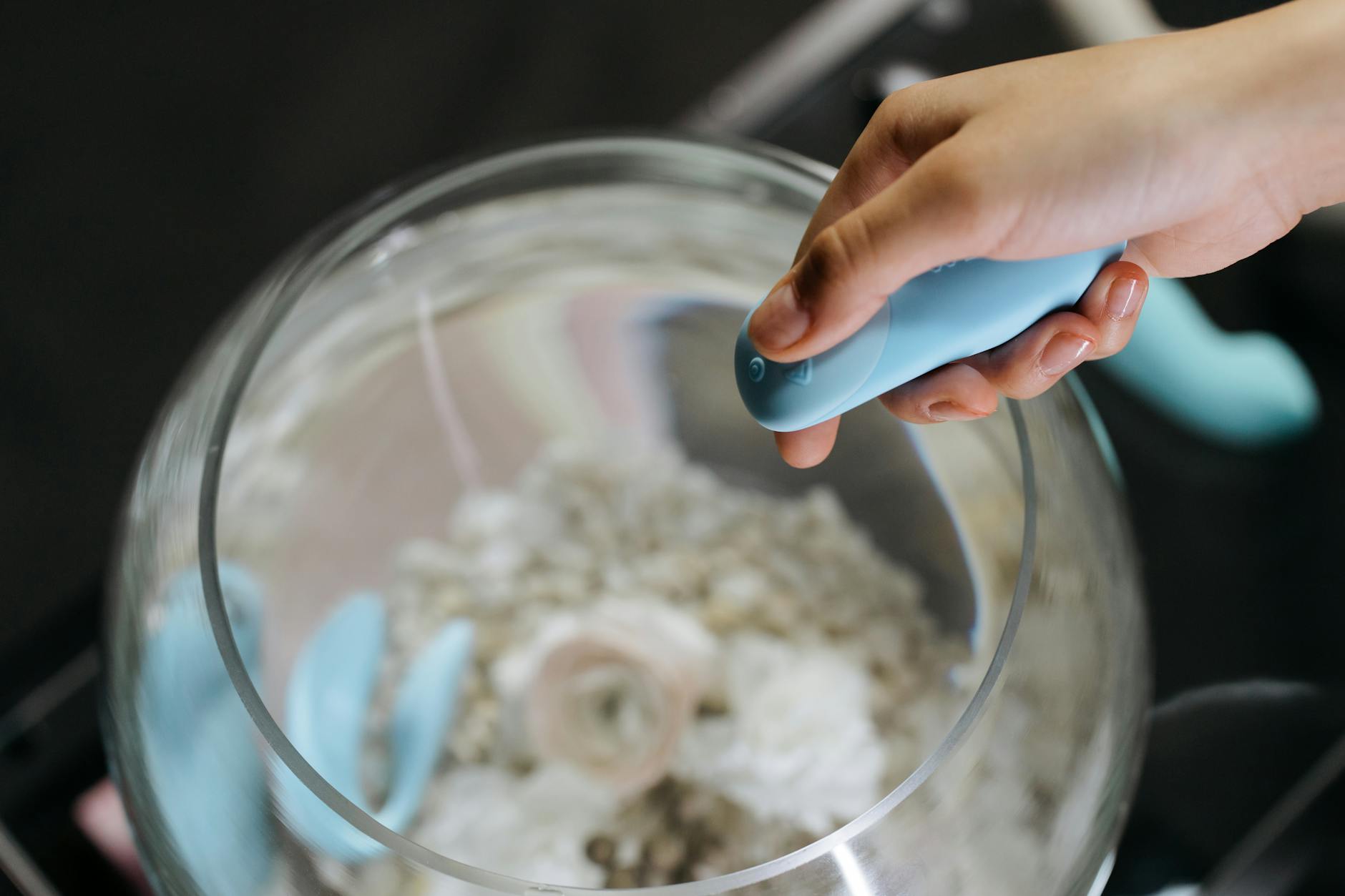
Clitoral desensitization is real. And it's fixable.
Let's be real: you've been using the same toy the same way for months, and suddenly nothing lands the way it used to. It's not in your head. Your body hasn't broken. But something has shifted, and the panic is understandable.
Clitoral desensitization happens when repeated friction or vibration at high intensity numbs the nerve endings over time. It's especially common with traditional bullet vibrators or wand toys used on the highest setting. The good news is that sensation can return, and the reset often feels better than what came before.
Why traditional vibration desensitizes differently
Most clitoral vibrators work through rapid back-and-forth oscillation. That vibration fires the same neural pathways over and over, and after enough repetition, those pathways need higher and higher intensity to trigger a response. It's not laziness on your body's part. It's adaptation, which is what nerve tissue does when stimulated constantly the same way.
Vibration also uses sustained, direct friction against delicate tissue. Over time, this can cause microabrasion and temporary numbness. Think of it like your hand going numb from holding a vibrating power tool for too long. The sensation returns, but you need to stop using the tool first.
How suction-based stimulation works differently
This is where lemon vibrators change the game. Instead of vibration alone, a lemon clitoral vibrator uses air-suction technology that creates a gentle vacuum and pulse effect around the clitoris. The stimulation pattern is completely different from what your nervous system has adapted to.
Suction doesn't rely on the same friction-based pathway. Instead, it engages deeper nerve clusters and creates a broader, more diffuse sensation that your body hasn't been programmed to ignore. It's like switching from one language to another. Your brain is suddenly paying attention again because the input is novel.
A lemon sucker also allows the clitoris to move slightly within the sensation envelope rather than being pinned under direct vibration. This micro-movement activates different mechanoreceptors and actually helps reset desensitized nerve endings.
The reset protocol that actually works
Here's how to use a lemon vibrator to rebuild sensation:
Step 1: Take a break first. I know it's tempting to jump straight to the new toy, but give your clitoris 3-5 days of zero vibration or direct stimulation. This is non-negotiable. Your nerve endings need time to recalibrate. During this window, you can still have partnered sex or use other forms of touch, just nothing buzzing directly on the clitoris.
Step 2: Start with the lowest setting. When you're ready to reintroduce the lemon vibrator, begin on setting one or two. The temptation will be to crank it because you're used to high intensity. Resist. You're teaching your nervous system to respond to gentler input again.
Step 3: Use short sessions. Spend 5-10 minutes max on your first few sessions. More time doesn't equal better results right now. Quality over duration. Your goal is consistency, not conquest.
Step 4: Vary the pattern. If your lemon vibrator has multiple pulse modes, use a different pattern each time. Novelty is what breaks the desensitization cycle. Your brain pays attention to new stimuli.
Step 5: Expect the rebuilding phase. Sensation usually starts returning within one to two weeks, but full sensitivity can take four to six weeks. You might notice a tingly, almost electric feeling in week one. That's a good sign. It means the nerve endings are waking up.
Why partners need to know this too
Clitoral desensitization often coincides with frustration in partnered sex. You're not climaxing. Your partner thinks it's about them. Everyone gets tense. But this is a physical reset, not a relationship issue.
Tell your partner: "I'm rebuilding sensation, which means I might need a gentler pace for a few weeks." That conversation prevents resentment from building. Many couples I work with find that the reset period actually improves their intimacy because it forces them to slow down and explore together differently. Sometimes the most functional thing a couple can do is hit pause.
The role of mindset in sensation recovery
Here's the piece nobody talks about: anxiety about desensitization actually slows recovery. Your nervous system picks up on the pressure to perform, and that tension numbs sensation further. It's a feedback loop.
The antidote is permission. You're not broken. Your body is doing exactly what it's supposed to do when overstimulated. Treating this as a normal recalibration rather than a crisis actually speeds healing. Many people report that their first strong sensation after the reset comes as a surprise because they'd stopped tracking it so obsessively.
Mindfulness during sessions helps too. Instead of goal-focused arousal ("I need to come"), practice sensation-focused touch. Notice the exact quality of feeling. Is it tingly? Warm? Diffused? Naming the sensation actually strengthens the neural pathways that perceive it.
When desensitization might indicate something else
In most cases, this protocol works. But there are a few situations where you should check with a doctor:
If sensation doesn't start returning after six weeks, there might be an underlying hormonal issue. Estrogen and testosterone both affect clitoral sensitivity, and if levels are off, no toy can fix it. A simple blood test can tell you.
If numbness is accompanied by pain, that's different and needs professional attention. Pain plus desensitization sometimes indicates neuropathy or another nerve condition that requires medical evaluation.
If you're on medications that numb sensation (some antidepressants, for example), talk to your doctor before assuming it's overuse. Medication-related numbness needs a different approach.
The long-term approach after sensation returns
Once you've rebuilt feeling, the goal is prevention. That doesn't mean never using high intensity again. It means varying stimulation. Mix high-intensity sessions with gentler ones. Rotate between different types of touch. Take occasional breaks. Think of it like exercise. Doing the same movement every single day eventually stops working. Variation keeps progress going.
Many of my clients find that once they've reset, they actually prefer the lemon vibrator as their primary toy. The reason is simple: it's harder to over-stimulate with suction. The design itself prevents the kind of relentless friction that led to desensitization in the first place. It's pleasure intelligence built into the device.
Clitoral desensitization doesn't mean your body is broken or your pleasure is gone. It means you need a different approach for a few weeks. And often, that reset opens up sensations you didn't know were possible. Your most responsive moments might be waiting on the other side of this pause.
People also ask
How long does it take for clitoral sensitivity to come back after desensitization?
Most people notice the beginning of sensation return within one to two weeks of the reset protocol. Full recovery typically takes four to six weeks. The timeline depends on how long you were overstimulating and how consistent you are with the reset. Taking breaks during those weeks can actually slow recovery, so daily (but brief) use of the lemon vibrator is more effective than sporadic use.
Can you use a regular vibrator if you have desensitization, or should you switch to a lemon vibrator?
You can eventually use both, but during the reset phase, switching to a lemon sucker is smart. Traditional vibrators use the same neural pathways that caused the desensitization in the first place. A lemon clitoral vibrator engages different nerve endings and patterns, which is why it's better for rebuilding. Once sensation is back, you have more flexibility.
Is clitoral desensitization the same as not being able to orgasm?
No, they're different. Desensitization is numbness or reduced feeling in the clitoris. Anorgasmia is the inability to reach orgasm. You can have sensation and not orgasm (different issue), or have desensitization and still reach orgasm, just with less pleasure or intensity. Desensitization is about the quality of feeling, not the binary of climax or not.
Does using a lemon vibrator on high intensity cause desensitization like other toys?
Lemon vibrators are harder to over-stimulate with because the suction mechanism itself prevents the relentless friction that causes numbness. But yes, if you use any toy exclusively at high intensity every single day, adaptation will eventually happen. The key is variation and occasional breaks. Even the best tools need a rotation strategy.
What if desensitization is only on one side of the clitoris?
Unilateral numbness is actually pretty common and usually means you've been favoring one angle or pressure point. The fix is the same reset protocol, but try to angle the toy differently during rebuilding. If sensation is completely absent on one side after six weeks, that's worth mentioning to a doctor. It could indicate a local nerve issue rather than general overstimulation.
Can anxiety or stress cause clitoral desensitization, or is it always from overuse?
Stress and anxiety reduce sensation through hormonal and neurological pathways, but it's different from the mechanical desensitization caused by overuse. If you think stress is the culprit, the reset protocol still works because it forces you to slow down and focus on gentler input, which naturally lowers anxiety during sessions. Often it's both. You've been overstimulating and stressed about it, and both are numbing sensation together.