The honest part nobody explains before surgery
Pelvic floor surgery (whether it's for prolapse, incontinence, or dysfunction) changes how pleasure feels. It doesn't end it. But the gap between what you expect and what actually happens is where most people get stuck, frustrated, and then embarrassed to ask about it.
Let me be clear: you're not broken. Your body is healing from a real procedure, and that healing process rewires sensation, arousal speed, and orgasm intensity. It's temporary. But knowing what to expect makes the difference between "something's wrong with me" and "this is normal, and here's what helps."
What pelvic floor surgery actually does to sensation
During pelvic floor surgery, the surgeon works with tissue, nerves, and ligaments. Even with perfect technique, there's swelling, scar tissue formation, and nerve disruption in the first 3 to 6 weeks. This means:
Arrousal takes longer to build. Your nervous system needs time to recognize stimulation the way it did before. That's not weakness. That's biology. You might need 20 to 30 minutes of foreplay or solo time instead of 10.
Clitoral sensation feels different. Sometimes muted, sometimes hypersensitive, sometimes weirdly displaced (like you feel touch lower or higher than the actual contact point). This usually settles within 4 to 8 weeks, but it can linger longer.
Orgasms change shape. They might feel shallower, more localized, or take longer to build. Some people report stronger orgasms post-recovery. Others find they need different types of stimulation entirely.
Pain during sex is real and common early on. If you're experiencing sharp pain (not just discomfort or unusual sensation), stop and check with your surgeon. Pulling on healing tissue doesn't speed recovery.
The timeline nobody gives you
Weeks 1 to 2: No internal stimulation. Your surgeon said this, and it matters. Respect the healing window.
Weeks 3 to 4: External touch only, gentle. Think soft fingertips, not toys yet. This is about reintroduction, not pleasure.
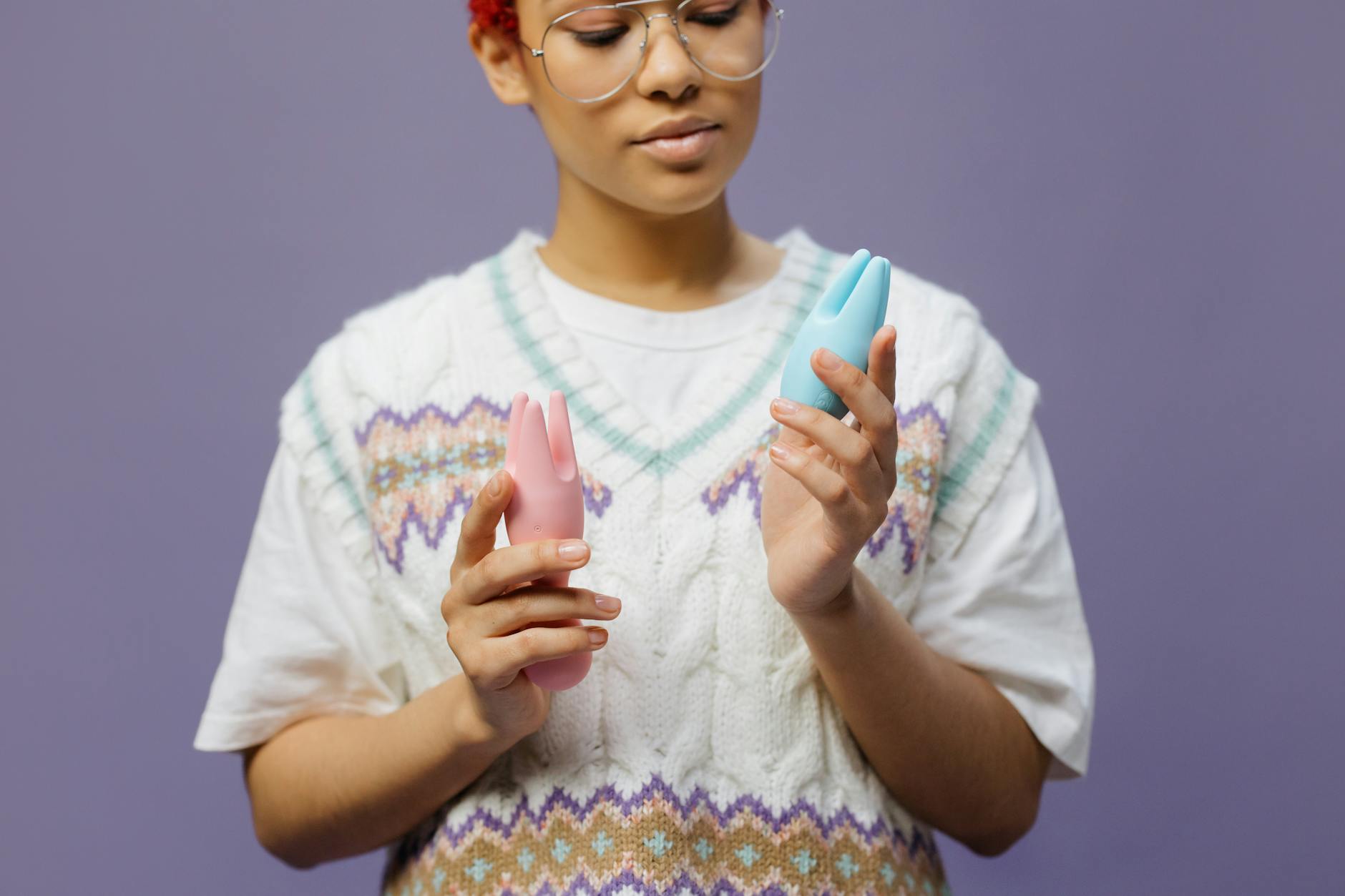
Weeks 5 to 8: External stimulation with tools becomes possible if pain-free. This is where a lemon vibrator's gentle suction design matters. No harsh vibration, no internal pressure.
Weeks 8 to 12: Most people are cleared for penetration by their surgeon, but sensation might still feel off. Patience here prevents setback.
Months 3 to 6: Full sensation usually returns, though some people report ongoing changes even a year out.
Why a lemon vibrator works better during recovery
Let me explain the design difference. A traditional bullet vibrator applies direct vibration to tissue. That's aggressive on healing tissue. A lemon clitoral vibrator uses gentle air-suction technology, which stimulates nerves without harsh mechanical pressure.
During recovery, that matters. A lot.
With a lemon vibrator, you control intensity (usually 5 to 8 levels). You start at level 1 or 2, which feels like a light pulsing sensation rather than buzzing. There's no risk of overstimulating healing nerves. You can use it externally for weeks before considering anything internal, and that's exactly what post-surgery pleasure should look like.
The suction also doesn't require direct pressure. If your clitoris feels tender or hypersensitive (common after surgery), you can hover the lemon vibrator slightly above the tissue. Same effect, less sting.
Rebuilding desire alongside sensation
Here's what I see in my practice: people often conflate two separate recovery processes. One is physical (nerve healing, tissue remodeling). The other is emotional (trust in your body, permission to feel pleasure again, releasing surgery anxiety).
You might clear medical recovery but still feel disconnected from pleasure. That's normal. Surgery carries a psychological weight. Your brain learned to protect that area. Rewiring takes intention, not just time.
Three things help:
First, separate sensation from performance. Don't go into solo exploration expecting an orgasm. Expect sensation. Expect discovery. Expect weirdness. Orgasms come later.
Second, talk to your partner (if you have one) before you're ready to resume sex. Not during the first moment you consider it. Weeks before. Say out loud: "My body changed. Sensation is different. Arousal takes longer. We might need to start over." Saying it removes the shame that usually hides beneath silence.
Third, use lubrication even if you don't think you need it. Surgery thins tissue, increases swelling afterward, and can reduce natural lubrication temporarily. Water-based lube (never silicone on a silicone lemon vibrator) prevents friction discomfort and helps your brain separate "good pressure" from "surgical pressure."
When sensation isn't returning
If numbness or hypersensitivity persists past 12 weeks, ask your surgeon about pelvic floor physical therapy. A trained pelvic floor PT can identify nerve entrapment or excessive scar tissue buildup and address it. This is not failure on your part. This is professional support.
If desire has flatlined and isn't returning with sensation, talk to your GP. Post-surgical depression is real and treatable. So is hormonal disruption after certain surgeries. Don't assume low libido is permanent.
The emotional reset
Surgery interrupts intimacy with your own body and with your partner. That interruption is real. But it's also temporary.
I tell my clients: pleasure is not lost. It's reorganizing. Your job is to show up curious, patient, and willing to discover what comes next. Sometimes what comes next is better than what came before.
Start with touch. Move to external stimulation with a tool like a lemon vibrator when you're cleared. Let sensation rebuild at its own pace. And if you hit a wall, reach out to your surgeon or a pelvic floor specialist. You don't have to figure this out alone.
Common mistakes people make during post-surgery recovery
Rushing penetration because you're "cleared" by your surgeon. Medical clearance doesn't mean desire. Wait until sensation feels normal and pleasure feels possible.
Using toys that are too intense. Your clitoris isn't damaged, but it's healing. A gentle lemon clitoral vibrator beats a powerful bullet vibrator every time during recovery.
Not using lubrication because you used to produce enough. Surgery changes this temporarily. Lube is your friend, not a sign of dysfunction.
Hiding the experience from your partner. Isolation makes recovery harder. Vulnerability makes it faster.
Blaming yourself for sensation changes. You did nothing wrong. Your body is healing. That's all.
FAQ on pleasure after pelvic floor surgery
How soon after pelvic floor surgery can I use a vibrator?
External-only use with a gentle tool like a lemon vibrator is usually safe around week 5 to 6, after initial swelling has subsided and you're pain-free with external touch. Always check with your surgeon first. Internal use comes later, after full medical clearance (usually week 8 to 12).
Will my orgasms feel the same after surgery?
Not immediately. Orgasms often feel different for the first 3 to 6 months due to nerve healing and scar tissue remodeling. Many people report they return to normal or feel even stronger. Some experience lasting changes in intensity or duration. Patience usually wins.
Is it normal to feel numbness after pelvic floor surgery?
Yes. Nerve disruption during surgery causes temporary numbness or hypersensitivity. This typically resolves within 8 to 12 weeks. If numbness persists beyond 12 weeks, ask your surgeon about pelvic floor physical therapy.
Can I use a lemon clitoral vibrator if penetration still hurts?
Absolutely. That's exactly the right time to use one. External suction stimulation bypasses any internal discomfort while rebuilding sensation and arousal. This is a smart recovery strategy.
What if I feel nothing during recovery?
Some numbness is normal. But if you feel nothing at all weeks into recovery, check with your surgeon. Significant nerve damage is rare but possible. Pelvic floor PT can also help wake up dormant nerve pathways.
How do I talk to my partner about changed sensation after surgery?
Be specific and non-apologetic. "My body is healing. Sensation feels different right now. I need more time to warm up, and I want to explore what feels good together." That's honest, clear, and inviting. It opens the door instead of closing it.
The reset button
Pelvic floor surgery isn't the end of your pleasure story. It's the beginning of a new chapter where you get to rebuild sensation, discover what turns you on post-recovery, and often deepen intimacy with yourself or a partner.
Start small. Be patient. Use the right tools. And if you're stuck, reach out to a pelvic floor specialist or your surgeon. You don't have to white-knuckle your way through recovery alone. If you're looking for more guidance on navigating intimacy during physical transitions, consider connecting with a therapist who specializes in recovery and relationship dynamics. I'm here to help at /contact.