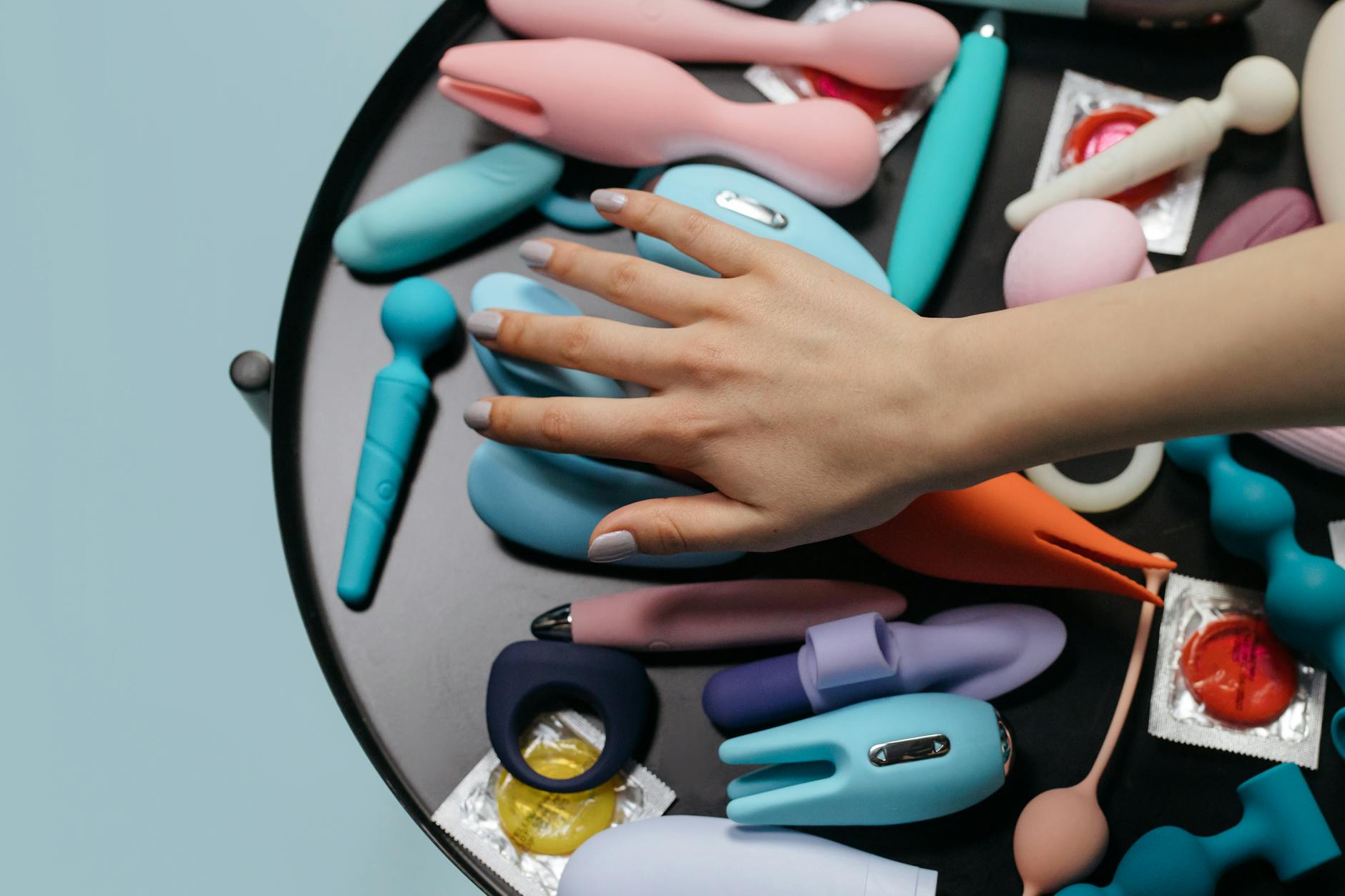
The honest fear nobody names
You've met someone. Things are going really well. And then you realize: I actually want to use my vibrator with this person, or maybe introduce one into our sex life. But what if they think you're not satisfied? What if they feel replaced? What if the whole thing becomes weirdly tense instead of hot?
Here's what I've learned from years of working with couples navigating exactly this moment: the anxiety is almost always bigger than the reality. And the vibrator itself, whether it's a lemon clitoral vibrator like the Lem or any other style, is just a tool. The real work is the conversation.
Let's talk about how to get there.
Why introducing a vibrator early matters more than you think
Timing is everything here, and early in a relationship is actually the right time. Not the first date obviously, but that 2-6 month window when you're building sexual trust and figuring out what you both actually like. This is your window.
Why early? Because if you wait until year three and casually drop "Hey, can we try something new?" your new partner might interpret it as code for "I'm not happy." Early introduction is just exploration. It's discovery together. There's no baggage attached.
Honestly though, there's also something powerful about a partner knowing from relatively early that you're someone who knows what your body needs and isn't shy about it. That's not a red flag. That's confidence, and most people find that attractive.
The setup conversation (do this before anything else)
This doesn't need to be a state-of-the-union address. It's more like a text or a quiet moment that goes something like this:
"Hey, I want to try something with you. I really enjoy using a vibrator, and I'd love to bring it into our sex life. I'm telling you now because I think you should know, and because I want it to be something we do together, not something weird or secret."
That's it. You've named it, you've made it collaborative, and you've removed the shame. Most partners will respond with either curiosity or openness. Some might ask questions like "Will I be enough?" which is a legitimate fear, and here's your answer: "This isn't about you being enough. This is about us exploring something that feels good to both of us. I want you there."
Avoid these phrases: "I need this to get off" (shifts the dynamic to necessity rather than play), "Don't worry, it won't hurt" (implies there's something to worry about), "A lot of girls use these" (peer pressure isn't sexy).
The first time using it together (practical steps)
Start with foreplay and slow buildup. The lemon clitoral vibrator, with its suction design, is intense but not overwhelming. Here's a rhythm that works:
Begin by using it on yourself while your partner watches or touches you in other ways. This does three things. One, it removes the pressure of them having to figure out what to do with it. Two, it lets them see what it does and how you respond. Three, it's genuinely hot for most partners to watch you enjoy yourself with it.
Start on the lowest setting. Let them see where you place it, how long you use it, what your body does. Then invite them to take over. Some partners feel more confident when they're holding the device, so let that happen if it feels natural.
If you're someone who likes to orgasm during partnered sex, a lemon sucker style vibrator is genius because you can use it during other activity. The Lem specifically works with penetration, with manual stimulation, or solo. That flexibility removes a lot of the awkward choreography.
What your partner might be feeling (and what you can actually do about it)
Let's be real about the fear from the other side. Your new partner might worry about a few things: that they're not satisfying you, that the vibrator means they're replaceable, that they're not good enough at this. These thoughts often sit beneath the surface as quiet insecurity.
Here's the antidote: explicit reassurance plus action. Tell them directly: "I want this with you. I want to explore this together." And then show them by staying present, by making eye contact, by touching them back, by making it collaborative instead of you receiving and them serving.
In my experience, couples who introduce vibrators early actually develop stronger sexual communication overall. Because you've already broken the seal on talking about what you want, it becomes easier to ask for other things. You've normalized the conversation.
The vulnerability piece (which is actually the whole point)
Introducing a lemon vibrator or any toy to a new partner is intimate in a different way than sex itself. You're saying, "This is what my body likes. This is what pleasure looks like for me." That's vulnerable.
Most people respond to vulnerability with care when the relationship is solid. If your new partner reacts badly, that tells you something important about them. Someone who shames your pleasure, who can't handle your agency, who turns it into a threat to their ego — that's information.
But the vast majority of partners, especially in the early months when curiosity is high, will meet you with interest. They might be curious about what it feels like, how you use it, what sensations it creates. They might want to try things together. That's the outcome you're aiming for.
How to navigate if they seem hesitant
Some partners need a beat to process. They might have been raised with shame around toys, or they might feel uncertain about their role. Here's what helps:
Give them agency. Ask what they're comfortable with instead of assuming. "Would you rather watch, or would you like to be more hands-on?" Remove the pressure of there being one right way to do this.
Educate gently if needed. If they think vibrators are only for people who "can't get off otherwise," correct that softly: "Actually, a lot of people use these just because it feels different and good. I like the sensation." Facts help dissolve shame.
Start smaller if needed. If they seem nervous about the lemon clitoral vibrator during partnered sex, begin solo. Let them see that you're comfortable with it, that it's normal to you, that there's nothing weird happening.
Listen to genuine concerns without taking them personally. If they say "I want to make sure I'm doing something for you," that's actually sweet and comes from care. "You are," you can say. "This is an addition, not a replacement."
After the first time (keeping the momentum)
Don't treat it like a one-off experimental thing. If it felt good and they seemed open, bring it back. Use it again. Let it become normal. The more routine a vibrator is in your shared sex life, the less weird it feels and the more natural the whole dynamic becomes.
You might find that your new partner gets excited about it in ways you didn't expect. They might want to control it. They might enjoy watching your response. They might ask questions about other things you like. All of that is the conversation you wanted to open.
The bigger picture
Honestly, a new relationship is the best time to establish that you're someone who knows what feels good and isn't ashamed to pursue it. That's a foundation for a healthier, more honest partnership long-term. Whether you're using a lemon vibrator solo or with a partner, you're saying: my pleasure matters, and I'm going to be direct about it.
Most partners respect that. Many find it magnetic. And if someone doesn't, that's information too.
Your body, your pleasure, your boundaries. The vibrator is just the tool. The real work is showing up with honesty.