How to Use a Lemon Vibrator When You Want to Reconnect After Years of Low Desire
Honestly? Years of low desire in a relationship doesn't mean the desire is gone. It means it's been buried under logistics, resentment, fatigue, and the kind of relational scar tissue that forms when sex becomes another obligation instead of something you both want.
I've worked with hundreds of couples in this exact spot. The pattern is always the same: one person initiates, gets rejected, stops trying. The other person feels guilty about rejecting, so they also stop initiating. Over time, sex becomes a ghost in the relationship. It's not that anyone stopped loving anyone. It's that the whole thing got too painful to touch.
The good news is that this is fixable. More than fixable. What comes next is often better than what came before, because this time you're choosing it together.
Why desire actually disappears (and why it can come back)
Let's start with the physiology. When we feel rejected or unseen, our body stops sending the "this is safe to want" signal. Cortisol (the stress hormone) floods in. The nervous system defaults to defensive mode. Over months and years, your brain stops even generating the thought "I want sex" because the anticipation of disappointment is too high.
This isn't laziness. It's protective.
But here's what matters: that signal can be reactivated. Your nervous system can learn that desire is safe again. That touch leads somewhere good. That pleasure is available without strings attached.
What most couples don't realize is that this reactivation rarely happens through conversation alone. Talking about sex when you haven't had it in years is like trying to remember a song you've never heard. The words exist, but the feeling doesn't. You need the felt experience to come first.
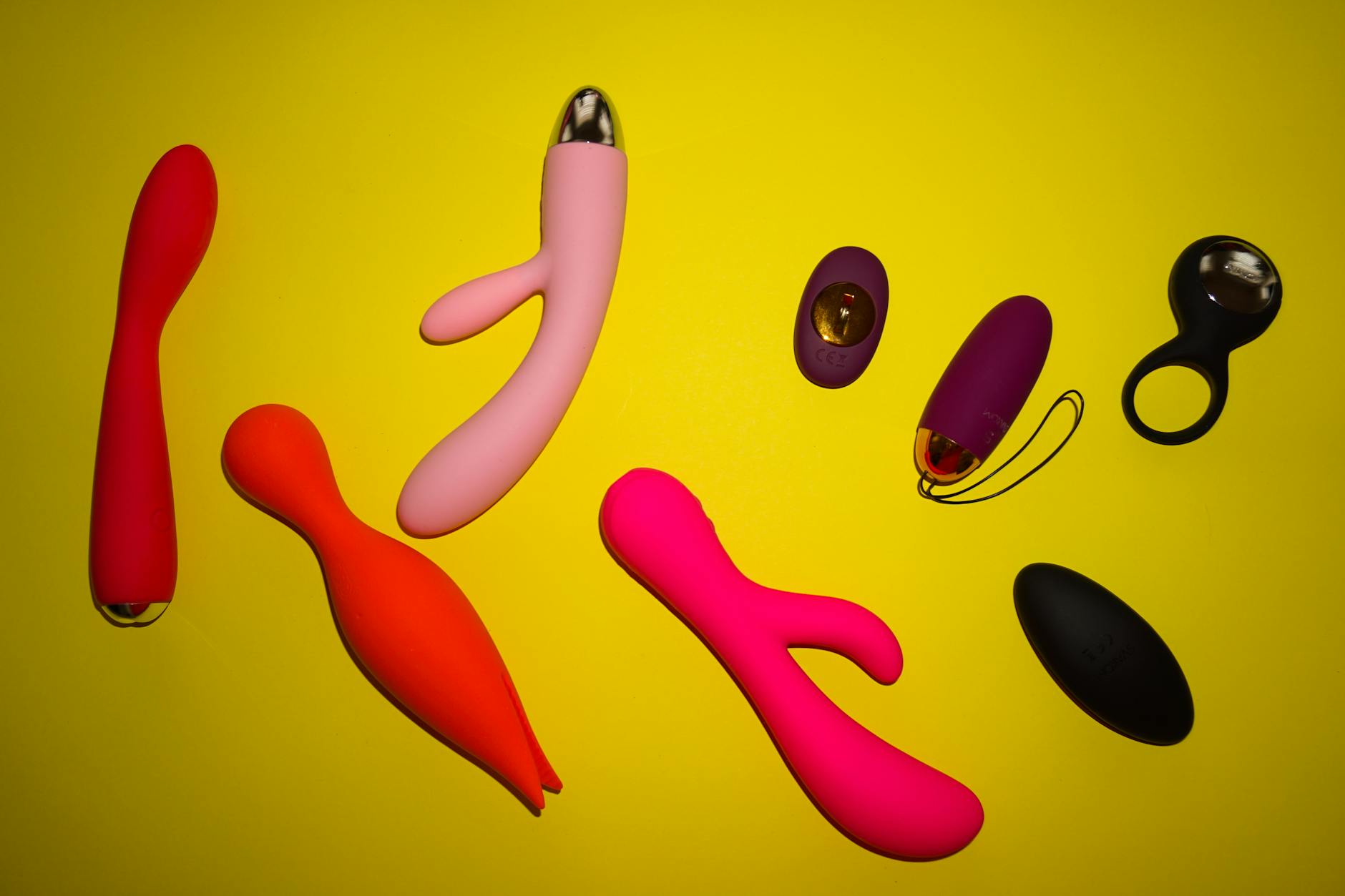
That's where a lemon clitoral vibrator enters the picture. Not as a Band-Aid, but as a reset button.
Why a lemon vibrator specifically works for reconnection
A lemon sucker or clitoral vibrator like the Lem does something conventional stimulation can't: it creates pleasure that's divorced from performance anxiety. When you use it solo first, you're not watching a partner's face for approval or managing their expectations. You're just finding out what feels good right now, in this body, at this stage of your life.
Then, when you bring it into partnered sex, it shifts the dynamic completely. Suddenly the focus isn't on "Can I get aroused fast enough?" or "Is this taking too long?" The device is doing the work. Both of you can relax into it.
A lemon vibrator also creates a natural conversation starter. "I want to try this" is less vulnerable than "I want to want you again." It's a concrete object, a neutral party, something to do together without the pressure of traditional sex hanging over it.
The solo foundation: rediscovering pleasure alone
Before you bring this into partnered play, spend time with a lemon clitoral vibrator by yourself. This isn't selfish. This is essential.
Start with no expectation of orgasm. The goal is just sensation. Explore different patterns and intensities on the Lem or another quality clitoral vibrator. Notice what your body wants right now. You might be surprised. Years of avoiding sex can mean you've forgotten what pleasure actually feels like to you specifically.
The patterns matter more than you'd think. Some people find that lower intensities (patterns 1-3) wake up sensation that's been dormant. Others need to go higher to feel anything at all. There's no right answer. You're just listening.
Do this consistently for 1-2 weeks before you bring it into partnership. You're not just exploring pleasure. You're sending a message to your nervous system: "This is safe. This is for you. You deserve this."
The conversation that actually works
When you're ready to involve your partner, don't ask for permission. Announce what you're doing.
"I've been exploring solo, and I want to try something with you. I want to use a clitoral vibrator during sex. I'm not saying anything's wrong with how we do things now. I'm saying I want to feel more pleasure, and this is how I want to try." Period. No qualification. No apology.
This matters because it frames it as something you want, not something you're missing from them. It makes it less defensive.
Your partner might feel insecure. That's normal and expected. The response isn't to reassure them endlessly. It's to be specific about what you want: "I want us to explore this together because I want to feel closer to you, not further away." Then show them what you mean.
When it comes to using a lemon vibrator with a partner, start with foreplay only. Hold it against yourself while they watch, or have them hold it. You're not trying to leap straight to partnered penetration with the device involved. You're rebuilding intimacy in smaller steps.
Many couples find that once sensation comes back, so does the desire to have more conventional sex. Others find they actually prefer the rhythm a vibrator creates. Both outcomes are fine.
The timing and rhythm shift
One huge difference with lemon vibrators and clitoral suction devices: arousal happens faster, but in a different way. You might find that you reach a plateau quickly, then need a longer wind-down. This is totally normal.
If penetration is part of your partnered sex life, using a lemon clitoral vibrator during penetration is where many couples find their sweetspot. The vibrator handles arousal and sensation. Your partner handles intimacy and presence. Both of you get something out of it.
The key is not rushing. Spend 15-25 minutes on foreplay before you think about moving to anything else. After years of low desire, your body and nervous system need time to believe this is actually happening.
The real work: emotional reconnection
Here's what a lemon vibrator can't do: fix trust or repair years of hurt. What it can do is create a bridge. It creates a place where both of you can be curious again, without the weight of years of rejection and disappointment.
But while you're rebuilding sexual connection, you also need to rebuild emotional connection. That means showing up differently outside the bedroom. Listening without planning your response. Apologizing when you've contributed to the distance. Asking your partner how they're really doing, not just in sex, but in life.
If you find that even with a lemon clitoral vibrator, the desire stays absent, that's worth talking to a therapist about. Sometimes low desire is pointing at something bigger. A couples counselor who specializes in sexual intimacy can help you figure out if this is a desire issue, a trust issue, an resentment issue, or some combination.
The patience part
Rebuilding desire after years of dormancy takes time. You might use a lemon vibrator a handful of times and feel nothing. That's okay. Keep going. Your nervous system is learning to trust again, and that doesn't happen on a schedule.
Some couples find their desire comes back within weeks. Others take months. There's no timeline that's "right." What matters is that you're both choosing it, together, without pressure.
And here's the truth that most people don't talk about: sometimes desire comes back differently. You might not want sex the same way you did 10 years ago. That's not failure. That's growth. Your body has changed. Your relationship has changed. Your priorities have changed. The pleasure you find now might be more intentional, more present, less performative.
FAQ: Reconnecting with a partner using a lemon vibrator
What if my partner feels threatened by a vibrator?
This is the most common worry I hear. Here's the truth: your partner isn't threatened by the vibrator itself. They're threatened by what they think it means. It might mean "I'm not enough" or "You don't really want me" or "This is going somewhere I can't follow." Have that conversation directly. You can't fix what you don't name. You might say: "I want this because I want us to feel good together. This isn't about you being not enough. It's about me discovering what I need right now." Then follow through. Show them that this is about connection, not escape.
Can I use a lemon sucker during penetration?
Absolutely. Many couples find that using a clitoral vibrator during penetrative sex creates the stimulation that leads to orgasm faster and more reliably. It also takes performance pressure off your partner. They can focus on presence and intimacy instead of worrying whether you're going to orgasm. Just make sure you're using a water-based lubricant (silicone-based lubes can damage some vibrators) and that both of you have talked about comfort beforehand.
What if I've been avoiding sex because I had a bad sexual experience in the past?
Then you need a trauma-informed sex therapist before you try using a lemon clitoral vibrator. Rebuilding desire after trauma requires professional support. A vibrator can be part of your healing journey, but it can't be the whole thing. A good sex therapist can help you understand what happened and how to reclaim pleasure safely. That's not a limitation. That's actually the smartest choice you can make.
How often should we use a lemon vibrator when we're trying to reconnect?
Start with once a week, dedicated time. Not quickies. Not while you're both tired and resentful about something else. Actual time set aside where both of you have said "yes, I want this today." Some weeks you might use it twice. Some weeks you might skip it. That's all fine. The point is consistency without obligation. If it starts to feel like another chore, you're doing it wrong. Pull back. Talk about what's making it feel pressured.
What if my partner wants to reconnect but I'm still carrying anger about the years we didn't have sex?
You're allowed to feel angry. That anger probably kept you sane during a painful period. But anger and desire can't coexist. So you have two parallel paths: processing the anger (maybe with a therapist) while slowly, gently, exploring whether desire can come back. You don't have to forgive everything to move forward. You just have to decide whether you want to build something new together. That's different from going back to what was.
Can I use a lemon vibrator if I'm not sure I want to be with my partner anymore?
Not really, no. Using a clitoral vibrator or any intimate device while you're ambivalent about the relationship is going to create more confusion, not less. First, figure out whether you want to stay. Then, if you do, rebuild from there. If you're using the vibrator as a way to avoid the larger conversation about whether this relationship is working, that's avoidance masquerading as reconnection. Be honest with yourself first.
What reconnection actually looks like
Here's what I've seen happen in couples who've walked this road: they don't always go back to having a lot of sex. But they go back to wanting each other. They remember why they chose each other. Sex becomes something they do because they want to, not because they should. And that shift, from obligation to choice, changes everything.
A lemon vibrator or clitoral suction device isn't magic. But when you use it with intention, as a tool for exploring pleasure together after years of avoidance, it can be transformative. You're saying "I want us. I want pleasure. I want to feel alive in this relationship again." And your partner gets to say yes or no to that, knowing exactly what you're asking.
If you're stuck in low desire and you don't know how to get out, that's what I'd start with: one honest conversation, and one device. See what happens. Sometimes the smallest tools unlock the biggest shifts.