Here's the thing about speed
We've all been conditioned to think faster is better. Faster climax, faster satisfaction, check the box and move on. But neuroscience and decades of sex research point to something different: slower arousal patterns actually create more intense sensation, better orgasms, and deeper connection, whether you're alone or with someone else.
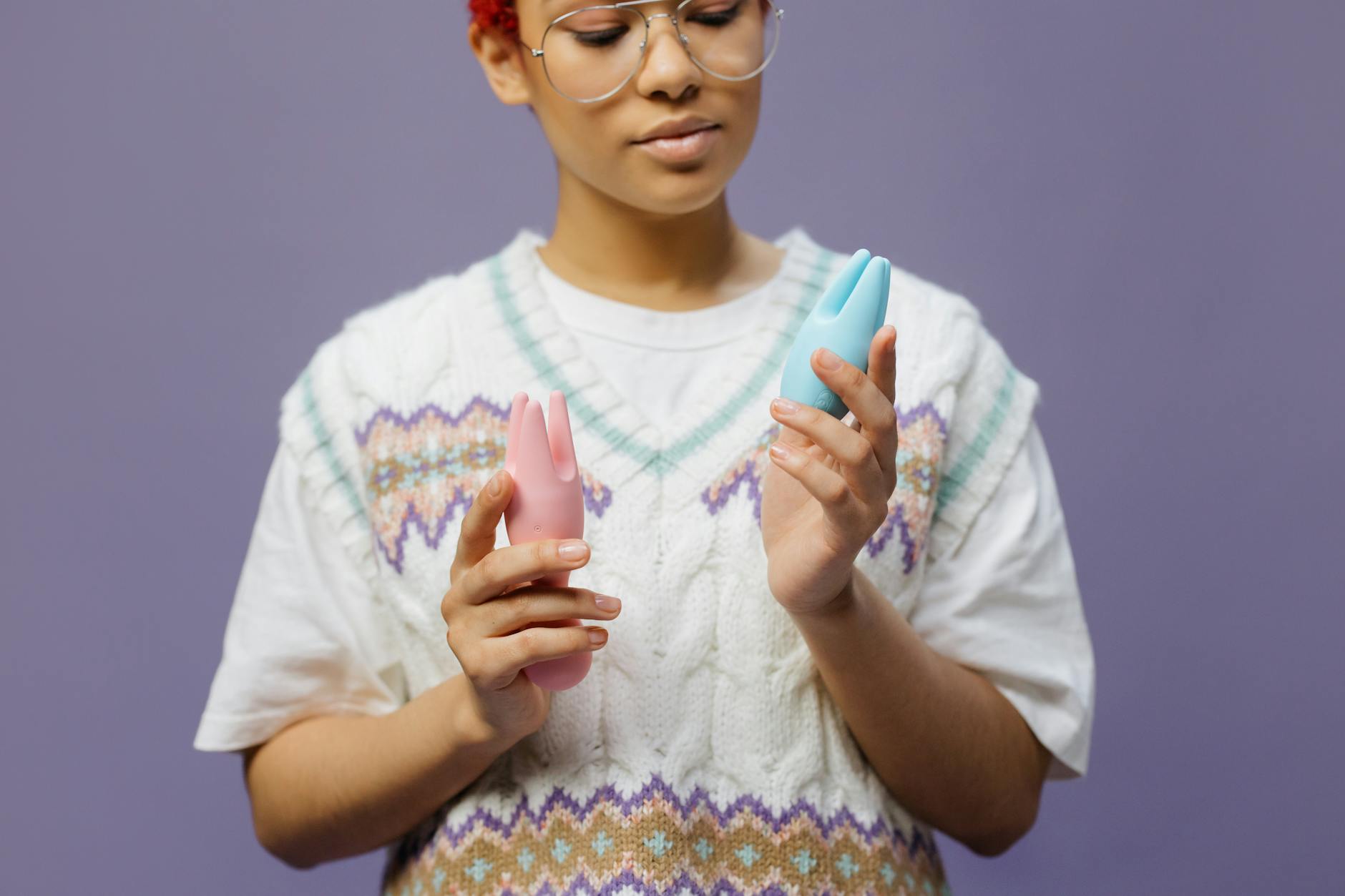
The lemon vibrator, with its unique suction-based stimulation, is almost designed for this approach. Unlike traditional vibrators that depend on rapid movement, a lemon clitoral vibrator works best when you're patient. Let me show you how to use this to your advantage.
Why your nervous system needs time
Arousal isn't a light switch. It's a dimmer. Your body has actual neurological phases: desire, arousal, plateau, orgasm, and recovery. Most people compress these into a few minutes. What happens when you don't rush is that each phase deepens. Blood flow increases gradually. Nerve endings become more sensitized. Your brain releases more oxytocin, the bonding chemical that makes pleasure feel richer.
Sexual researcher Emily Nagoski calls this "responsive desire" versus "spontaneous desire." You can't always flip a switch and feel turned on immediately. But when you give yourself time, when you start gentle and build slowly, you activate responsive desire. Your body catches up to your intention. The Lem vibrator is perfect for this because the sensation is concentrated and building rather than overwhelming.
Think of it like a massage. A two-minute shoulder rub doesn't do much. But fifteen minutes of steady, intentional pressure? That's when your muscles actually relax and respond. Same principle.
The 20-minute arousal window: what actually happens
Here's a concrete timeline for slow build with a lemon sucker:
Minutes 0-5: No vibration yet. Use this time for whatever helps you settle into your body. That might be breathing, touching yourself without the device, adjusting position, or if you're with a partner, kissing or caressing. Your vulva is just beginning to swell. Blood is moving.
Minutes 5-10: Turn the Lem on to pattern 1 or 2. Lowest setting. This isn't the moment for intensity. You're introducing sensation gently. Move it around the clitoral area. Some people find the side of the clitoris more sensitive than the direct tip. Explore. This phase is about curiosity, not destination.
Minutes 10-15: Gradually increase pressure or pattern intensity. Stay in the 2-3 range if your device has adjustable patterns. You'll notice the sensations becoming sharper. This is arousal plateau building. If you're with a partner, this is when you might sync your breath or make eye contact. Your nervous system is starting to lock in.
Minutes 15-20: Now you can experiment with the intensity your body is actually ready for. If you haven't already, this is where higher patterns become tolerable and pleasurable. But here's the key: you've built capacity. Your tissues are engorged. Your neural pathways are primed. When you do reach orgasm from this foundation, it's deeper.
That 20 minutes doesn't feel long once you're in it. And the difference in sensation? Wildly worth it.
Practical adjustments for real life
Obviously, not everyone has 20 uninterrupted minutes every time. But even shortening this to 12-15 minutes shifts the experience. Here's what helps in practice:
Eliminate distractions first. Your phone in another room, partner knows you need focus, kids occupied. Your brain can't shift into responsive desire if you're listening for the doorbell. This isn't luxury. This is biology.
Use lubricant from the start. Water-based lube isn't just for comfort. It signals to your body that something pleasurable is happening. It also makes the Lem glide more naturally, so you're not adding friction-based discomfort on top of everything else.
Vary the pattern or position every 3-4 minutes. You don't need to escalate. You just need to shift slightly. Move the device half an inch. Change the pattern. This keeps your nervous system engaged rather than habituated. You want to stay in that building phase, not plateau out too early.
Temperature and texture matter more than you'd think. Some people warm their hands first before touching themselves. Some keep the Lem at room temperature. Cold silicone against warm skin can be shocking in the beginning, so letting the device warm up during those early minutes helps.
Partnered slow-build: a different animal
If you're with someone, the slow approach changes the dynamic entirely. You're not just building your own arousal. You're syncing nervous systems.
Talk about it first. "I want to try something where we take longer and build slowly together." Partners often think faster equals more pleasure for the person receiving stimulation. When you explain that you actually want them to slow down, most respond well.
Here's where a lemon vibrator is genuinely better than a partner's hand alone: it gives consistent stimulation while they can focus on you. Eye contact, kissing, talking. When your partner isn't concentrating on "am I doing this right," they can be fully present. They can use their hands elsewhere. You're not managing their effort while trying to build your own sensation.
I've worked with countless couples who discovered that slowing down actually deepened their physical connection more than any technique. Because you're together for 20 minutes instead of 5. You're breathing together. You're checking in. When orgasm arrives, it feels less like a solo event and more like something shared.
When slow build doesn't feel good
Not everyone benefits from this approach, and that's fine. Some nervous systems thrive on intensity and speed. Some people have had experiences that make extended build feel anxiety-inducing rather than pleasurable.
If you're noticing that slow arousal triggers tension or racing thoughts, you might have a bit of performance anxiety or trauma history that needs different support. A therapist who specializes in sexual health can help. That's not a failure of the method. That's you knowing your own nervous system.
For others, medications like antidepressants can make slow build feel numb rather than building. In those cases, knowing your baseline sensitivity and maybe working with your prescriber on timing or alternatives makes sense. The Lem is flexible enough to work with different approaches. But you have to start with what's actually true for your body right now.
The why behind the sensation
When you take time to build arousal slowly, you're not just prolonging foreplay. You're actually engaging different neural pathways. Shallow, quick stimulation activates surface sensation. Slow build allows deep pressure receptors and temperature sensors to wake up. Your orgasm recruits more muscles. It lasts longer. It feels bigger.
You're also resetting your baseline. If you've spent years having quick sex or solo sessions, your body gets conditioned to expect that pace. When you deliberately slow down for a few weeks, you literally retrain your nervous system. Then when you do want faster stimulation, it hits differently because you've broadened your window.
That's why a lemon clitoral vibrator works so well here. The suction mechanism doesn't require intense speed to feel amazing. It's already a different sensation than a traditional vibrator. Pair it with slow, intentional use and you've got something most people have never tried.
Making this a ritual, not a chore
Slowing down only works if it doesn't feel like homework. You're not timing yourself. You're not checking the clock. You're setting an intention: "Tonight I'm building something longer than usual."
That intention changes everything. You're not rushing because you think you should. You're taking your time because you decided that's what you want right now. You deserve that space. Your pleasure deserves that investment of attention.
Start with once a week if you're new to this. Pick a time when you're already a bit relaxed. Dim the lights. Put your phone away. Tell your partner (if you have one) what you're doing so they know not to interrupt. Then follow the timeline above and notice what shifts.
Most people report that after three or four slow sessions, their baseline arousal capacity changes. Faster sessions still work. But slow sessions become something you actively crave because the sensation is legitimately different.
FAQ: Slow arousal and the lemon vibrator
How do I know if I'm spending too long in early phases?
You should feel sensation building. If you're at minute 10 and nothing feels different than minute 2, something's off. Could be medication, stress, or just that particular day. It's not about forcing it. If building isn't happening, shift the approach: maybe fast works better today. No shame in that.
Does slow arousal take longer to reach orgasm?
Usually yes, but the orgasm itself is often longer and more intense. You're trading time-to-climax for depth-of-sensation. Some people reach orgasm faster from a longer build because their nervous system is so engaged. Everyone is different.
What if my partner rushes the process?
This is a communication moment. Tell them specifically: "I want you to spend the first five minutes not using the Lem at all." Give them a role that's about presence, not speed. Often partners rush because they're anxious or unsure, not because they don't care about your pleasure.
Can I use slow build if I have sexual pain?
Maybe. Pain during slow arousal often signals something that needs assessment, like pelvic floor tension or tissue sensitivity. A pelvic physical therapist or sexual health provider can help you distinguish between good sensation and pain. Don't push through actual pain thinking slow build will fix it. Get support first.
Is slow build the same as extended foreplay?
Not quite. Extended foreplay is anything before penetration or primary stimulation. Slow build is a specific approach to arousal itself where you deliberately pace the intensity of sensation. You could have slow build without much foreplay, or extended foreplay that's not slow build. They're different things.
How do I know when to escalate intensity?
Your body tells you. You'll notice you want more. You might move your hips more. You might hold your breath. Some people feel an almost impatient sensation. That's your nervous system saying it's ready. Not before. Not on a schedule. When your body actually asks for it.
The real win
Slowing down isn't about deprivation or discipline. It's about discovering that your body is capable of way more sensation than you've been giving it access to. When you use a lemon sucker like the Lem with intention and patience, you're not just having a longer session. You're retraining your whole arousal system. That pays off in every experience after.
Try it once. Pick a time when you're already a bit relaxed and have genuine time. Follow the timeline. Notice what happens. Your nervous system might surprise you.