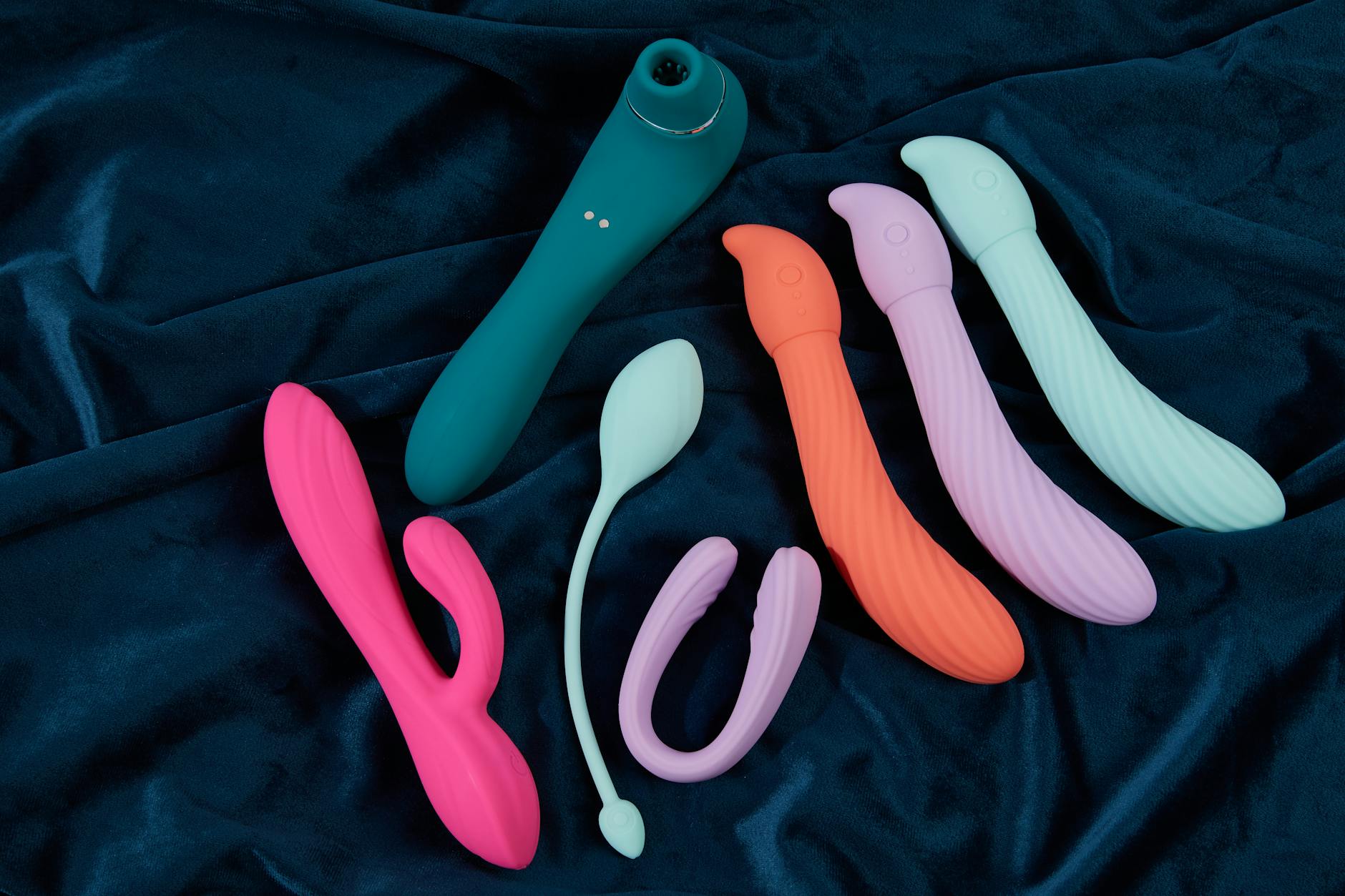
Coming off the pill changes everything, including pleasure
Let's be real. You've been on hormonal birth control for years, maybe a decade. Your body has been operating under a specific hormonal regime, and your nervous system has calibrated to it. Now you've decided to stop, and suddenly your brain chemistry, your energy, your mood, and yes, your sexual response are all shifting back to baseline. It's not subtle. Many people describe the first few weeks after quitting hormonal contraception as feeling like someone else's body, which is actually exactly what's happening at a neurochemical level.
Here's what nobody tells you before you quit: your pleasure response is going to feel unfamiliar. That's not a problem. It's information.
What hormones actually do to your arousal
Hormonal birth control suppresses your natural testosterone and estrogen cycles. Testosterone is your primary driver of desire. Not just for people with penises. People with vulvas produce testosterone too, and when birth control keeps levels low and flat, your body operates in a kind of gentle arousal limbo. You might feel stable and emotionally calm, but desire can feel muted or absent entirely. Some people don't notice this at all. Others describe years of lower libido without realizing the pill was the culprit.
The moment you stop taking hormones, your testosterone can rebound quickly. For some people this happens within days. Others need two to three cycles to feel the full effect. When it does kick in, the experience is often shocking. Suddenly you notice people. Suddenly you have thoughts. Suddenly your clitoris feels more responsive to stimulation, and that urge to touch yourself returns with real urgency.
But it's not just testosterone. Birth control also affects blood flow, tissue sensitivity, and how quickly your body responds to physical touch. Estrogen supports natural lubrication and blood vessel elasticity in the genital tissues. When that dips on hormonal contraception and then suddenly normalizes, you'll notice the difference during arousal. Your body might produce more natural lubrication. The clitoral tissue might swell more quickly. Orgasms might feel sharper or more intense than they did on the pill.
Why your lemon clitoral vibrator feels different now
If you were using a lemon vibrator while on birth control, returning to it after stopping is genuinely worth paying attention to. The tool is the same. Your body's response is not.
Many people report that a lemon clitoral vibrator or any suction-style vibrator feels more intense after stopping hormonal birth control. This isn't imagination. Your clitoral tissue has more blood flow. The nerve endings are more activated. The suction sensation, which might have felt subtle or needed longer stimulation before, now can build to orgasm quickly. Some people find they need to start on a lower intensity setting. Others find that they've rediscovered the capacity for multiple orgasms, which often disappears on hormonal contraception.
The lemon sucker's gentle suction mechanism means it's working with your natural physiology rather than against it. Post-contraception, when your body is hyperresponsive, this approach can feel revelatory compared to direct vibration.
The rebound libido is real, and it's not permanent
Don't panic if your desire shoots through the roof in week two or three. This is normal. Your body is experiencing a neurochemical rebound. Dopamine levels spike, testosterone is no longer suppressed, and you're getting the full hormonal symphony for the first time in years.
The intensity will settle. Not disappear, but normalize into whatever your true baseline libido is. This usually takes four to six weeks, though it can take longer for some people. The most helpful thing you can do is pay attention during this window. Track what turns you on. Notice whether your fantasies have changed. See which physical sensations feel new or amplified. This information is gold for understanding yourself outside of hormonal suppression.
How to reconnect with your lemon vibrator after stopping birth control
Start slower than you think you need to. Seriously. If you were using the Lem on setting three before, begin on setting one this time. Your clitoris is more sensitive right now, and overshooting can lead to numbness or irritation. You're not starting from scratch. You're recalibrating.
Give yourself longer warm-up time than you might expect to need. Post-contraception, your body is hyper-responsive, but your mind might need space to catch up. Spend time touching yourself without the vibrator first. Notice what feels different. Let arousal build gradually. Then introduce the lemon sucker on the lowest setting and observe how quickly sensation builds.
Pay attention to your vulva's response. Some people find they're producing more natural lubrication than they did on birth control. Others find their vulvas are drier. Both are normal. If you're drier, use a water-based lubricant anyway. It's not a sign that something's wrong. It's just part of the recalibration.
Watch your orgasm pattern. If you used to have one orgasm on the pill and needed a while to recover, you might find that post-contraception you're capable of multiple orgasms in quick succession. Or you might find the opposite. Your refractory period (the time between orgasms) shifts based on hormones. Notice what your rhythm is now, and work with it instead of against it. This goes for whether you're using the Lem vibrator solo or with a partner.
The emotional piece you probably haven't thought about
Stopping hormonal contraception isn't just a physical transition. It's an emotional one. Hormones affect mood stability, anxiety levels, and emotional regulation. For some people, birth control was masking anxiety or depression. Stopping it can unmask those. For others, the pill was exacerbating those symptoms. Coming off it brings relief.
Your sexual response is deeply tied to your emotional state. If you're grieving the loss of a coping mechanism, or conversely, if you're experiencing newfound emotional clarity, that's going to show up in your body. Pleasure and anxiety don't coexist. If you're feeling emotionally fragile in these first weeks, your capacity for arousal might temporarily decrease, even as your physical capacity increases. That's not a contradiction. That's your nervous system responding to change.
If you have a partner, this is worth naming out loud. Your desire might spike while their desire remains stable. Your orgasms might feel different. You might need different kinds of touch. The worst thing you can do is assume these changes are about your partner or your relationship. They're about your neurobiology recalibrating after years of artificial hormonal suppression. Talk about it. Stay curious instead of panicked.
Timeline: what to expect in the first six weeks
Weeks one and two: hormones are shifting, mood can be unpredictable, libido might dip before it climbs. This is normal. Use your lemon vibrator if you want to, but don't expect miracles yet. You're in transition.
Weeks three and four: rebound desire often peaks here. Testosterone is rising, your body is waking up, and pleasure can feel urgent and sharp. This is the window when many people are shocked by how responsive they are to stimulation. The Lem vibrator can feel wildly intense during this window. Starting low is genuinely important.
Weeks five and six: your nervous system is beginning to stabilize at its new baseline. The urgency settles into something more sustainable. You're learning what your body actually wants, not what the pill was keeping you from wanting.
After six weeks: most of the acute shifts have happened, though subtle recalibration continues for months. Your cycles are becoming regular again, which means your libido and arousal response will start to shift across your menstrual cycle in ways you probably haven't felt in years. If you menstruate, pay attention. Your pleasure response around ovulation might be completely different from your response during the luteal phase. That's your body working, not your body broken.
When to check in with a provider
If you're experiencing pain during sex or orgasm, don't wait. That's a signal worth investigating with a gynecologist. Post-contraception hormonal shifts shouldn't cause pain, and if they do, something else might be going on.
If your mood has become unstable or you're experiencing anxiety or depression that feels unmanageable, talk to a therapist or your doctor. Hormonal transitions can unmask or trigger mental health shifts. That's treatable and worth addressing.
If your desire hasn't returned in eight weeks and you were expecting it to, that's also worth discussing with a provider. Sometimes stopping hormonal contraception reveals that something else was suppressing desire. Sometimes the psychological weight of using contraception was affecting arousal, and stopping it doesn't immediately fix that. Either way, a conversation with someone trained in sexual health can help clarify what's happening.
The bright side
For most people, coming off hormonal birth control is the first time in years they experience their body's actual sexual response. That can be powerful. Suddenly your desire is real, not pill-managed. Your orgasms might be more intense. Your fantasies might shift. You might discover that you want things you didn't know you wanted.
A lemon vibrator or any clitoral vibrator is a useful tool during this transition because it lets you explore sensation without the complexity of partnered sex or the mental load of figuring out what you want from another person. You get to touch yourself and listen to what your body is actually asking for.
That's the gift of recalibration. Yes, it's unfamiliar. Yes, it requires attention. But it's also an opportunity to know yourself outside of hormonal suppression. And that knowledge is worth the adjustment period.
Common questions about lemon vibrators and post-contraception pleasure
How soon after stopping birth control can I start using a lemon vibrator?
Immediately. There's no medical reason to wait. However, give yourself a few days to notice how your body is feeling emotionally and physically. If you're experiencing significant mood shifts or physical discomfort, ease back into solo pleasure. But within a week, reintroducing masturbation and your favorite toys is genuinely healthy. It helps you recalibrate and understand your new baseline.
Will stopping hormonal contraception permanently increase my libido?
Not necessarily permanently, but it will likely increase from where it was on the pill. Your baseline libido is determined by genetics, relationship satisfaction, stress levels, sleep, and hormonal patterns. Stopping birth control removes one factor that was suppressing desire. Whether your libido stays elevated depends on everything else in your life. If you were deeply stressed or in a difficult relationship, stopping the pill won't magically fix that. But if suppressed libido was the main issue, you'll likely notice a sustained increase.
Is it normal for my orgasms to feel different after stopping birth control?
Completely normal. Birth control affects blood flow, nerve sensitivity, and the physical mechanisms of orgasm. When those change, orgasm changes too. You might find they're more intense, faster to achieve, or happen in different patterns. Some people have stronger multiple-orgasm capacity. Others find their orgasms are more localized to the clitoris rather than whole-body. All of these are normal variations in how your body responds to stimulation post-contraception.
Will my body adjust to my lemon clitoral vibrator again, or will it keep feeling this intense?
Your body will adjust somewhat. That rebound hyperresponsiveness in weeks three through six will normalize. However, most people find they remain more responsive to vibration after stopping hormonal contraception compared to while they were on it. The lemon vibrator might not feel urgent and overwhelming forever, but it will likely feel more effective and pleasurable than it did before. That's actually the benefit.
Can I use the Lem vibrator if I'm experiencing mood changes after stopping contraception?
Yes, and many therapists would say it's helpful. Orgasm releases oxytocin, which supports emotional regulation and bonding. During a time of neurochemical transition, solo pleasure can actually be grounding and stabilizing. Just notice if it feels good or if you're using it to cope with difficult feelings. There's a difference between healthy self-pleasure and avoidance. As long as you're touching yourself because you genuinely want to, you're fine.
Should I tell my partner that my arousal has changed after stopping birth control?
Yes. Don't make them guess. "My body is shifting now that I'm off the pill. I might want touch differently or have more interest in sex right now. Let's figure this out together." That conversation prevents resentment, creates space for your partner to adjust their expectations, and lets them understand that changes aren't about them. Bonus: many partners find post-contraception desire to be genuinely exciting for the relationship.
The bottom line
Stopping hormonal contraception is a legitimate life transition that affects your body and your sexuality. It's not just about switching birth control methods. It's a neurochemical recalibration that takes weeks to settle. Your lemon vibrator is a useful tool during that transition, but only if you're paying attention to how your body is responding rather than expecting the experience to match what you felt while on the pill.
Give yourself grace during this window. Your body isn't broken if things feel different. It's actually working exactly as it should. Understanding that is the first step to reconnecting with pleasure on your own terms.
If you have questions about this transition or want more support navigating hormonal shifts and relationship changes, we're here. Reach out through our contact page.