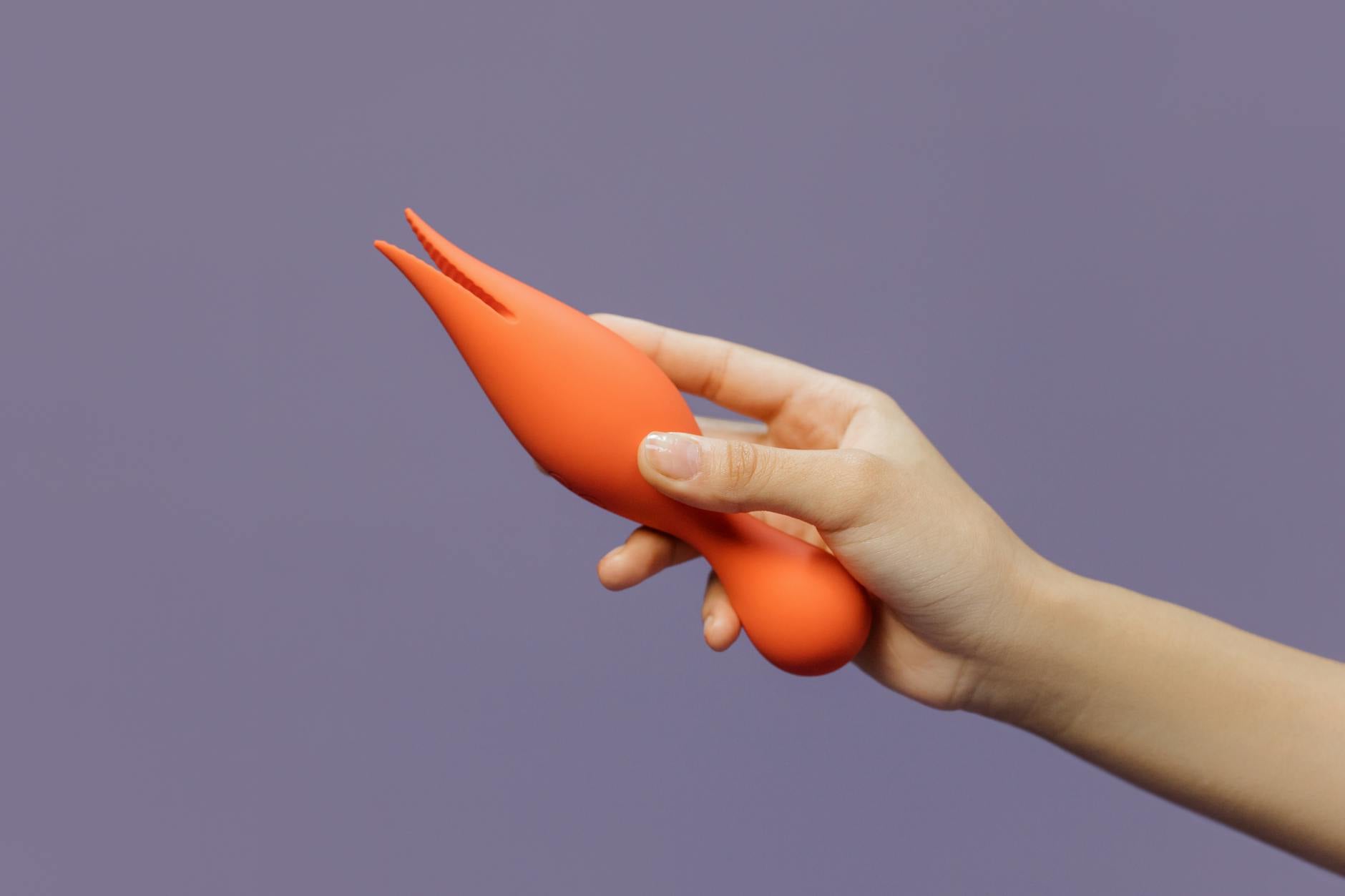
Recovery doesn't have to mean losing pleasure. Here's when it's safe to restart intimacy with a clitoral vibrator, how to rebuild slowly, and what actually helps.
After surgery, your surgeon hands you a list of restrictions. No heavy lifting for six weeks. No swimming for two weeks. No intercourse for four to eight weeks, depending on what was done. What they don't mention? Your own pleasure. The conversations around post-op recovery are weirdly silent on solo intimacy, partner intimacy, or how a device like a lemon clitoral vibrator actually fits into healing.
Here's what I know from working with couples navigating this transition: denying yourself pleasure during recovery often makes the mental side of healing harder, not easier. Reclaiming sensation gradually, safely, with tools designed for gentleness, actually speeds emotional recovery. The key is timing, communication, and understanding what your body is telling you.
This changes drastically depending on the surgery. Let me break it down:
Minor outpatient procedures (like biopsies or small cyst removal): Most surgeons clear light self-stimulation within a few days to a week. Your vulva is intact, the concern is mostly infection and not introducing anything into the vagina. A lemon vibrator used externally, starting gently, is often fine within 5-7 days as long as you're not in acute pain.
Gynecological surgery (dilation and curettage, polypectomy, fibroid removal): Wait at least two weeks for external stimulation, longer if there was cervical or internal work. Internal vibration may need to wait 4-6 weeks or until your follow-up appointment.
Pelvic floor surgery or repair (like episiotomy repair postpartum): This is the conservative end of the spectrum. The tissue is actively healing. Wait for your surgeon's explicit clearance, usually 6-8 weeks, before any internal vibration. External use with your lemon vibrator might be possible earlier if you're careful about pelvic floor tension.
Abdominal surgery (hysterectomy, ovarian surgery, appendectomy): The concern here is internal scar tissue and pressure, not the vulva itself. External clitoral stimulation is typically fine within 2-3 weeks as long as you avoid abdominal pressure. Internal use waits until full clearance, which is usually 6 weeks minimum.
The pattern: external pleasure comes back first. Internal follows weeks later. Ask your surgeon explicitly: "When can I use an external vibrator?" They may look caught off guard, but they'll usually give you a straight answer.
When you get the green light, don't jump into the intensity you used before surgery. Your nervous system has been through trauma, and hypersensitivity is common. Here's the protocol:
Week one of clearance: Gentle, no-contact exploration. Hold your lemon vibrator near your body, not touching. Notice the sound, the warmth, the vibration in the air. This isn't about reaching orgasm. It's about permission and reorientation.
Week two: Light external contact, lowest setting. Two to three minutes maximum. You might notice swelling, increased sensation, or numbness depending on your surgery type. All of it is normal. Stop if you feel sharp pain (not discomfort, pain).
Week three plus: Gradually increase duration and intensity. By week four, most people return to their baseline routine. But listen to your body. If something feels off, dial back.
Unlike traditional bullet vibrators or wands, a clitoral vibrator like the Lem uses suction and gentle pulsing rather than aggressive buzzing. This matters during recovery because the suction mimics natural arousal and stimulates without the intense friction that can irritate newly healed tissue. The pattern variability also helps your nervous system recalibrate without monotonous overstimulation.
Water-based lubricant becomes even more important post-surgery. Your body may be producing less natural lubrication due to hormonal shifts from the procedure or anesthesia. Don't skip this step.
Here's what I see most often: people exit surgery relieved that the procedure is over, then feel confused or even guilty about wanting pleasure while healing. As if prioritizing sensation somehow means they're not taking recovery seriously. That's backwards.
Sexual pleasure and emotional intimacy are part of healing. They reduce stress hormones, improve sleep, and restore a sense of agency in your own body after it's been handled and managed by medical professionals. Using your lemon vibrator or inviting partner touch isn't selfish or reckless. It's self-care.
If you're partnered, talk about this before surgery. Agree in advance that pleasure doesn't stop, it transforms. Maybe penetrative sex waits six weeks, but external intimacy, foreplay, and your partner watching you use your vibrator can happen sooner. That conversation removes ambiguity and shame later.
When you get clearance for intercourse, you're not automatically ready for high-impact activity. Many surgeries weaken pelvic floor support temporarily, which changes sensation and can make pressure uncomfortable. A clitoral vibrator remains useful here. Some couples find that external stimulation with the Lem during partnered sex takes pressure off the healing tissue and makes reconnection feel less like a test you might fail.
This is also where communication really matters. Your partner might feel anxious about hurting you. Reassure them. Tell them what feels good. Use the lemon vibrator together if it helps bridge the gap between "medically cleared" and "emotionally ready."
Not immediately. Most surgeons recommend waiting at least five to seven days to let the area settle and reduce infection risk. Your surgeon should give you a specific timeline. When you do restart, use the lowest setting and keep sessions short. If the biopsy site was internal (cervical), ask for explicit clearance before any vaginal insertion.
Completely normal. Anesthesia, trauma to nerve endings, and inflammation can change sensation for weeks. Numbness often improves gradually over four to eight weeks. Hypersensitivity might last two to three weeks. Both typically resolve on their own. If numbness persists beyond two months or sensitivity becomes painful, mention it to your surgeon.
Yes, if you're both comfortable. In fact, partner involvement during recovery can reduce anxiety and restore connection. Set boundaries together about what's off-limits (usually anything that applies pressure to the surgical site or anything internal before clearance). Start slow and watch for pain signals.
Don't be. Surgeons have heard this question before, even if you're the first one to ask them directly. They need you to heal well, which includes mental health and relationship satisfaction. A good surgeon will give you a straight answer. If yours acts weird about it, that's their limitation, not yours.
Not physically. But it can help psychologically. Pleasure reduces stress hormones like cortisol, which supports overall immune function and healing. It also restores a sense of bodily autonomy, which is huge after surgery makes you feel like your body isn't yours. That mental shift has real physiological effects.
Not necessarily. Some surgeons recommend avoiding orgasm for the first week or two because muscular contractions can slightly increase bleeding or put pressure on healing tissue. Ask yours directly. Most clear orgasm via external stimulation (no penetration) within 1-2 weeks. The pelvic floor contractions during orgasm aren't usually a concern, just monitor yourself for increased bleeding.
Recovery from surgery is a weird middle ground. You're not well, but you're not in active crisis anymore. It's easy to fall into the trap of thinking pleasure pauses until you're "back to normal." It doesn't have to. Small acts of intimacy, solo or partnered, with a clitoral vibrator designed for gentleness, actually ease the transition. They remind you that your body is still yours, still capable, still worthy of attention.
Give yourself grace. The timeline varies. Listen to your surgeon and to your own signals. And know that restoring pleasure during recovery isn't indulgent. It's part of healing.