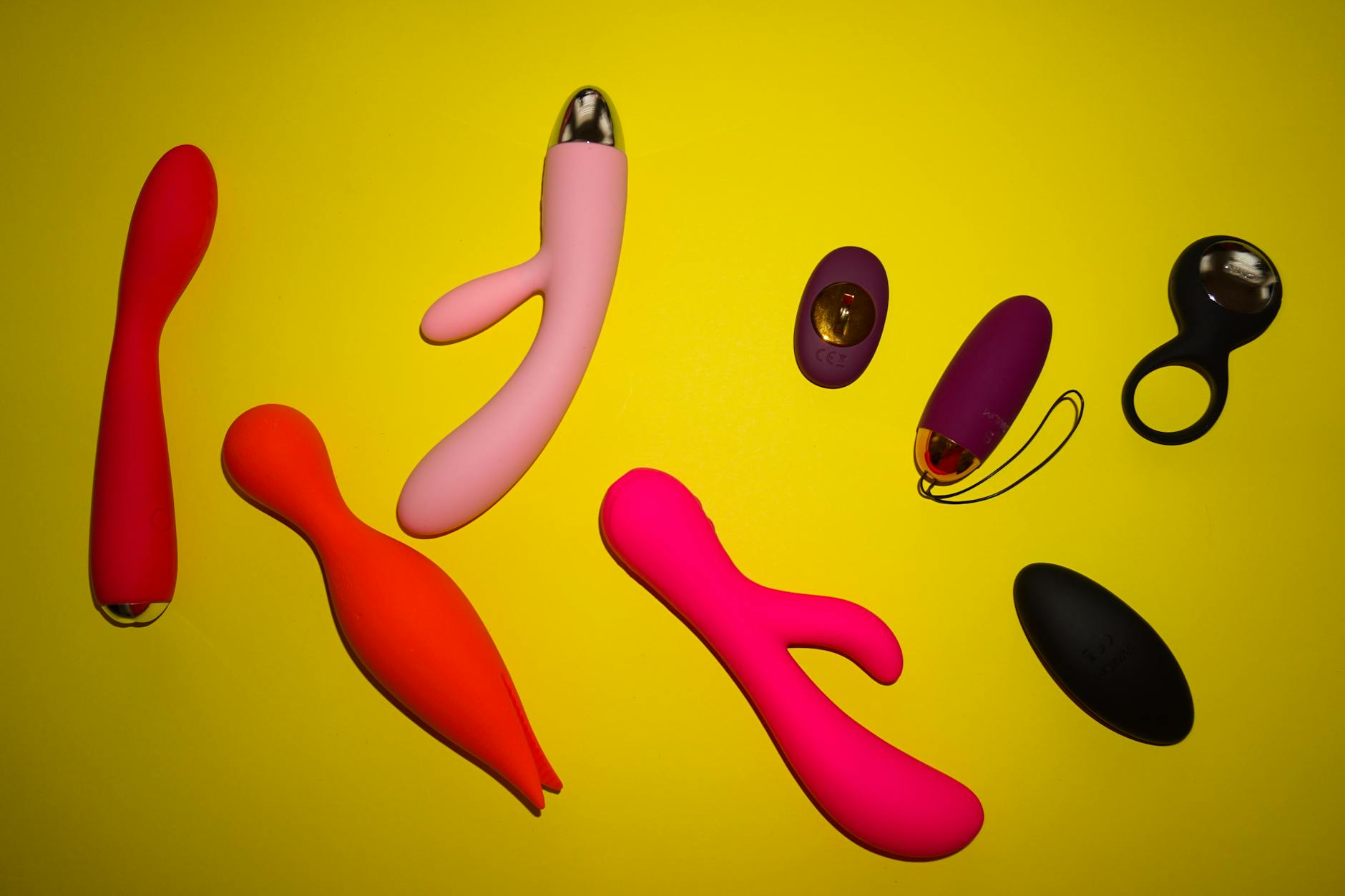
Let's talk about sensitivity shifts
Here's the thing nobody warns you about: your body's pleasure map isn't a permanent installation. It rewires. Sometimes from hormones, sometimes from stress, sometimes from aging, sometimes from medication. And when it does, the vibrator technique that worked beautifully last year might feel off, too intense, or weirdly numb this year.
Most people respond by either abandoning their clitoral vibrator entirely or just, white-knuckling through discomfort. Both approaches are terrible. What actually works is learning to meet your body where it is right now.
Why sensitivity changes in the first place
Sensitivity isn't a character flaw. It's your nervous system responding to a dozen different signals. Hormonal shifts from birth control, IUDs, or natural cycles can make tissue more or less reactive. Anxiety and chronic stress literally dampen arousal through cortisol. Blood pressure medications can reduce genital bloodflow. Even dehydration affects how your skin responds to pressure.
The lemon vibrator, with its suction-based design, is uniquely forgiving during these transitions. It's not a hammer. It's more like a gentle question your body can answer honestly. But you have to learn to ask it correctly.
Reading your new sensitivity baseline
Start here: spend one solo session exploring at the lowest setting with zero pressure to feel good or achieve anything.
Turn the lemon vibrator to pattern 1 (the most subtle) and hold it against your outer labia first, not directly on the clitoris. Notice: does it feel pleasant, uncomfortable, numb, or tingly? Does the sensation build, stay flat, or intensify uncomfortably?
Many people discover their sensitivity has shifted toward the sides of the clitoral area rather than the top. Some find that the initial 2-3 minutes feel completely absent, then suddenly wake up. Others notice that intensity matters less than rhythm. These are all data points, not failures.
Spend 10-15 minutes at pattern 1 and pattern 2 with light contact. You're not chasing an orgasm. You're mapping where pleasure lives now.
The pressure adjustment that changes everything
When sensation feels dampened, the instinct is to press harder against the lemon vibrator's opening. This actually makes it worse. Harder pressure can feel dull and exhausting.
Instead, try what I call the feather hover. Place the vibrator so the suction area barely makes contact, creating a gentle draw without firm pressure. This engages nerve endings that deeper pressure misses. It feels lighter and more responsive.
If you're experiencing hypersensitivity (where normal touch feels too intense or even painful), the opposite applies. Move the vibrator slightly away from the clitoris entirely, stimulating the hood or the area above it instead. You're looking for the edge where sensation feels pleasant rather than overwhelming.
Pattern sequencing for sensitivity changes
Most lemon vibrators offer 5-7 patterns. When sensitivity shifts, your pattern tolerance shifts too.
If you typically used pattern 5 and now find it jarring, don't abandon the device. Try working through patterns 1, 2, and 3 slowly, staying on each for 3-5 minutes. Let arousal build gradually. Often, by the time you reach pattern 4, your sensitivity has caught up and it feels right. Rushed escalation feels terrible when your body's responsive system is already confused.
When sensitivity is heightened, skip the intense patterns entirely. Patterns 1 and 2 with the feather hover technique often create more satisfying sensations than pushing toward the "stronger" settings. Your goal isn't device strength. It's neural engagement.
The warm-up time adjustment
When sensitivity changes, warm-up time always changes too.
If you used to be ready in 5 minutes and now need 15, that's not regression. That's just new information about your body. Hormonal cycles, stress, medication shifts, even season changes affect how quickly your nervous system transitions into arousal mode.
Add 5-10 minutes of non-device foreplay before introducing the lemon vibrator. Touch your body, adjust your breathing, let your mind settle into pleasure rather than performance. When you finally pick up the vibrator, your body will respond more intuitively.
When to use the lemon sucker versus other approaches
Here's what catches people off guard: sometimes a sensitivity shift means your lemon vibrator isn't the right tool right now. That doesn't mean something's broken.
If direct clitoral contact consistently feels uncomfortable or numb regardless of pattern or pressure, try extending your arousal work without the vibrator for a week. Manual touch, grinding against a pillow, even just breathing and visualization. This resets your nervous system's baseline and often restores responsiveness.
When you reintroduce the lemon clitoral vibrator after that break, many people find sensation dramatically improved. Your body needed a reset, not a push.
Medication and sensitivity: what actually matters
If your sensitivity shift coincided with starting a new medication, that's not coincidence. SSRIs, blood pressure meds, antihistamines, and even some birth controls can reduce genital sensation and arousal.
You have three options. First, talk with your prescriber about whether a dose adjustment or different timing helps. Second, extend your arousal time significantly. Third, experiment with techniques that bypass dampened nerves. For example, the lemon vibrator's suction feature engages different nerve pathways than vibration alone, which sometimes works when other stimulation doesn't.
If a medication is genuinely sabotaging your pleasure and no workaround helps, that's a real conversation to have with your doctor. Your sexual health matters in treatment decisions.
Partnered adjustments when your sensitivity changes
If you share pleasure with a partner, sensitivity shifts create communication moments.
Many couples make the mistake of treating sensitivity change as a private problem to solve alone. Instead, name it. "My body feels different with sensation right now. Let's figure out what works together." Use the lemon vibrator together in a low-pressure exploration. Your partner can hold it while you guide pressure and pattern.
This does two things. It gives your partner insight into your current pleasure map rather than making assumptions. And it creates shared problem-solving rather than secret frustration.
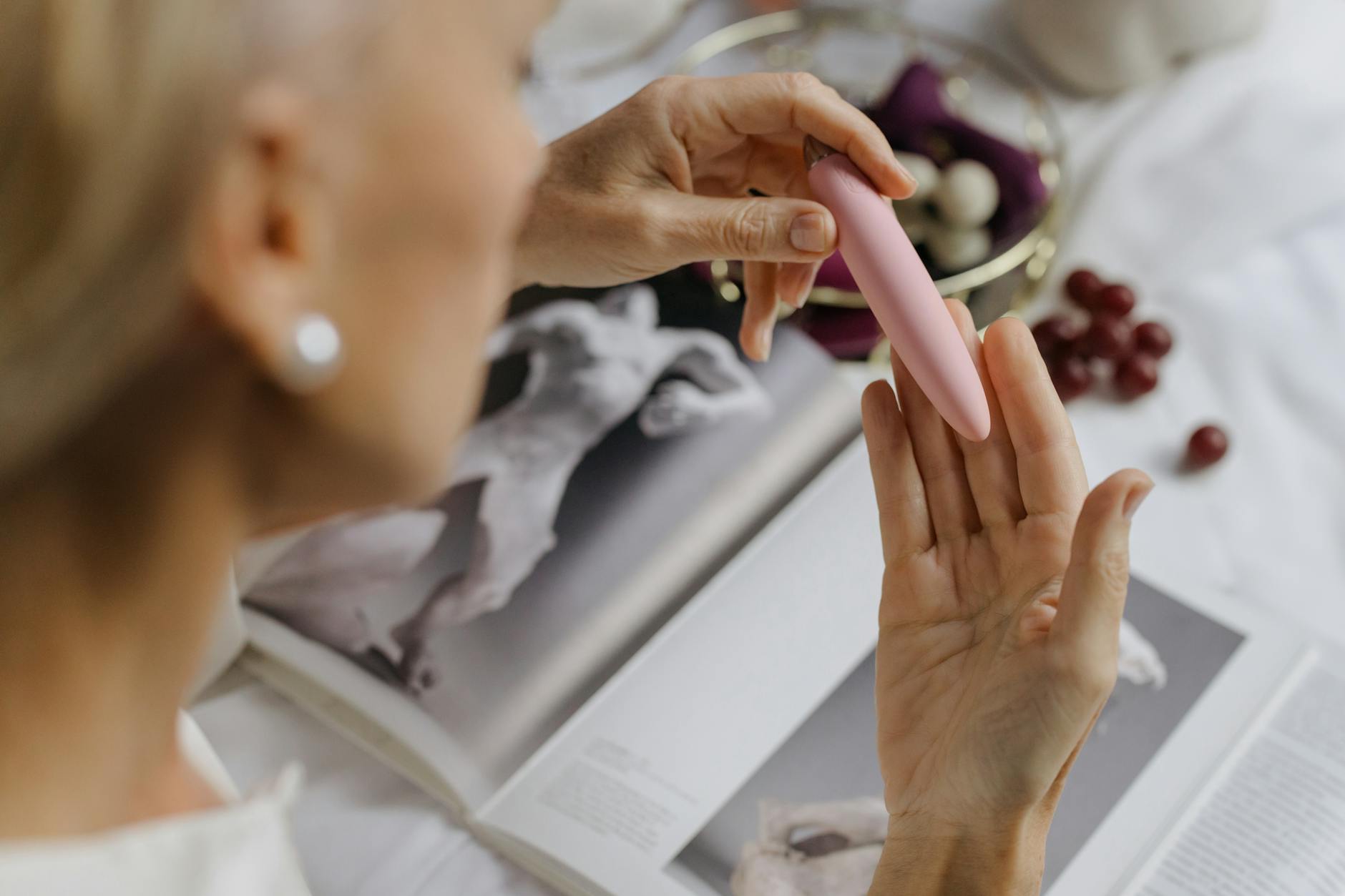
Photo by cottonbro studio on Pexels
The timeline for sensitivity recalibration
Your body will adapt. This matters because shame creeps in when sensation doesn't bounce back immediately.
If your sensitivity shift is hormonal, it typically stabilizes within 2-3 weeks as your cycle progresses or hormones settle. If it's medication-related, you're looking at 4-8 weeks as your system adjusts. Stress-related sensitivity dampening can shift within days of actual stress reduction, but also can take months of consistent practices like sleep and movement.
During the adjustment period, patience is the actual technique. Your lemon vibrator isn't the problem. Your body isn't broken. You're just in a recalibration phase.
Rebuilding confidence in your pleasure
Sensitivity shifts often trigger self-doubt. "Am I still capable of feeling good? Did something break? Will this ever normalize?"
These questions feel urgent but they're not helpful. Your clitoris doesn't have an expiration date. Your pleasure capacity doesn't shrink. You're just meeting your body where it actually is instead of where you remember it being.
Solo exploration with your lemon vibrator during these shifts is genuinely valuable. Not because you have to achieve an orgasm as proof of function, but because you're building evidence that sensation is possible, even if it looks different than before. Even subtle responsiveness is responsiveness.
You deserve pleasure that feels good right now, not an edited version of how it used to feel. That's where the real work is.
People also ask
Why does my lemon vibrator feel numb sometimes?
Numbness typically means either desensitization from overuse, a mismatch between pattern and your current sensitivity, or a broader arousal issue (stress, medication, hormonal shift). Start by taking 3-5 days completely away from the device. When you return, use pattern 1 with the feather hover technique and extend your warm-up time significantly. If numbness persists beyond a week, consider whether hormonal, medication, or stress changes coincide. Sometimes your nervous system just needs time to recalibrate.
Can you use a lemon vibrator too much and damage sensitivity?
Yes and no. The lemon clitoral vibrator itself won't physically damage tissue when used safely. But intense, frequent use can temporarily numb sensation through nervous system adaptation. If you're using your lemon vibrator multiple times daily for extended sessions, dial it back to 3-4 times per week with shorter sessions. Your sensitivity will return within days. Think of it like muscle soreness. You're not broken. You're just overworked.
How do I know if my sensitivity change is permanent or temporary?
Most sensitivity shifts are temporary. Track what changed in your life within the month before you noticed the shift. Hormonal cycle phase? New medication? High stress? Major sleep disruption? Dehydration? Address the likely cause and give it 2-4 weeks. If sensitivity stabilizes, it was temporary. If it persists beyond a month without clear external cause, talk with a doctor to rule out underlying health factors.
Should I try a different vibrator if my lemon vibrator doesn't feel good right now?
Not necessarily. The design of a lemon sucker is actually helpful during sensitivity transitions because suction activates different nerve pathways than vibration alone. Rather than switching devices, adjust your technique first. The feather hover, pattern changes, and warm-up extensions often solve the problem. If the lemon vibrator genuinely feels wrong even with technique adjustments, then explore other options. But you're usually solving a technique problem, not a device problem.
How do I talk to my partner about my sensitivity changing?
Start simple and matter-of-fact: "My body feels different with sensation right now, and I want to figure out what works." Avoid framing it as a failure or a crisis. It's not. Then actually problem-solve together. Explore with your lemon vibrator as a team. Let your partner ask what pressure, pattern, and timing feel good. This turns sensitivity change into a shared exploration rather than a private frustration.
Does anxiety actually affect sensitivity that much?
Completely. Anxiety triggers your sympathetic nervous system (fight-or-flight), which diverts blood flow away from genital tissue and dampens arousal response. Your body can't simultaneously be in a state of alertness and pleasure. If sensitivity shifts coincided with increased stress or anxiety, extending your warm-up time and creating genuine safety and space for pleasure often restores responsiveness remarkably fast. Sometimes the lemon vibrator change you need isn't device-related. It's environmental.
When sensitivity shifts, meet it with curiosity
Your pleasure isn't fixed. It's responsive. That's actually a feature, not a bug. It means you can learn it again, adapt with it, and build genuine intimacy with how your body works right now rather than how it used to work.
The lemon vibrator is designed for this kind of nuanced pleasure. Use it to explore, not to perform. Take the time your body needs. Your sensitivity will teach you something worth knowing.
If you're ready to explore this with fresh perspective, or if you have specific questions about technique and your body's signals, reach out. That's what we're here for.