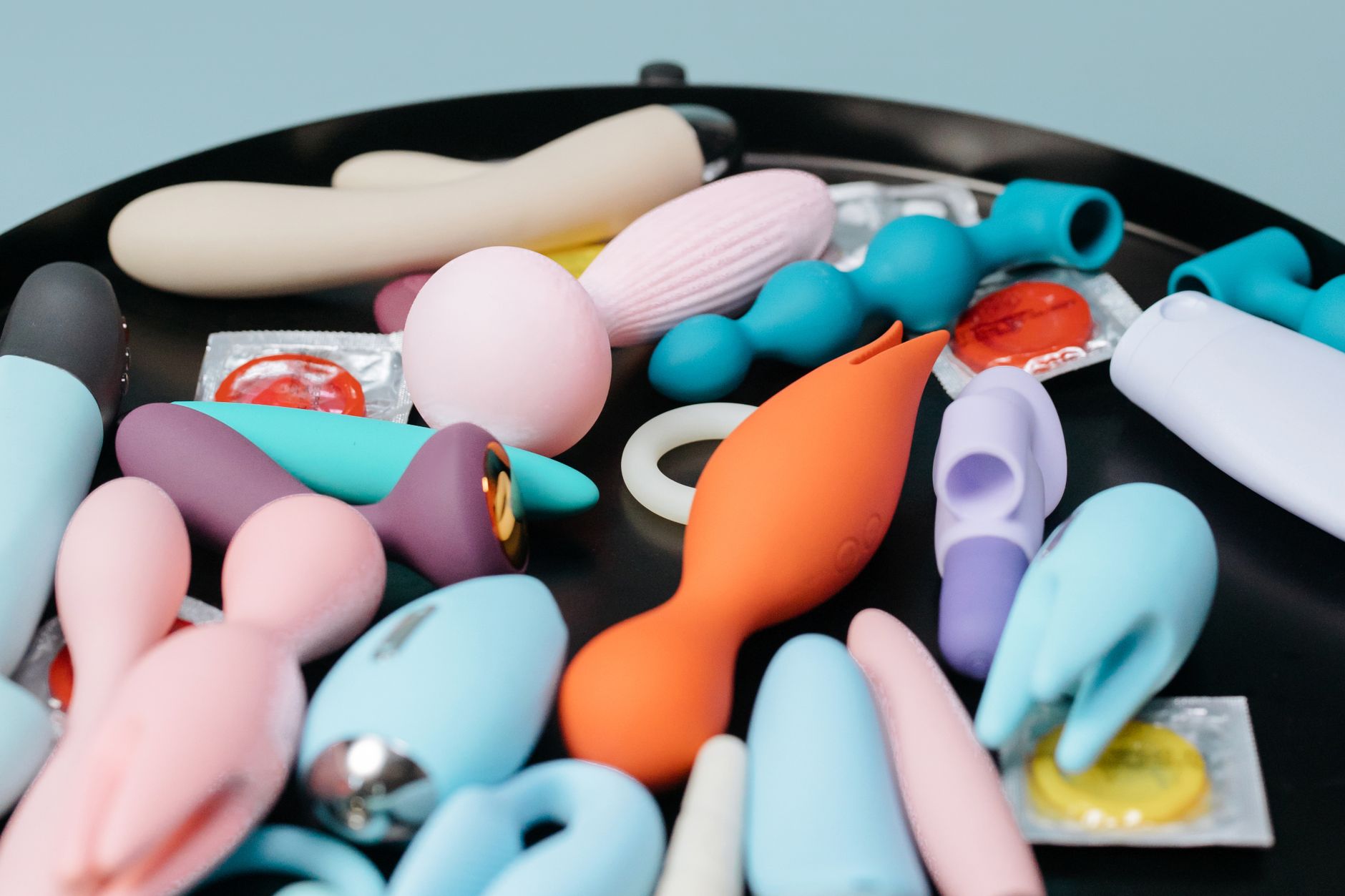
Let's name the thing nobody wants to say
Desire fades. Not because anything is wrong with you, and not because the relationship is broken. It's what happens when life gets loud. Mortgages, kids, work stress, grief, routine. After years together, the spark that used to be automatic becomes something you have to choose. And most couples don't know how to make that choice without it feeling forced or weird.
Here's what I see in my practice: couples who've lost desire almost always think the problem is them or their partner, when really it's just that they've stopped creating the conditions where desire can exist. A lemon vibrator (like the kind from Nancy Lem Shop) isn't a fix for a broken relationship. But it is a really effective way to reset the nervous system around shared pleasure and remind both partners what attraction can feel like.
Why desire dies in long-term relationships
The first year is easy. New partners trigger dopamine and novelty. After that, the brain settles. Familiarity is beautiful. It's also the enemy of spontaneous arousal.
Add in the stuff that happens in real life. One partner takes on more emotional labour. Sex becomes another task on a list. Resentment builds quietly. Touch stops happening except when sex is scheduled, which makes sex feel transactional, which kills the want to schedule it at all. It's not a cycle. It's a slow fade.
When a couple hasn't had penetrative sex in months or years, the anxiety about trying again becomes its own barrier. The pressure to perform. The shame of asking. The fear that introducing a toy means one of you is broken or the other isn't enough.
None of that is true. What's true is that your bodies have forgotten what pleasure together feels like, and you need a bridge to get back there.
Why a lemon vibrator specifically
A clitoral vibrator like a lemon sucker creates pleasure independently from intercourse. That matters because it removes the performance pressure entirely.
Most couples in this situation have been avoiding penetrative sex because someone felt pressure to orgasm or stay hard or be interested when they weren't. A lemon vibrator hands the pleasure back to the body that owns it. One partner can experience real, satisfying orgasms without waiting for the other to be ready. The watching partner gets to be present and engaged without performing.
The second reason is physiological. After months or years without active sexuality, bodies need to relearn arousal. A lemon clitoral vibrator works fast. It sends clear, consistent signals to the nervous system. Your brain starts remembering, oh right, this is what pleasure feels like. Within two or three sessions, the reluctance usually drops.
Third, it's a gesture that says something important without words: I want to figure this out with you. Not for me. Not for you. With you.
How to actually introduce it
Don't do it mid-sex when things are already awkward. Have the conversation sitting down, clothed, with tea or wine.
Start with the truth. "I miss us. I miss feeling close in that way. I don't think we're broken, but I think we've gotten stuck, and I want to unstick us." Then: "I've been reading about how couples rebuild desire when life has gotten in the way, and I found something that might help. I'd like to try it together if you're open to it."
Show them a picture of a lemon vibrator. Let them respond. Some partners will be relieved. Some will feel defensive (which usually means they're scared, not opposed). Listen to that. "I'm not saying anything is wrong with you. I'm saying I want us to remember how to play together."
Set an intention for a specific night. Not tonight. Soon, but with a little space to build anticipation. Anticipation matters way more than you think.
The first time actually using it together
Start with foreplay that doesn't involve the vibrator. Touch each other the way you used to. Kissing. Hands. Slow undressing. Give your nervous systems time to remember. This is 10, 15, even 20 minutes before the toy enters the picture.
When you're ready, introduce the lemon vibrator slowly. The receiving partner can hold it and show the other partner what feels good, or the partner can use it. Start at a low setting. The point isn't to jump straight to orgasm. The point is to wake up sensation.
If it feels awkward, pause. Talk. Laugh if you can. "This is weird, right?" Yes, it's weird. That's okay. Weird is where couples reconnect because it requires humility and playfulness.
Many couples find that the first session doesn't end in orgasm for anyone, and that's perfect. The goal is presence. The goal is remembering that pleasure is something you can access together.
The second or third time, bodies usually relax more. Sensation intensifies. Orgasms often happen, and when they do, they feel different. Deeper. Witnessed.
What happens after the first few times
Desire doesn't roar back to life on its own. But something shifts. The nervous system realizes, oh, this is safe. This is possible. This is something we can do.
Most couples who stick with using a lemon clitoral vibrator together find that they start having more sex generally. Not because the vibrator is magic, but because they've proven to themselves that they still can. That they still want to. That their bodies still work that way.
Some couples integrate the toy into their regular sex life. Some use it as a bridge and then move into other kinds of touch. The shape doesn't matter. What matters is that you've created evidence that desire is still available to you, and that takes the pressure off.
The other thing that happens: you both feel less alone with this. Many people think they're the only ones whose desire faded in a long-term relationship. They're not. Almost every couple experiences it at some point. Naming it, working on it together, and using a tool like a lemon vibrator says we're going to be honest about this and we're going to fix it. That honesty is what restores most of the desire, honestly.
Common fears and what actually happens
"My partner will think I'm not attracted to them anymore."
Tell them directly: "I want you. I want us. This is a tool to help us remember how." If you say it with honesty, they'll feel it.
"Won't it feel weird or clinical?"
Yes, at first. Then it feels like foreplay. Then it feels normal. Weird is how we grow in relationships. Lean into it.
"What if they say no?"
Then you have a different problem, which is that they're not willing to work on it at all. That's a conversation to have separately, maybe with a therapist. But most partners say yes when they hear, "I miss us and I want to fix this together."
"What if I'm the one who lost desire?"
You're both responsible for rebuilding it. Using a lemon vibrator gives you something active to do instead of passively waiting to feel attracted again. Sometimes desire returns through action, not through thinking about it.
When to bring a professional in
If you've tried this approach and nothing changes, or if one partner is actively resistant to reconnecting, couples therapy is worth it. A good therapist can help you understand why desire disappeared and whether it's about the relationship, individual stuff, or both.
Sometimes desire loss is a symptom of depression, hormone changes, medication side effects, or unresolved resentment. A lemon vibrator won't solve those. But a therapist can, and then the vibrator becomes a tool for rebuilding what was lost.
If you're in a relationship where desire faded because of a betrayal or breach of trust, rebuilding takes longer and usually requires professional support alongside the physical reconnection. Consider how lemon vibrators help couples rebuild after infidelity as one part of a bigger healing process.
The bigger picture
Desire is not a constant. It's a choice you make repeatedly throughout a relationship. Some seasons you feel it naturally. Other seasons you have to build the conditions where it can exist. A lemon vibrator doesn't fix that, but it does remind your bodies what's possible. And that reminder, shared between two people who are willing to be vulnerable together, usually changes everything.
Frequently asked questions
How long does it typically take to rebuild desire using a toy together?
Most couples notice a shift within 2-3 shared sessions. That doesn't necessarily mean desire is fully back. But the nervous system usually relaxes by then, which makes wanting sex feel possible again instead of like pressure. Full reconnection, where desire feels natural rather than intentional, often takes 4-8 weeks of regular touch and play. Be patient with yourselves.
What if my partner feels insecure about using a lemon vibrator?
Insecurity usually comes from fear that the toy means they're not enough. Address that directly and separately from the toy conversation. "I want you. That hasn't changed. This is just a tool to help us reconnect, not a replacement for you." If the insecurity runs deep, that's worth exploring together in therapy, because it often points to other relationship issues underneath.
Can a lemon clitoral vibrator replace the intimacy we've lost?
No. A toy is a tool, not a substitute for presence. The magic happens because you're using it together. Attention, vulnerability, and willingness to be silly and awkward in front of each other. Those are what rebuild desire. The vibrator just makes it easier to start.
Is it normal for one partner to want sex more than the other?
Yes, completely. Most long-term couples have a desire mismatch at some point. A lemon vibrator doesn't fix that imbalance, but it can help both partners feel more connected to their own pleasure, which sometimes naturally brings desire into more alignment. If the gap is huge, though, that's worth talking about with a therapist.
What should we do if using a toy together doesn't help?
Take it as information, not failure. It might mean the desire loss is rooted in something else: unresolved conflict, depression, hormonal changes, or relationship dissatisfaction that runs deeper. A couples therapist can help you identify what's really going on. Sometimes the issue isn't sex at all. Sometimes it's trust, or being seen, or feeling safe. Those need different tools.
How do we keep desire alive after we rebuild it?
Keep choosing each other. Keep making space for touch and play. Keep talking about what feels good. Most couples who lose desire rebuild it and then let it fade again because they stop doing the work. The work is small: weekly check-ins, regular date nights, touch that isn't leading to sex, and occasionally trying something new together. A lemon vibrator can stay part of that, or it can be a bridge to other kinds of play. Either way, consistency matters more than novelty.