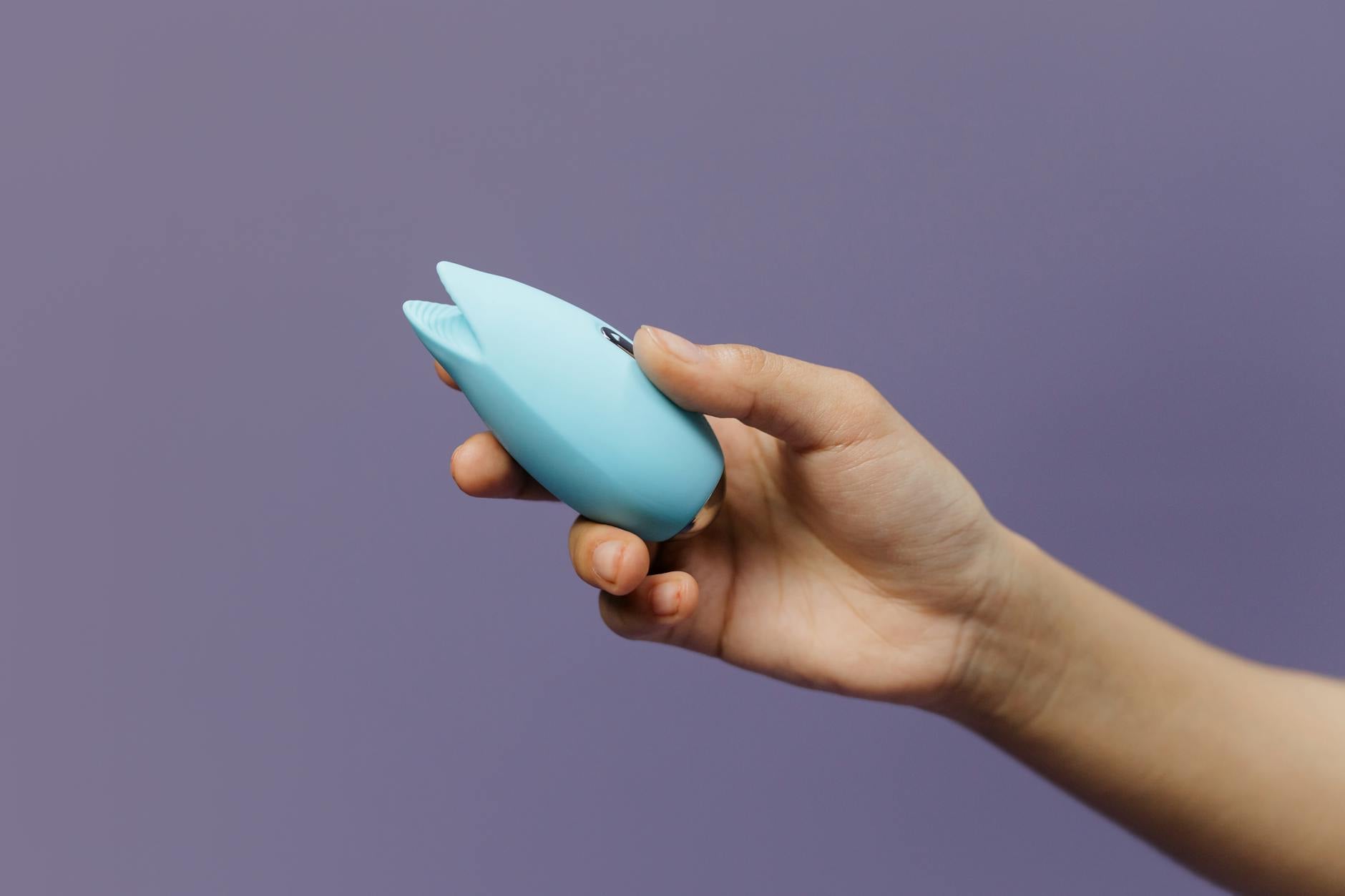
Here's the thing about sensitive skin and toys
Your skin reacts to everything. That doesn't mean you can't use a lemon vibrator. It means you need to know the difference between a material issue and a prep issue. Most people with sensitive skin assume their skin is broken. It's not. It just requires friction-reducing products, the right material choice, and a testing protocol before you dive in. That's all.
The good news: lemon vibrators are made from body-safe silicone, which triggers far fewer reactions than jelly rubber, PVC, or unverified plastics. The better news: once you understand what your skin actually reacts to, using a lemon sexual toy becomes straightforward and genuinely pleasurable.
What causes reactions to sex toys
Five things trigger sensitivity:
1. Material itself. Jelly, PVC, and TPE (thermoplastic elastomer) leach phthalates and other chemicals that irritate skin on contact. Silicone, glass, and stainless steel don't. A quality lemon vibrator uses medical-grade silicone with no filler, which is why reactions are rare.
2. Porous surfaces. Porous toys trap bacteria. Your body treats them as a foreign invader, and inflammation follows. Silicone is non-porous when made correctly.
3. Lubricant incompatibility. Oil-based lubes degrade silicone. Some people react to glycerin in water-based lubes. Silicone-based lubes feel richer but require careful toy pairing. If you use the wrong lube with a lemon vibrator, skin irritation can show up within hours.
4. Preservatives in manufacturing. Some toys are treated with antimicrobial coatings or released with manufacturing residue still on the surface. This is rare with reputable brands, but it happens.
5. Your own microbiome. Stress, hormonal shifts, and diet change your skin's pH balance. A toy that felt fine last month might sting this month if your skin chemistry has shifted.
Most reactions are actually #3 (wrong lubricant) or #5 (body chemistry shift), not the toy material itself.
Choosing a lemon vibrator for reactive skin
When you're shopping for a lemon clitoral vibrator and you have sensitivities, three details matter:
Material clarity. The listing should say "medical-grade silicone" or "platinum-cure silicone." If it says "silicone blend" or just "silicone," ask before buying. Medical-grade means it's been tested for skin safety. Platinum-cure is the premium process that produces the cleanest material.
Surface finish. Run your fingertip over the vibrator before use. It should feel smooth, almost soapy. Rough patches, raised texture, or a sticky surface suggest manufacturing residue or material degradation. A lemon vibrator should have that soft, supple finish even after weeks of use.
Sealed design. The motor housing should be completely sealed so no dust, bacteria, or motor residue contacts your skin. Open-motor designs (common in cheap toys) expose you to metal particles and lubricant breakdown products.
A quality lemon vibrator checks all three boxes. That's why it's worth the investment over a cheaper alternative that might trigger a flare.
Your pre-use protocol
Even with the right toy, prep matters. This is where most people skip steps and then blame the material.
Step 1: Wash it properly. Use warm water and a fragrance-free, gentle soap. Don't use antibacterial soaps.they strip your skin's protective barrier and can leave residue on the toy. Rinse completely. Dry with a soft cloth, not paper towels (they shed fibers).
Step 2: Spot-test the surface. Before using your lemon vibrator on sensitive areas, hold it against your inner forearm for 2-3 minutes. Your forearm skin is thin and reactive, similar to genital skin. If you see redness or feel stinging after 5 minutes, wash it off and wait 30 minutes. No reaction? Move forward.
Step 3: Choose your lubricant carefully. For sensitive skin, water-based lubes are safer than silicone-based. Avoid lubes with glycerin (a sweetener that feeds yeast and bacteria), parabens, or added fragrance. Look for simple formulas: water, cellulose, maybe vitamin E. A lemon vibrator works beautifully with minimal lube because the suction action is the primary stimulation, not friction.
Step 4: Test on the lowest setting first. Don't jump to pattern 3 or 4. Start at pattern 1. Give yourself 30 seconds to notice how your skin feels. You're checking for warmth, stinging, or unexpected tingling. If nothing feels off, you can increase intensity.
When you have a confirmed allergy
If you know you react to specific chemicals (glycerin, silicone lubricants, certain preservatives), you're actually in a better position than someone with mystery sensitivities. You can avoid the trigger and use everything else freely.
Let's say you react to glycerin. You can use a lemon vibrator without issue as long as your lubricant is glycerin-free. Brands like Coconu, Sliquid, or Hyalo make excellent glycerin-free water-based lubes. A lemon clitoral vibrator pairs beautifully with these because the suction technology requires far less lubrication than friction-based vibrators.
If you react to all silicone (rare but real), you'll need to avoid silicone-based lubes entirely. Stick to water-based. And let your toy air-dry completely rather than applying any oil-based conditioner.
Maintenance for sensitive skin
How you care for your lemon vibrator between uses matters more than most people think.
After each use, wash it with the same gentle soap and warm water. Dry it completely. Store it in a clean, dry place. Don't let it sit in a bathroom where humidity can encourage mold or bacterial growth. Some people with severe sensitivities keep their toys in a sealed container with a silica gel packet to prevent moisture accumulation.
Never use bleach, harsh cleaners, or antibacterial wipes on silicone. These strip the material and can leave chemical residue that triggers reactions later. Gentle soap and water is genuinely enough.
If you're using your lemon vibrator with a partner, they should also wash their hands before touch. Their skin carries bacteria, and if your microbiome is already inflamed, that bacteria can cause a flare. It's not paranoia. It's just biology.
Signs you're having a real reaction
This matters because sometimes what feels like an allergic reaction is just normal sensation you've never experienced before.
A real reaction: redness that doesn't fade within 30 minutes of washing, itching that intensifies over hours, swelling, a rash that spreads beyond the contact area, or pain that feels sharp rather than pressure-based. If any of these happen, wash the area immediately, stop using the toy, and see a doctor if it doesn't resolve within 24 hours.
Not a reaction: mild warmth during use, slight flushing that fades quickly after, tingling as blood flow increases (this is normal arousal), or temporary redness that disappears within 10-15 minutes. Your body needs time to adjust to new sensation. That adjustment period isn't an allergy. It's just your nervous system learning.
Building confidence with your lemon sexual toy
Most people with sensitive skin spend years avoiding toys entirely because they believe they'll react. Then they finally try a quality lemon vibrator with the right prep protocol, and nothing happens. No reaction. Just pleasure.
That shift is huge. You're not broken. Your skin isn't sabotaging you. You just needed the right information and the right tool. A lemon vibrator, used thoughtfully, is genuinely one of the safest toys you can choose because the material is so well-tested and the design is so considered.
You deserve pleasure without worry. That's not a luxury. That's your baseline.
FAQ: Sensitive skin and lemon vibrators
What's the difference between silicone and medical-grade silicone?
All silicone isn't created equal. Standard silicone can contain fillers and additives that trigger skin reactions. Medical-grade silicone is pharmaceutical-tested and free of those additives. It costs more to produce, which is why it's used in pacemakers and joint replacements. Look for this designation when shopping for a lemon vibrator if you have sensitivities.
Can I use silicone-based lube with my lemon vibrator?
Yes, but with a catch. Silicone-based lubes feel luxurious but they degrade silicone toys over time. If you use silicone lube, wipe your toy thoroughly after each use and let it air-dry completely. Water-based lubes are safer long-term. Since a lemon clitoral vibrator uses suction rather than friction, you need less lube anyway, so switching to water-based is usually painless.
How do I know if my reaction is an allergy or just normal sensation?
Normal sensation from a lemon vibrator feels like pressure, warmth, or tingling that's present during use and fades quickly afterward. An allergic reaction persists and intensifies after you stop using the toy. It also typically involves visible changes.redness, swelling, or a rash. If you're unsure, wash the area, wait 15 minutes, and assess. If it's gone, it was normal. If it's getting worse, that's a reaction.
Is hypoallergenic the same as body-safe?
No. Hypoallergenic means less likely to trigger an allergic reaction, but it's not a guarantee. Body-safe means the material has been tested and approved for skin contact. A toy can be body-safe but still trigger a reaction in someone with specific sensitivities (like an allergy to a particular preservative). Always check both the material and the ingredients in any lubricant you pair with your lemon sexual toy.
What should I do if I have a reaction after using my lemon vibrator?
Wash the area immediately with cool water and fragrance-free soap. Pat dry gently. Avoid touching it for at least an hour. Apply a fragrance-free moisturizer if your skin feels dry. If redness or itching lasts more than 24 hours, or if swelling develops, see a dermatologist. In the meantime, stop using the toy and identify what might have triggered it. Was it a new lubricant? Did you skip the washing step? Was your skin already inflamed from something else? Narrowing down the cause helps you avoid the same reaction next time.
Can I use my lemon vibrator if I'm pregnant or nursing?
Body-safe silicone toys are generally safe during pregnancy and while nursing. Your skin might be more sensitive during this time (hormonal shifts change your microbiome), so follow the pre-use protocol even more carefully. If you develop any unexpected reactions, talk to your OB-GYN. They can help you determine whether it's pregnancy-related skin sensitivity or a true allergy. How to Use a Lemon Vibrator When Your Partner Doesn't Want Involvement has additional tips on communication and comfort during intimate changes.
The bottom line
Sensitive skin doesn't disqualify you from pleasure. It just means you need to be intentional about material, preparation, and maintenance. A lemon clitoral vibrator is one of the safest choices you can make because the silicone is rigorously tested and the design minimizes friction and irritation. Once you establish your pre-use protocol, using a lemon vibrator becomes automatic and genuinely risk-free.
Your body's sensitivity isn't a limitation. It's feedback. Listen to it, honor it, and build a practice around it. That's how you get to pleasure without the aftermath worry.