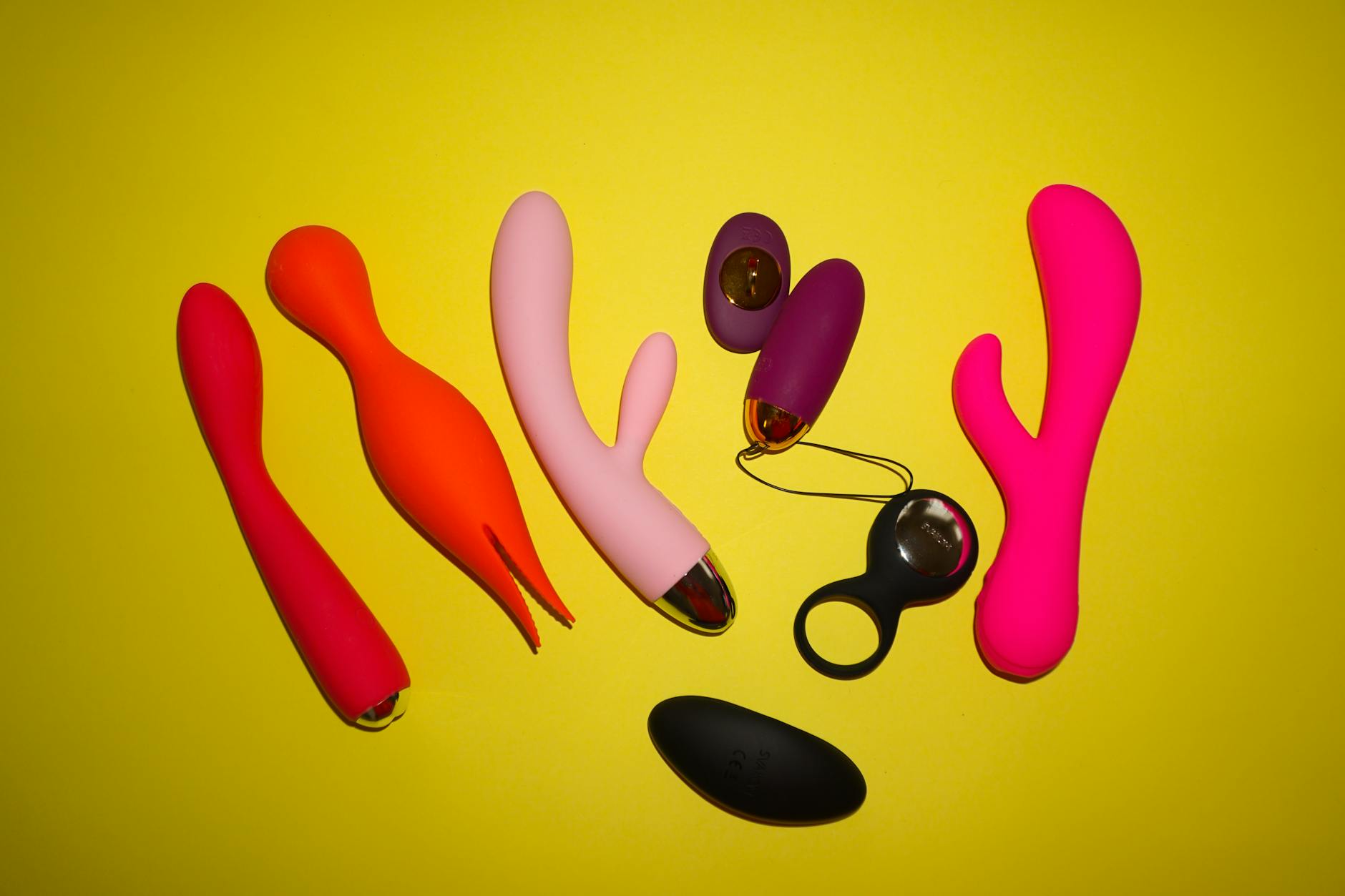
Let's talk about what pain does to pleasure
If you've experienced pain during sex, your body has done exactly what it's supposed to do. It has learned to protect you. The problem is that protection doesn't turn off when the pain ends. Your nervous system stays on alert, bracing against sensation that might hurt again. This isn't a psychological problem. It's a neurological one.
Reclaiming pleasure after painful sex means slowly, deliberately teaching your nervous system that touch can feel good. A lemon clitoral vibrator is one of the gentlest, most controlled ways to do that.
Why pain changes how your clitoris feels
Your clitoris is packed with nerve endings. When those nerves have transmitted pain signals, the entire sensory pathway gets recalibrated. Touch that used to feel pleasurable might now feel overwhelming or numb. Some people describe it as if someone turned down the volume on sensation. Others say everything feels too loud. Both experiences are normal after pain.
The suction-based stimulation from a lemon vibrator works differently than direct vibration. Instead of intense oscillation, suction creates a gentler, wave-like pressure that recruits sensation without triggering that protective response. It's why many people recovering from painful sex report that the Lem vibrator feels less threatening than other devices.
The key is that you control the pattern and intensity. You're not being stimulated. You're exploring your own sensation at your own pace.
Starting so small it almost doesn't count
Here's what I recommend to clients rebuilding clitoral confidence.
Start with the Lem vibrator on pattern 1. Yes, pattern 1. Don't skip ahead because the sensation feels too subtle. That subtlety is the entire point. You're looking for the lowest intensity that you can actually feel, not the lowest intensity that feels enjoyable yet.
Apply it for 30 seconds. Then stop. Don't try to build toward orgasm. There's no goal here except noticing what sensation you can access without fear.
Rest for a few minutes. Your nervous system needs a reset between stimulation.
Then try again, maybe moving to a slightly different area of the clitoris, or trying pattern 2 if pattern 1 felt too faint to notice.
The entire session should be 5-10 minutes. Longer sessions can feel overwhelming when you're re-teaching your body to trust touch.
The mental part matters as much as the physical part
Your brain and your clitoris are connected. That's not poetic. It's neurological. When you approach solo exploration after painful sex, your brain might keep waiting for pain to arrive. This is called "fear-based guarding." It's protective, but it also prevents sensation.
One way to interrupt that loop is to narrate what you're noticing while you're using the vibrator. Not in a sexy way. Clinical is actually better. "I feel pressure on the left side," or "That pattern feels warmer than the last one," or "I'm holding my breath." Narration pulls you out of the fear anticipation and into present-moment observation.
If you find yourself tensing up, stop. Tensing is your nervous system saying "I'm not ready yet." Honor that. There's no timeline for this.
When you're ready, you might explore with a partner in the room but not touching. Some people find that having a trusted person nearby, without any performance expectation, helps the nervous system feel safer. Others need to rebuild alone first. Both are correct.
Lubrication becomes important, but differently
After painful sex, some people's bodies produce less lubrication as a protective mechanism. Dryness can trigger the same pain memory even if the physical cause is different.
Use a water-based lubricant generously. Not because you're broken, but because removing any friction barrier helps your nervous system stay calm. The suction from a lemon clitoral vibrator is gentler than internal penetration, but lubrication still makes a difference in how comfortable and pleasurable the sensation feels.
Reapply as needed during your session.
When sensation starts returning, don't rush it
At some point, maybe after a few sessions, you might notice that sensation is becoming more distinct. You might feel a tingling, or warmth, or even a faint pleasure response. This is your nervous system deciding that this touch is safe.
Don't immediately try to push toward orgasm. Let sensation build at its own pace over multiple sessions. Some people find that orgasms return quickly. Others take weeks or months. The timing doesn't matter. What matters is that you're moving from fear-based protection back toward pleasure-based engagement.
If you hit a plateau where sensation isn't deepening, that's normal too. Your nervous system might need more time, or you might benefit from working with a trauma-informed sex therapist. Pain during sex can sometimes have roots in trauma that deserve professional support.
Building confidence through repetition
Each session is a small piece of evidence that your body can feel pleasure safely. You're literally retraining your nervous system through gentle, repeated exposure to positive sensation.
After a few weeks of regular use, many people report that not only does clitoral sensation return, but they feel more ownership over their body. They remember that pleasure is possible for them. That's the real win.
Consider keeping a simple note about what you tried, how it felt, and what intensity level you used. Not to track "progress" but to remind yourself that you're building on something. When the nervous system is in protection mode, it's easy to forget that progress is happening.
When to reach out for support
If pain during sex was caused by a specific medical issue, check in with your GP or a pelvic health specialist before starting this process. Conditions like endometriosis, vaginismus, or pelvic floor dysfunction might need treatment alongside pleasure-rebuilding.
If the pain was related to trauma or assault, a trauma-informed therapist can help you process that in parallel with exploring sensation again. Healing isn't linear, and you don't have to do it alone.
Hello Nancy is here to support your journey back to pleasure. That might mean using a lemon vibrator at your own pace, or it might mean getting professional help first, or both. What matters is that you're moving toward reclaiming your body.
Frequently asked questions
How long does it take to rebuild clitoral sensation after painful sex?
There's no standard timeline. Some people notice changes in sensation within a few sessions. Others take several weeks. Pain-related guarding varies based on how long you experienced pain, what caused it, and your overall nervous system sensitivity. The key is consistency and patience. Rebuilding trust takes time, and that's not a sign something is wrong.
Can I use a lemon vibrator if penetration still feels painful?
Yes. In fact, that's one of the best reasons to start with external clitoral stimulation first. A lemon clitoral vibrator gives you sensation and pleasure without any internal penetration. You can rebuild confidence with your clitoris while you separately work on addressing whatever is causing penetrative pain. Many people find that reclaiming clitoral pleasure actually helps the rest of the body relax into healing.
Is it normal to feel numb when I first use the vibrator after painful sex?
Completely normal. Numbness is often a protective response. Your nervous system is saying "I'm not sure this is safe yet." Keep using the vibrator at low intensities, and over time, sensation typically returns. If numbness persists for several weeks despite regular use, check in with a pelvic health specialist or sex therapist, as it might indicate something else worth addressing.
Should I use lube with a lemon sucker vibrator?
Yes, water-based lubricant is recommended. The suction-based design of the Lem vibrator works with or without it, but lubrication reduces any friction and makes the sensation feel smoother. This can help your nervous system stay calm during the rebuilding process. Reapply as needed.
Can my partner help me rebuild pleasure with a lemon vibrator?
Sometimes. The most helpful partner role is usually "supportive presence" rather than "active participant" while you're rebuilding. Having your partner hold the vibrator means you're not in control of intensity and pacing, which can actually trigger more nervousness. Once your nervous system has calmed down and sensation is returning, partner participation might feel good. But in the early stages, solo exploration typically feels safer.
What if I still feel scared when I reach for the vibrator?
That's your nervous system asking for more time or more support. You don't have to push through it. Consider working with a sex therapist who specializes in pain-related trauma. They can help you build a safe framework for reconnecting with pleasure. Healing doesn't happen through willpower. It happens through creating genuine safety, and sometimes that takes professional help.
Moving forward
Reclaiming pleasure after painful sex isn't about forcing yourself back into sensation. It's about slowly, deliberately, gently teaching your nervous system that your body can feel safe again. A lemon vibrator is a tool for that conversation. And that conversation is worth having.