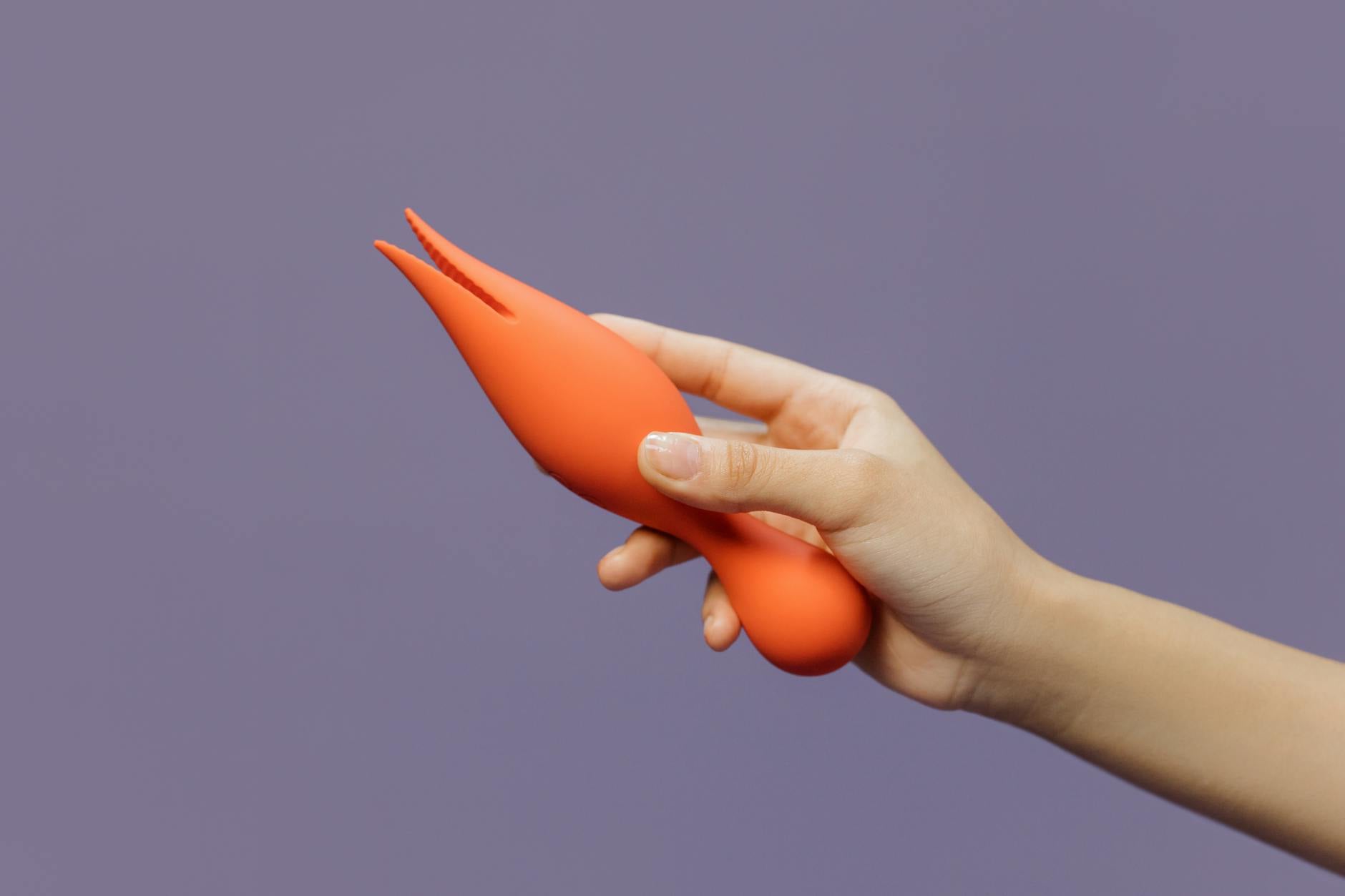
When sensitive becomes too sensitive
Let's be real: sometimes the thing that felt amazing last week now feels like electric shocks. Your clitoris has become hypersensitive, and touching it directly triggers a wince instead of a moan. This isn't damage. It's not permanent. But it's also not something you should just power through with your usual routine.
Hypersensitivity after intense or repeated stimulation is weirdly common and almost never discussed, which means most people assume they've broken something. They haven't. What's happened is your nerve endings are temporarily overstimulated, similar to how your skin feels raw after a sunburn. The sensation is heightened, but the threshold for pleasure has gotten lower. This is where a lemon vibrator, specifically one with air-suction technology, becomes your secret weapon.
Why hypersensitivity happens
Your clitoris has roughly 8,000 nerve endings packed into a space smaller than a pea. After intense orgasms, frequent stimulation, or even extended arousal, those nerves can become temporarily inflamed. The tissue swells slightly, and normal touch registers as too much sensation. This commonly happens after multiple orgasms in a short window, after trying a new type of stimulation, or during certain phases of your cycle when sensitivity naturally spikes.
Some people also experience rebound hypersensitivity after using numbing products or after a period of no stimulation at all. The nerves essentially wake up overactive, like someone who's been asleep for hours and suddenly finds all sounds too loud.
The good news: it resolves on its own within 24 to 72 hours in most cases. But you don't have to abstain completely. You just need to recalibrate.
The lemon vibrator advantage for sensitive tissue
A lemon clitoral vibrator using air-suction technology works differently than traditional vibration. Instead of direct friction or pressure, it uses gentle pulsing waves of suction to stimulate. This matters enormously when you're hypersensitive because it distributes sensation across a wider area rather than concentrating it on one point.
Think of it like the difference between someone pressing their finger directly on a bruise versus gently cupping the area around it. The sensation is still there, still pleasurable, but it's diffuse rather than sharp. For a hypersensitive clitoris, this is the gold standard approach.
The practical recalibration plan
If you've got a lemon vibrator and your clitoris has become too sensitive to touch directly, here's what actually works.
Start with indirect stimulation. Place the lemon against your labia rather than directly on the clitoral glans. The sensation will transmit through the tissue without the overwhelming intensity of direct contact. This gives you 70% of the pleasure with 10% of the discomfort.
Use the lowest settings first. Most lemon vibrators have multiple intensity levels. Start at level 1 and stay there for the first session or two. Your brain doesn't need intensity to experience pleasure when you're sensitive. Lower settings often feel more nuanced anyway.
Add a barrier. Put a thin piece of fabric between the vibrator and your skin. Cotton underwear, a silk scarf, or even a soft cloth works. This softens the stimulation without killing sensation entirely.
Extend your warm-up time. Spend 10 to 15 minutes in gentle foreplay or arousal building before using the lemon vibrator at all. This allows your clitoris to gradually acclimate rather than experiencing a sudden jolt. Arousal itself is numbing to some degree, which helps.
Take breaks between sessions. If you want to use the vibrator multiple times in a day or over consecutive days, space it out by at least 12 hours. This gives your nerve endings time to reset.
When to pause completely
If stimulation causes sharp pain rather than just sensitivity, or if you see any redness, swelling, or discharge, pause the vibrator entirely and let things settle for a few days. This is your body signaling it needs genuine rest.
Similarly, if hypersensitivity comes on suddenly and unexpectedly without a clear cause (like intense stimulation the day before), it could signal something else. Hormonal shifts, an infection, or inflammation from another source might be at play. Check in with your doctor if it persists beyond a week or if it's accompanied by other symptoms.
The mental side matters as much as the physical
Hypersensitivity often triggers anxiety. You worry you've damaged yourself. You get nervous approaching pleasure the same way. You start protecting your clitoris instead of exploring it. This protective instinct is natural and kind of useful, but if it turns into avoidance, it can extend the recovery period.
Here's what helps: remind yourself that sensitivity is temporary and recalibrating is normal. Many people experience this multiple times in their lives and move through it fine. Your clitoris is resilient. It's not fragile. It just needs a gentler approach for a moment.
Building back to full sensation
As the hypersensitivity fades over a few days, you'll notice you can handle slightly more intensity. Test this gradually. Move from indirect to direct contact when it feels right. Bump up the intensity setting by one level. Reduce the fabric barrier. Trust your body's signals here. There's no timeline you need to hit.
Most people find that after three to five days of adjusted stimulation, they're back to baseline. Some find their sensitivity actually peaks during recovery, making for incredibly intense sessions once they push past the discomfort threshold. This varies wildly person to person.
One thing I consistently hear from people who've navigated hypersensitivity: they appreciate their pleasure more afterward. When you've had to slow down and pay attention, you notice details you might have missed at full speed. That's not something you have to feel. But it's something that happens sometimes.
FAQ: Hypersensitivity and lemon vibrators
Q: Can I use my lemon vibrator if my clitoris is hypersensitive? A: Yes, but with modifications. Use indirect stimulation, lowest settings, and barriers like thin fabric. The air-suction technology is actually ideal for sensitivity because it's gentler than traditional vibration.
Q: How long does hypersensitivity last? A: Usually 24 to 72 hours. Some people experience it longer depending on what triggered it. Adjusting your stimulation approach can help you manage it while it resolves.
Q: Is hypersensitivity a sign I've damaged my clitoris? A: No. Hypersensitivity is inflammation and temporary nerve overload, not injury. Your clitoris is designed to handle significant stimulation. Sensitivity is a sign of how responsive your body is, not fragility.
Q: Should I avoid orgasms while hypersensitive? A: Not necessarily. But they may feel different. Some people find that a gentle, slow orgasm actually helps reset the system. Others need to pause completely. Listen to your body, not a timeline.
Q: Can I get hypersensitivity from my lemon clitoral vibrator? A: You can get it from any source of repeated intense stimulation, including a lemon vibrator. That's not a flaw in the vibrator. It's just your nervous system responding to sustained input. It's manageable and temporary.
Q: Do I need to see a doctor if my clitoris is hypersensitive? A: If it lasts longer than a week, or if it comes with pain, discharge, or visible swelling, yes. But brief hypersensitivity after intense stimulation is normal and doesn't require medical attention.
The bigger picture
Hypersensitivity teaches you something valuable about your body: it responds. It signals. It changes. Instead of something to fix urgently, you can think of it as useful information. Your nervous system is saying it needs a different approach right now. That's good data.
The lemon vibrator is genuinely your friend here because its design gives you options. You're not locked into one mode. You can scale intensity, shift placement, add barriers, and adjust your pacing. That flexibility is what makes it work when your body is in a temporary heightened state.
Pause when you need to. Adjust without shame. Your pleasure will be waiting on the other side of sensitivity, and it'll feel even better once you've learned to listen to what your body needs.