Let's be real about stress and desire
Your libido didn't leave. Stress just locked the door to it. When you're managing a crisis at work, navigating family tension, or rebuilding after conflict with your partner, your nervous system goes into threat mode. Arousal requires the opposite. It requires your body to feel safe enough to soften, to relax, to pay attention to pleasure. Stress makes that impossible.
Here's what I see in couples therapy: partners blame themselves for "not being attracted anymore" when the actual problem is that their bodies are still in fight-or-flight mode. Once you understand that, everything shifts.
How stress actually kills desire
It's not psychological weakness. It's neurobiology. When you're stressed, your cortisol stays elevated. Elevated cortisol suppresses testosterone production, which drives desire in all bodies. Your parasympathetic nervous system (the one that says "relax, explore, connect") gets overridden by your sympathetic nervous system (the one that says "survive, produce, endure"). Your body prioritizes survival over pleasure.
Add this to it: when you're stressed, you're hypervigilant. You notice every small annoyance from your partner. A comment that would normally roll off you lands differently. You interpret tone harshly. You pull away. Your partner does the same. Suddenly you're not touching, not joking, not connecting. The physical intimacy gap widens. And the wider it gets, the harder it is to restart.
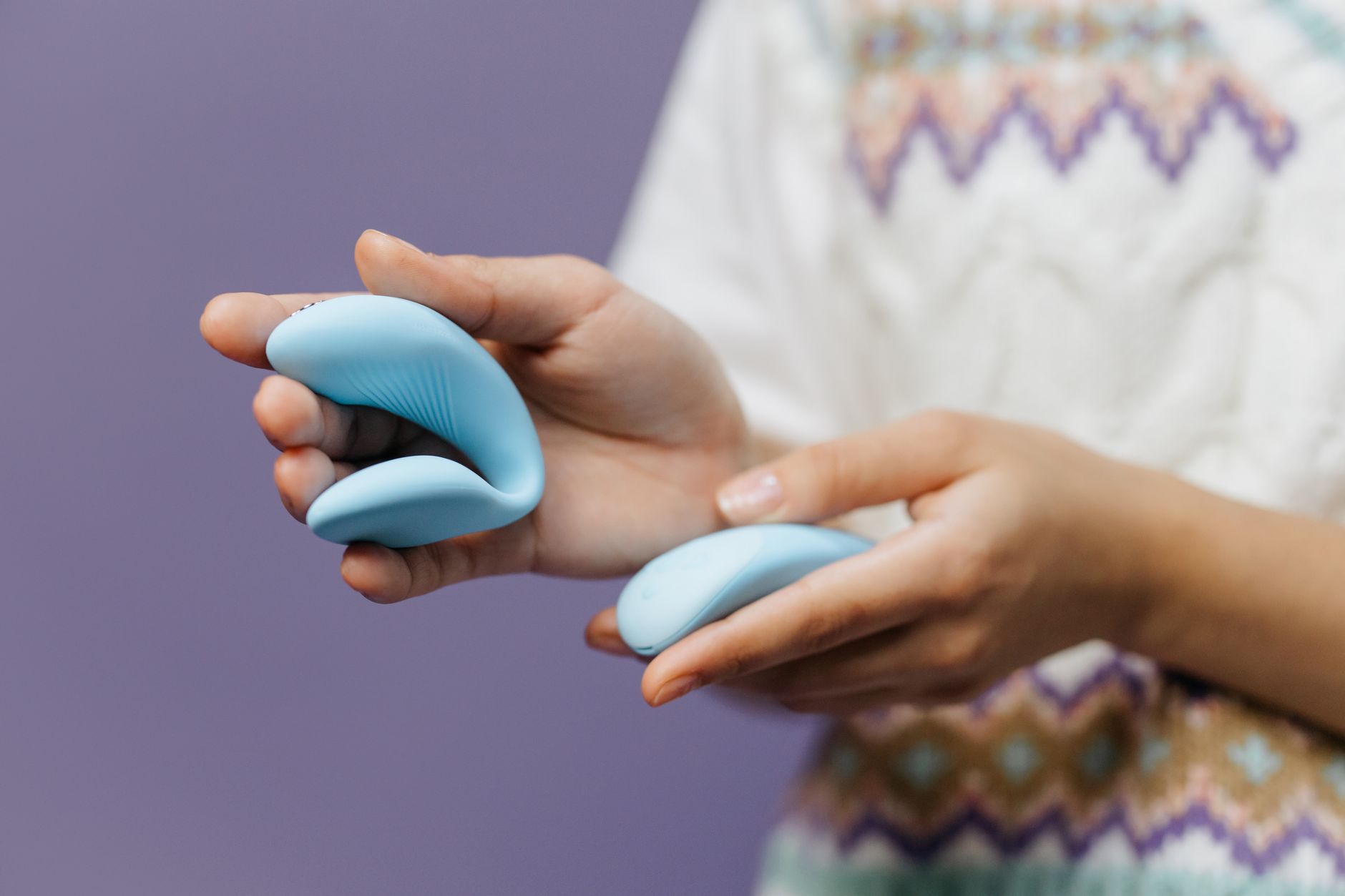
A lemon clitoral vibrator like the Lem can actually interrupt this cycle. Not by magic, but by doing something specific: it creates a container for pleasure that doesn't require your partner to be perfect or for the relationship to be "fixed" first.
Why a lemon vibrator works when stress is high
Three reasons:
1. It's not dependent on your partner's performance. When stress is high, one or both of you might feel pressure to "perform" sexually to reconnect. A lemon sucker vibrator removes that pressure. You can explore your own arousal without the weight of making it work for both of you right now.
2. It requires less cognitive load. Stress fills your working memory with worry, tasks, and conflict. The lemon vibrator's simple, rhythmic suction lets you drop into sensation without thinking. Your nervous system downregulates naturally.
3. It rebuilds trust in pleasure itself. After months of no desire, your body forgets what arousal feels like. A clitoral vibrator reintroduces that safely, solo first, then potentially with your partner.
I recommend starting alone. Solo exploration isn't avoidance. It's rebuilding the foundation.
How to use a lemon clitoral vibrator solo when stress has killed your libido
Start with no expectation of climax. This is crucial. You're not trying to have an orgasm. You're trying to remember what arousal feels like. Set a timer for 10 minutes. Commit to that, nothing more.
Pick a time when stress is lowest. Not when you're about to go into a meeting or right before bed when your anxiety spikes. Pick a window where your nervous system is genuinely calmer. For many people, that's a weekend morning or after a walk.
Use the lower settings first. The Lem has multiple intensity levels. Start at 1 or 2. You want to feel something, not overwhelm yourself. If stress has numbed you, the reflex is to turn it up higher. Resist that. Let sensation rebuild gradually.
Touch yourself first, before the vibrator. Spend 2 minutes just feeling your own skin. Your neck, your chest, your inner thighs. Your body needs to remember that touch is safe before the vibrator adds stimulation.
Use lubricant generously. Stress reduces natural lubrication. A water-based lube means the vibrator glides smoothly, requires less pressure, and feels way more pleasurable. Your nervous system is already taxed. Don't add friction discomfort to that.
Stop if you feel anxious. This is the key. If during exploration you notice anxiety creeping in, thoughts about work, or tension in your jaw, stop. Five minutes of genuine relaxation is better than 15 minutes of faking it. You're retraining your nervous system to associate genital touch with safety. That only works if you stop the moment it feels unsafe.
Bringing a lemon vibrator into partnered reconnection
Once you've spent 2-3 solo sessions rebuilding that arousal pathway, consider inviting your partner. But set the frame clearly first.
Say something like: "I want to reconnect with you, but I'm still stressed and my body's struggling. I'd like to explore using a vibrator together, but I'm not ready for full sex yet. Can we just touch and play without that pressure?"
Notice what's there: you're naming the stress directly, you're being vulnerable, and you're giving your partner a clear "what not to do" (don't push toward penetration yet). Most partners find this deeply reassuring. It removes the guesswork.
Then:
Start clothed. You might lie together, your partner can touch your arms or your back while you hold the lemon vibrator. You're fully in control. This matters when you're rebuilding trust.
Go slow with undressing. Let it unfold naturally. There's no rush. If at any point you feel rushed, you can say that. "Can we slow down?" is not a rejection. Your partner can hear it as clarity.
Let your partner watch, if that feels right. Many couples find this incredibly connecting. Your partner gets to see what brings you pleasure. You get to feel seen while experiencing pleasure. It rebuilds safety.
Use the vibrator, not your partner, for direct clitoral stimulation. After stress has tanked your libido, direct manual stimulation from a partner can feel like pressure. The lemon clitoral vibrator's suction pattern is consistent and doesn't require you to guide them. You can relax into sensation.
The conversation you need to have first
Before any of this, talk to your partner about what stress is actually blocking. Sometimes libido drops because of unresolved conflict. Sometimes it's work pressure or family stuff that has nothing to do with the relationship. Your partner needs to know which one it is.
Say: "My libido tanked because of [stress source], not because I'm not attracted to you." This matters. Without this clarity, your partner internalizes the low desire as rejection of them. They may pull away further. You spiral.
If the stress is relationship-related, you might need a therapist before a vibrator. A lemon sucker vibrator can't fix "we've been unkind to each other for six months." That needs real repair work first. But for stress that's external, for the nervous system shutdown that comes from work chaos or family crisis or just chronic tension, a lemon vibrator can absolutely help you find your way back to each other.
When to know this approach is working
You'll notice arousal returning in small ways first. A moment where your partner makes you laugh and you feel a flutter of desire. A solo session where 10 minutes in, you're not thinking about your to-do list. Your body initiating touch again. These are the signs your nervous system is downregulating, your cortisol is normalizing, and pleasure is coming back online.
That's when you know the cycle is breaking. That's when you can potentially move toward partnered sex again. But there's no timeline. Some couples need two weeks of this reset. Some need two months. Stress doesn't evict itself on schedule.
The lemon clitoral vibrator isn't a fix for your relationship or your stress. It's a tool that lets you reconnect with your body's capacity for pleasure while everything else is still messy. And sometimes, rebuilding that capacity is exactly what lets the rest unfold.
FAQ: Libido, Stress, and Lemon Vibrators
How long does it usually take for libido to come back after relationship stress?
It depends on the stressor. If stress is acute (a crisis at work that resolves), desire can return within 2-4 weeks of the stress lifting. If stress is chronic, recovery takes longer because your nervous system is still on alert. Some couples find that actively reconnecting with pleasure tools like a lemon vibrator accelerates the recovery. Solo exploration typically takes 2-3 weeks before it feels natural and less "forced."
Can using a vibrator alone make my partner feel replaced or rejected?
Not if you communicate. If your partner finds out you're using a lemon vibrator and you haven't explained why, yes, they might feel hurt or confused. But if you say upfront, "I need to remember what pleasure feels like solo because stress has shut me down," most partners understand. Frame it as rebuilding, not as a substitute for them.
Should we use a vibrator together before we've resolved the stress?
It depends on whether the stress is the relationship itself or something external. If you're stressed because of ongoing conflict, you need to address that directly first. A lemon clitoral vibrator won't heal resentment. But if the stress is work, family, health, or another external factor, using a vibrator together can actually help you reconnect while you're managing the external stress.
What if I use the vibrator and still feel no arousal?
Stop and check in with yourself. Is the stress still too high? Are you in a safe space? Do you feel rushed or observed in a way that makes you uncomfortable? If you're alone and still feeling nothing after several attempts, that might be a sign that the stress is deeper or that you need professional support. A therapist or doctor can help rule out other causes.
Is it normal for stress to kill libido this completely?
Completely normal. Stress is one of the most common libido killers in long-term relationships. Your body doesn't distinguish between "I have a deadline" and "I'm in danger." Both trigger the same nervous system response. That response prioritizes survival over pleasure. Once you understand that, you stop blaming yourself or your partner.
Can a lemon vibrator help rebuild intimacy if we haven't had sex in months?
Absolutely. It's often the gentlest way back. You're not jumping straight to intercourse, which can feel like too much pressure when desire is offline. The lemon sucker vibrator lets you build arousal gradually, solo or together, without the performance pressure of partnered sex. For many couples, this is the bridge that makes "normal" sex feel possible again.