Here's the thing about aging libidos
Your partner stops wanting sex. Not because they don't love you. Not because you've changed. Often, it's testosterone dropping, blood pressure medication dampening sensation, arthritis making certain positions hurt, or the fog of midlife stress settling in like weather you can't quite see. You know something shifted. You just don't know what.
And you're left in a particular kind of quiet. The sex stops. The conversation about why doesn't happen. Your own desire doesn't disappear, but it starts to feel like a problem instead of a normal part of being alive.
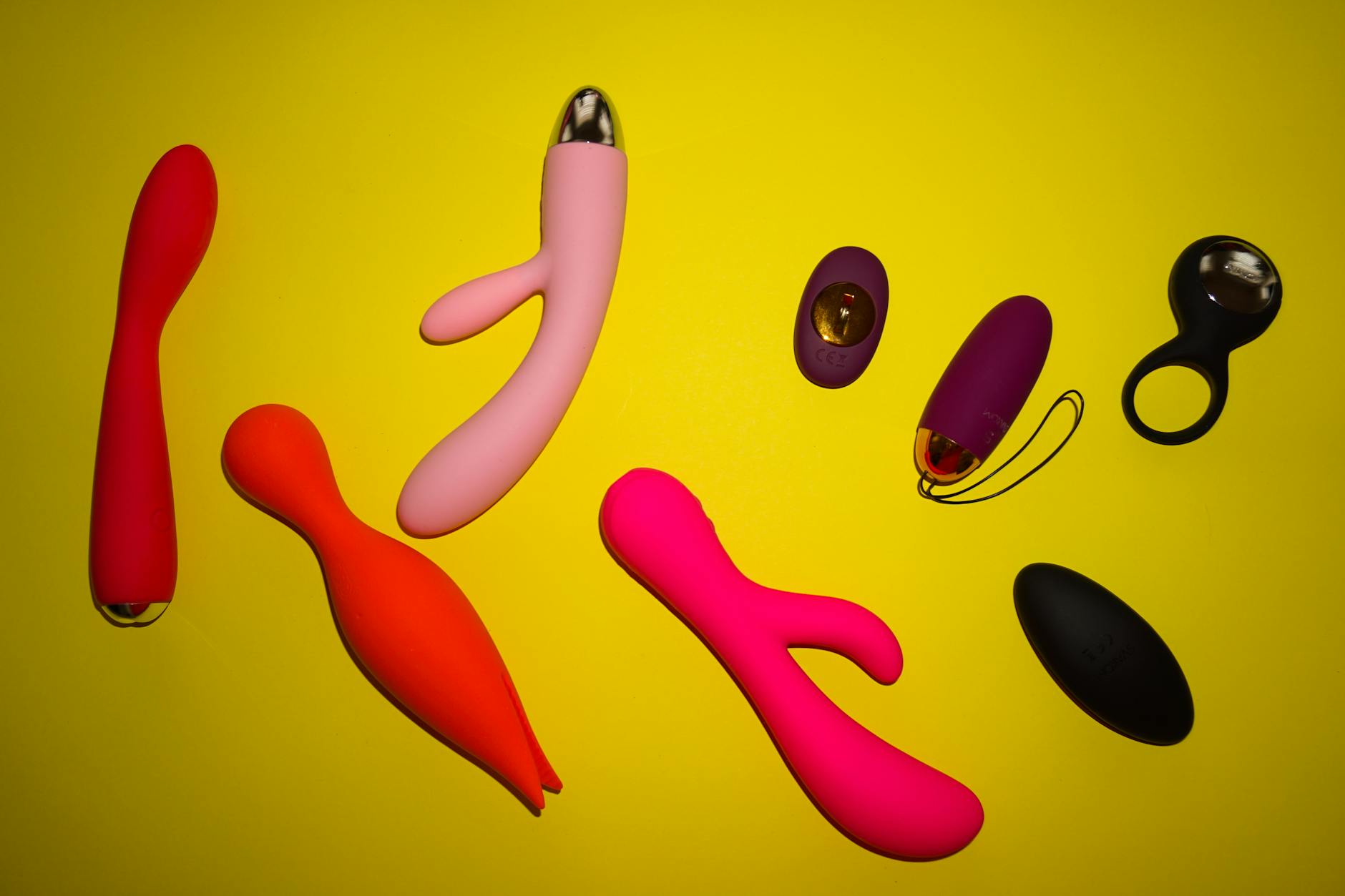
A lemon clitoral vibrator can't fix your relationship. But it can keep you grounded in your own body while you figure out whether this is a temporary phase, a medical issue that needs addressing, or a deeper incompatibility worth confronting. That distinction matters.
Why age changes desire (and it's rarely what you think)
When men reach their 50s and beyond, testosterone naturally declines. That affects not just frequency of desire, but the physical mechanics of arousal. Erections take longer, feel less reliable, and the whole experience becomes less automatic and more effortful. Many men interpret this as a personal failure and simply withdraw rather than talk about it.
Women often experience something different. Estrogen drops at menopause, which changes tissue thickness and lubrication, but that's usually fixable with lubrication or topical treatment. What sometimes doesn't bounce back is the mental desire. Hormonal shifts can genuinely flatten libido in ways that feel like permanent personality change.
But here's what I see most often in my practice: the medical piece is real, but it's not the whole story. By the time someone's partner stops initiating sex, there's often years of unspoken resentment, unmet emotional needs, or simple avoidance of an uncomfortable conversation. The sex didn't stop because of hormones. The hormones became a convenient explanation for a problem that started somewhere else.
Why using a lemon vibrator alone matters right now
I'm not recommending it as a substitute for your partner. I'm recommending it as a boundary.
When you stop touching yourself because your partner has stopped touching you, you cede your entire sexual self to their circumstances. Your pleasure becomes conditional on their desire. That's a dangerous place to be, especially in a long relationship where there's already a power imbalance.
Using a lemon clitoral vibrator, or any device, while your partner isn't interested, does something specific: it reminds your nervous system that you exist. That your body has sensation independent of their participation. That pleasure is not something you've lost. It's something you've been waiting for permission to claim.
That shift, from "I can't have pleasure because my partner doesn't want it" to "I have pleasure available to me regardless," changes the entire dynamic of the relationship. Suddenly you're not resentful. You're not waiting. You're not performing the role of the patient, rejected partner. You're a person with needs, managing them.
Your partner may eventually notice. They may ask why. That conversation becomes a real one instead of a grievance wrapped in silence.
How to start using a lemon vibrator in this situation
First, you need privacy that feels genuine. Not sneaking around. Not apologizing. Just a locked door and 15 minutes. Many people in long relationships lose this. You haven't.
Start with the understanding that this isn't about intensity or outcome. A lemon clitoral vibrator works through suction and gentle stimulation, which feels different than the kind of friction you might use if you were aroused alongside a partner. You're essentially reintroducing your body to sensation in a quieter, more intimate way.
Begin at the lowest setting. The gentle pattern works well if you've been without regular stimulation for a while. Your clitoral tissue hasn't been neglected, but it may be less responsive than you remember. Lower intensity for longer time tends to feel better than high intensity chasing a specific outcome.
Budget 20 to 30 minutes. Not because you need that long, but because the goal isn't orgasm. The goal is sensation. The goal is remembering what pleasure feels like when it's purely yours. An orgasm might happen. It might not. Both are fine.
The conversation you need to have (and when to have it)
Don't lead with the vibrator. Don't lead with blame. Lead with curiosity.
"I've noticed our sex life has changed. I'm wondering if something's shifted for you. Is it stress? Is it physical? Is it something about us I don't know about?"
That's the conversation. Not accusatory. Not desperate. Just honest.
If your partner gets defensive, that tells you something. If they get embarrassed and admit it's a medication side effect or erectile dysfunction, that tells you something else. If they say they're just not interested anymore, that's the third option. Each one requires a different response.
If it's medical, there's a path forward. Low testosterone is treatable. Erectile dysfunction has multiple solutions. Vaginal dryness is fixable. Your partner needs to be willing to address it with a doctor, but it's addressable.
If it's relational, you might need a couples therapist to unpack what's really going on. Sometimes the sex stopped because the intimacy did. Sometimes it's the reverse.
If it's simply that your partner's desire has genuinely changed and yours hasn't, you have a real incompatibility to discuss. That's harder, but at least it's honest.
What a lemon vibrator helps you do in the meantime
A lemon clitoral vibrator keeps you from making decisions from a place of desperation. It keeps you sane. It keeps you connected to yourself when your partner is disconnected. It gives you enough of your own pleasure back that you can think clearly about whether this relationship still works for you.
I've had clients tell me that reclaiming solo pleasure gave them back their sense of agency. Suddenly they weren't having "the talk" because they were desperate for their partner to fix them. They were having it because they'd remembered they had choices.
That changes everything about the conversation.
When to seek outside help
If your partner won't talk about what's changed, that's worth addressing with a therapist. Not as a couple, necessarily. Just for yourself first. You need to understand whether this is a temporary phase, a fixable problem, or a sign that you've grown in different directions.
If your partner has a medical issue they're willing to address, a sex therapist who specializes in aging and erectile dysfunction can genuinely help. They're trained to navigate the shame that often surrounds these conversations.
If you realize that you have fundamentally different needs and your partner isn't willing to explore any solution, that's information. Hard information. But information.
Your pleasure matters. Not as a way to fix your relationship. Not as a way to prove anything. But as evidence that you're still alive, still present, and still deserving of sensation and intimacy, regardless of what your partner decides.
FAQ
How do I use a lemon vibrator discreetly if we share a bedroom?
Lemon clitoral vibrators are quiet enough that you can use one while a partner is asleep or occupied. That said, if you have to hide it, that's worth examining. You deserve privacy around your own body. A locked bathroom, 20 minutes while your partner is occupied elsewhere, or an honest conversation about boundaries might be needed. If your partner objects to you having solo pleasure time, that's a separate problem worth addressing.
Will using a vibrator on my own make it harder to enjoy sex with my partner if they ever become interested again?
No. Solo pleasure and partnered pleasure use different neural pathways. One doesn't damage the other. In fact, people who have active solo pleasure lives often bring that comfort with their own body back into partnered sex. They're less anxious, more present, and clearer about what they need.
Can I suggest using a lemon vibrator together as a way to reconnect?
Only if your partner has already shown willingness to engage with intimacy. If they're actively rejecting sex, introducing a device might feel like pressure or rejection of them. The better move is to have the conversation first, understand what's going on, and then explore whether toys might help as part of a larger approach.
How long should I wait before deciding this relationship isn't meeting my needs?
That depends on your partner's willingness to engage. If they won't talk about it, won't see a doctor, and won't acknowledge that there's a problem, you don't have to wait long. Six months of honest effort with professional support is reasonable. Six years of silent resentment is not.
What if my partner finds out I'm using a vibrator and gets angry?
That anger is about their own insecurity, not about your behavior. You're entitled to a solo pleasure life. If your partner can't handle that, you're dealing with a control issue that goes deeper than libido. That's therapy territory.
Is it normal to feel guilty about using a lemon vibrator when my partner doesn't want sex?
Completely normal. You've probably internalized the message that your desire is dependent on your partner's willingness. It's not. Your body belongs to you. Your pleasure is not a betrayal. It's self-care. It's also often the only thing that keeps long-term relationships from becoming entirely transactional.
Your pleasure matters. Not because it fixes your relationship. But because you matter, regardless of whether your partner wants sex right now. A lemon clitoral vibrator is a tool for remembering that. Use it as one.