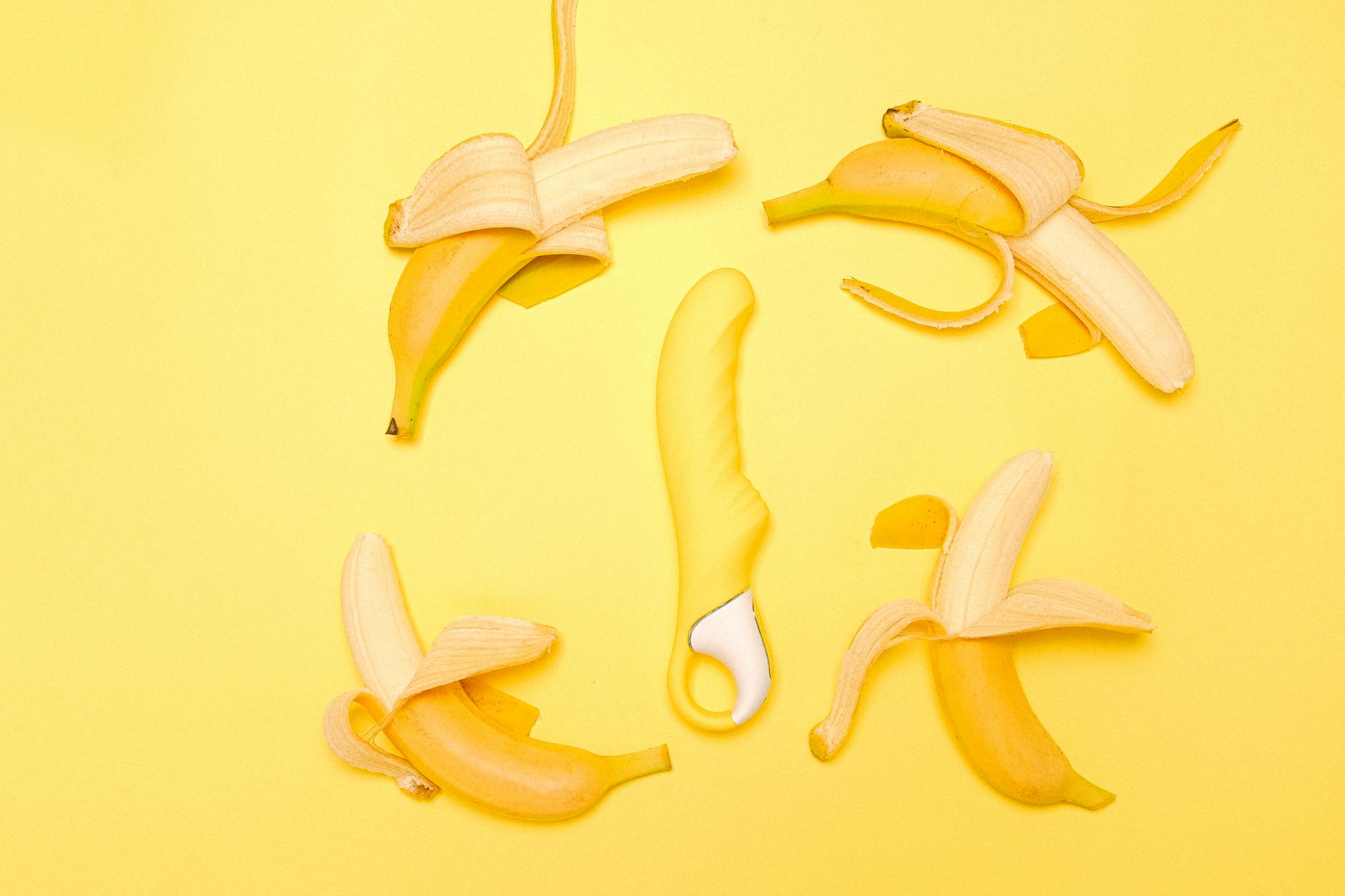
Here's the thing nobody mentions about post-surgical sex
Surgery doesn't just affect the surgical site. It affects how your whole nervous system responds to touch, arousal, and pleasure. Pain becomes the background noise that either quiets down or takes over entirely. If you're waiting to feel normal again, you're not being impatient. You're being realistic.
The good news? A lemon clitoral vibrator can actually speed up the rewiring process, not delay it. But only if you use it at the right time, in the right way, with the right expectations.
What happens to sensation after surgery
Your body goes into protection mode. Scar tissue forms, nerve endings reorganize, inflammation drops gradually over weeks or months depending on what was done. During this phase, direct pressure often feels wrong. Triggering pain, even small pain, resets your nervous system's threat detection. Your brain gets the message that this area is still unsafe.
That's why using a standard vibrator too early can backfire. The intensity, the direct friction, the sustained pressure on healing tissue. All of it reads as threat. Your nervous system responds by clamping down, which makes arousal harder, orgasm nearly impossible, and sex feel like work instead of pleasure.
Lemon suction vibrators work differently. They use gentle air-pulse technology instead of direct vibration. That matters enormously when tissue is still healing.
Why lemon vibrators change the recovery timeline
Three reasons lemon sexual toys are gentler on healing tissue:
The suction approach. Instead of a vibrator pressing directly against sensitive areas, lemon clitoral vibrators create a seal and rhythmic suction. That stimulates nerve endings without the mechanical pressure that can trigger pain or inflammation. For someone recovering from surgery, this is the difference between "I can do this" and "please stop."
Reduced direct contact. You control how much pressure you want. Start with the gentlest suction pattern, dial it up when your body is ready. With a standard vibrator, you're locked into what it does. With a lemon vibrator, the stimulation scales with your healing.
Pattern variety. Different pulse rhythms let you find what feels good without intensity. You might discover that pattern three, the slowest one, is perfect for where you're at. As tissue heals and nerves settle, you can explore faster patterns. You're not locked into "off" or "maximum."
Timing matters. A lot.
There's a wide difference between "I can have sex" and "I'm ready to explore pleasure." Medical clearance is one thing. Actual physical readiness is another. And they don't always happen at the same time.
Most surgeons say you can resume sexual activity four to six weeks after surgery. But that's the minimum bar for mechanical safety. It doesn't mean tissue is fully healed. It doesn't mean your nervous system has finished rewiring. It means you're unlikely to cause physical damage.
Here's my framework for knowing when you're actually ready:
Weeks one through three. Surgery is too fresh. Your body is still managing inflammation. Skip pleasure exploration entirely. Rest matters more than anything. Your nervous system needs to settle.
Weeks four through six. You might have medical clearance, but most people aren't ready yet. This is the phase where solo touch with no vibrator is the right experiment. Can you touch yourself without pain? Can you feel arousal building without it hurting? If yes, you're getting close.
Weeks six through ten. This is when lemon clitoral vibrators actually start making sense. Your body has quieted down enough that gentle stimulation won't trigger the pain response. Suction patterns work beautifully here because they're not asking tissue to handle direct pressure.
Beyond week ten. Tissue is usually stable by now, but everyone's different. Some people need longer. The signal to move forward is simple: does gentle pleasure feel good, or does it still hurt? If it hurts, wait longer. If it feels okay, gradually increase intensity.
The nervous system piece (this matters more than you think)
Here's what most guides miss: your nervous system remembers pain. Even after tissue heals, your brain might still think that area is damaged. That's why some people can be cleared for sex but still can't access arousal. The body is saying "no" because it's protecting you.
Reintroducing pleasure slowly is how you tell your nervous system "the threat is over." Gentle lemon suction stimulation, without pressure or intensity, sends the signal that this area can feel good again. It's not forcing pleasure back. It's inviting your body to remember what pleasure felt like.
Start with five minutes. No goal of orgasm. No pressure to feel anything specific. Just gentle suction, low patterns, and noticing what your body can access. Some days you'll feel arousal building. Some days you'll feel nothing but safety. Both are progress.
Communication matters more during recovery
If you have a partner, they're probably nervous too. They're worried about hurting you. They're unsure if this is okay. That uncertainty gets in the way of their own arousal. So you're both showing up to sex half-present, which makes everything harder.
Before you try anything with a lemon vibrator, have one conversation: "Here's what my surgeon said. Here's what I'm actually ready for. Here's how we can explore this together without either of us getting scared." That conversation is foreplay. It's also the thing that actually lets pleasure happen.
Then use the vibrator solo first. Not as rejection of your partner, but as a way to teach your body that pleasure is safe again. Once you know what feels good, you can invite your partner into that experience. They get to watch you enjoy yourself. That's a huge shift from both of you worrying.
When to pause and talk to your doctor
Increased pain during or after using a vibrator is a sign something's wrong. Not a sign you're doing it wrong, but a sign your body needs more time. Stop. Wait. Try again in a week. Your timeline for healing is your timeline.
Bleeding, discharge, or sudden swelling means call your surgeon. These aren't reasons to feel ashamed. They're your body's way of saying "not yet." Listening to that is how you actually heal.
If pain is persistent even twelve weeks after surgery, or if arousal feels impossible, talk to a pelvic floor physical therapist. Sometimes scar tissue needs specific work. Sometimes your nervous system needs additional help settling. A specialist can figure out what you need.
Rebuilding the story you tell yourself
Surgery can make people feel broken. Not broken in the sense of damage, but broken in the sense of "my body doesn't work the way it used to." That story gets in the way of healing more than the surgery itself sometimes.
Using a lemon vibrator during recovery is a small but real way of saying: "My body still deserves pleasure. It's just going to feel different for a while, and that's okay." Every time you feel something good, every time suction brings you to the edge of arousal, you're rewriting the narrative. You're telling yourself and your nervous system that pleasure is possible, that healing happens, that you're not broken.
You're not rushing back to normal. You're building a new normal that includes your actual body and your actual timeline.
People also ask
How long after surgery can I use a lemon vibrator?
Most surgeons clear you for sexual activity at four to six weeks. But readiness is more important than the timeline. Use this test: can you touch yourself gently without pain triggering? If yes, a lemon vibrator with suction on the lowest pattern might feel okay. If touching yourself still hurts, wait longer. There's no prize for trying earlier.
Why does a lemon clitoral vibrator feel better than a regular vibrator after surgery?
Lemon suction vibrators use air-pulse technology instead of direct vibration. That means gentler stimulation without the pressure that can aggravate healing tissue. You also control the intensity and pattern, so you can adjust based on what your body can handle that day. With a regular vibrator, you're locked into whatever it does.
Can using a vibrator delay healing?
Gentle use won't delay healing. In fact, bringing blood flow back to the area through pleasure can support healing. The key is starting slowly, low patterns, and stopping immediately if you feel pain. Pain is always the signal to pause. Pain means something's not ready yet.
What if my partner and I want to explore together during recovery?
Talk first. Let them know you're not healed yet, so intensity and speed are off the table. Using a lemon vibrator on yourself while they're present, watching and connected, is often easier than trying to do partnered touch when you're both nervous. It takes the pressure off both of you and lets pleasure build at your pace.
Is it normal to not feel arousal during recovery?
Completely normal. Pain, stress, healing hormones, and nervous system protection all dampen arousal. This isn't a sign of damage or loss of desire. It's your body prioritizing healing. As tissue settles and your nervous system gets the message that the area is safe, arousal usually comes back. Patience is how you get there.
When should I know if something is wrong?
Increased pain, bleeding, discharge, or sudden swelling during or after vibrator use means pause and wait. These aren't emergencies, but they're messages to listen to. If you're more than twelve weeks post-op and pain is still significant, or if arousal hasn't started returning, talk to your surgeon or a pelvic floor specialist. Sometimes scar tissue or nerve issues need specific attention.
The honest timeline
Your body is healing. Your nervous system is recalibrating. Your sense of what pleasure feels like is being rewritten. This isn't linear. Some days you'll feel more sensation. Some days you won't. That's not failure. That's healing.
A lemon vibrator isn't a shortcut through recovery. It's a tool that makes gentle reintroduction to pleasure possible when your body is actually ready. Use it that way. Start low, wait long, and trust that desire and sensation come back when your system feels safe again.
You're not broken. You're recovering. And recovery includes pleasure.