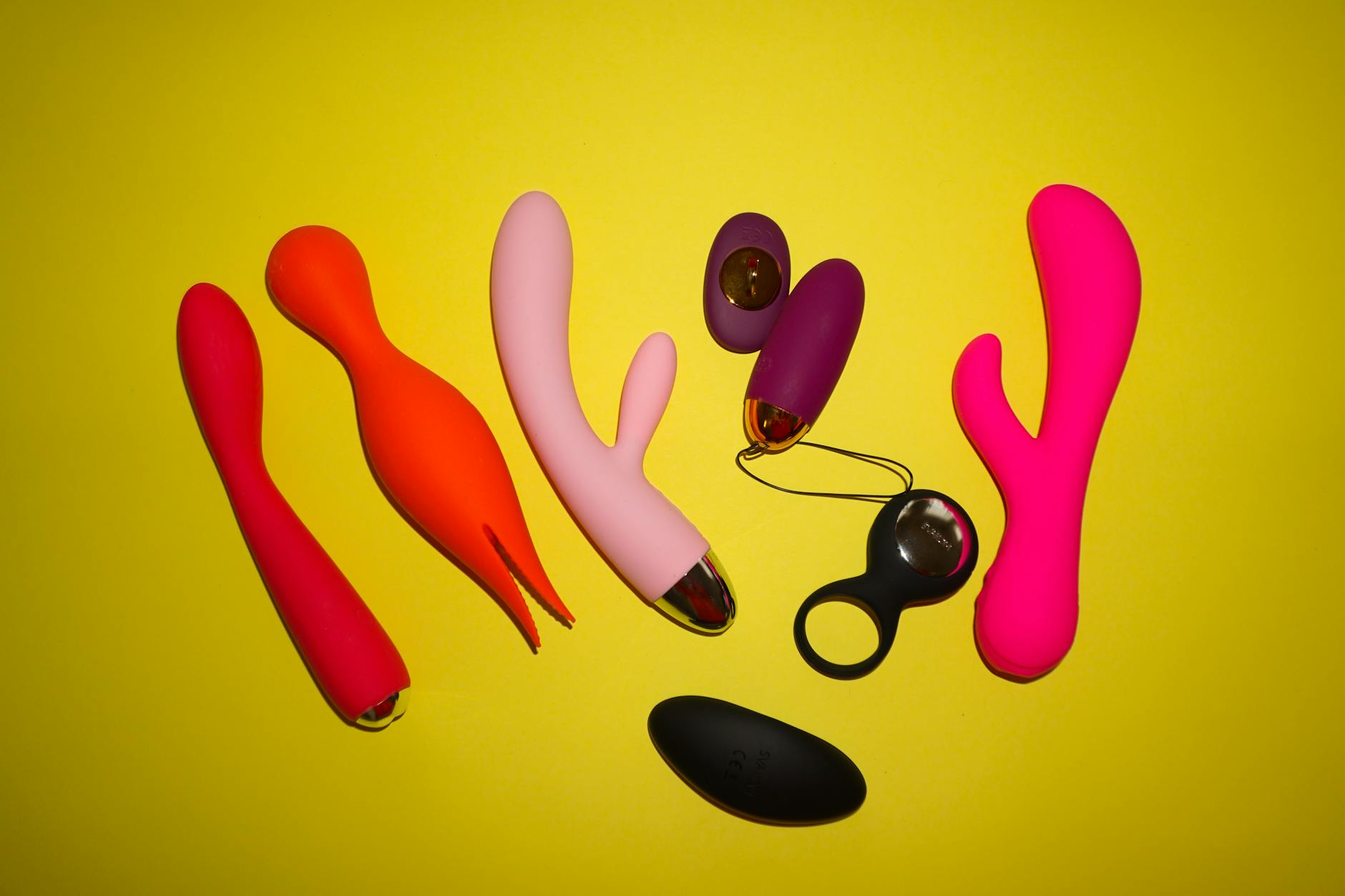
Let's talk about what happens when you've been apart
Weeks turn into months. Months turn into something longer. Maybe it was a career move, a family crisis, health reasons, or just the slow drift that long-distance relationships sometimes become. And now you're trying to touch your partner again, and it feels like you're starting from zero.
Here's the thing nobody tells you: that feeling is real, but it doesn't mean the connection is gone. It means your nervous system needs permission to ease back in. And a lemon clitoral vibrator can be that permission slip.
Why physical reconnection is harder than you'd expect
Our bodies remember absence. When we haven't been touched in months, the skin becomes hypersensitive in some places and weirdly numb in others. Arousal takes longer. Your mind is doing a thousand background checks: "Is this safe? Do I still want this? Will it feel weird?" That mental chatter kills desire faster than anything physical ever could.
Add in the fact that your partner feels the same hesitation, and you've got two people lying next to each other, both waiting for the other one to make the first move. Intimacy stalls.
A clitoral vibrator like the Lem changes this dynamic not because it replaces your partner, but because it removes a specific kind of pressure. You're not waiting for someone else's touch to feel good. You can feel good independently, which paradoxically makes partnered touch less loaded.
How sensation changes after time apart
When you haven't been sexually active for months, your tissues are less engorged with blood. Arousal happens slower. The clitoris takes longer to become sensitive. Some people report feeling almost numb in places that used to be responsive.
This isn't permanent. It's just what happens when the body isn't regularly stimulated. Think of it like a muscle that's been resting. It needs a gentle, consistent signal to wake back up.
The lemon vibrator's suction pattern is ideal here because it doesn't require you to be already aroused to feel something. That gentle air-pulse sensation works on unstimulated tissue in a way that friction alone doesn't. You can be mostly neutral and still experience pleasure, which takes the pressure off "getting in the mood" first.
Building solo arousal as a bridge
Let me be clear: this isn't about choosing yourself over your partner. It's about remembering how your body works so that partnered sex doesn't feel like a performance.
Spend a few sessions (alone or with your partner present but not actively involved) learning your body again with the lemon vibrator. Notice which patterns feel good. How long does it take for sensation to build. What rhythm actually gets you there, versus what you think should work.
This is the information you need to communicate with your partner. "The first pattern for three minutes, then switch to the second" is a sentence that prevents a lot of awkward guessing.
Using it together without the awkwardness
Here's how to introduce it to your partner without it feeling clinical:
Start with observation, not performance. Your partner watches you use the lemon vibrator on yourself. No pressure to reciprocate. No expectation of sex afterward. Just watching. This does two things: it gets your partner used to the device, and it takes the performance pressure off you.
Then swap. They use it on you while you stay present with the sensation. Not as foreplay necessarily. Just as reconnection. Let it feel weird at first.
Build from there. Incorporate it into partnered play when you're both ready. The suction pattern pairs well with manual touch from a partner, or with penetration if that's relevant to you.
The timeline here isn't a week. It's probably 3-4 weeks of gradual building before you're both feeling genuinely connected again. That's not slow. That's realistic.
Managing the emotional weight
Separation carries emotional baggage. Maybe the distance ended things poorly. Maybe you're both terrified it'll happen again. Maybe you feel resentment that's showing up as body tension.
None of that goes away because you used a vibrator. But you can name it separately from "my body doesn't work." If arousal is slow, it might be real tissue-responsiveness, or it might be legitimate emotional guardedness, or both.
Talk about this directly. "I'm emotionally worried, so my body's slower to respond" is different from "My body is broken," and your partner needs to know which one it is.
When to go slow and when to just go
There's a balance between giving yourself grace and waiting forever to feel normal again. Some couples benefit from a structured rebuild. Others benefit from just deciding to have sex imperfectly and letting the connection rebuild naturally.
If it's been under three months and you're both willing, sometimes the fastest path back is to just move forward messily. Use the lemon vibrator as a tool if friction feels off, but don't wait for perfect conditions.
If it's been over a year, or if there's trauma involved in the separation, take more time. Give yourself permission for the rebuild to take months. That's not failure. That's realistic.
The lemon vibrator as neutral territory
One reason I recommend an air-suction clitoral vibrator like the Lem for couples rebuilding intimacy is that it's agnostic. It's not a sex toy that replaces your partner. It's not something that implies judgment about your partner's capability. It's just a device that makes sensation easier.
That neutrality means you can introduce it without triggering the "Are you saying I'm not enough?" conversation. You're saying "I want to feel good, and this helps." That's self-care, not criticism.
Practical tips for the first few uses together
Use lube. Even if you don't think you need it, use it. Your tissues are more sensitive after time apart, and slickness makes everything feel better.
Keep the first sessions short. Five to ten minutes. The goal isn't an orgasm. It's reconnection. You can build intensity later.
Have your partner use it on you before you use it on yourself. There's something about someone else controlling the device that feels more intimate, even if it takes longer to find the rhythm.
Laugh if things feel awkward. They will feel awkward. That's normal. Laughter is one of the fastest ways to build intimacy when you've been apart.
FAQ
How long does it typically take to feel normal arousal again after months apart?
Most couples report a noticeable shift within 4-8 weeks of consistent sexual contact. "Normal" is individual though. Some people regain full responsiveness in weeks. Others take 3-4 months. Biology matters, but emotional safety matters more. If there's unresolved hurt about the separation, physical reconnection will take longer.
Can a lemon vibrator fix a relationship that's emotionally damaged by long-distance?
No. A clitoral vibrator is a tool for physical reconnection, not emotional repair. If the separation created resentment or trust issues, you need to address those separately, ideally with a therapist or couples counselor. But once that emotional work is underway, the vibrator can help the physical side feel less strained.
Is it weird to use a vibrator with my partner if we've never used one before?
It can feel weird at first. That's okay. Most people report that the weirdness passes after the second or third use. The key is talking about why you want to use it (easier sensation after time apart) rather than introducing it as a surprise. Frame it as "this might help us reconnect faster" rather than "our sex life is broken."
What if my partner is uncomfortable with using a vibrator?
Listen to their actual objection. If it's "I don't think I'm enough," that's a conversation about insecurity that a vibrator won't fix. If it's "I don't know how to use it," that's a logistics problem you can solve together. If it's a hard no, respect it and find other ways to rebuild. There are multiple paths back to intimacy.
Should we use the vibrator every time we have sex, or just sometimes?
Start with sometimes. Use it during solo sessions while rebuilding sensation. Then incorporate it into partnered play occasionally, maybe once a week. You're not building a vibrator dependency. You're using it as a tool to bridge a specific gap. As your arousal patterns normalize, you might use it less. Or you might love it and keep using it. Both are fine.
How do I know if my slow arousal after being apart is physical or emotional?
Physical slow-arousal usually feels the same regardless of your partner. Emotional slow-arousal changes depending on where you are emotionally. Try solo sessions with the lemon vibrator. If you respond quickly and strongly, your issue is probably emotional safety with your partner (worth addressing). If you're slow to respond even alone, your tissues probably just need time to wake back up.
Getting started
Rebuilding physical intimacy after time apart isn't about forcing yourself or your partner. It's about giving your nervous system permission to ease back in. A lemon clitoral vibrator removes one layer of pressure so that real, messy, human reconnection can happen.
Start small. Talk first. Be willing to laugh at awkwardness. And know that the fact that you're both trying matters more than how quickly your bodies cooperate. That effort is what builds the connection back.