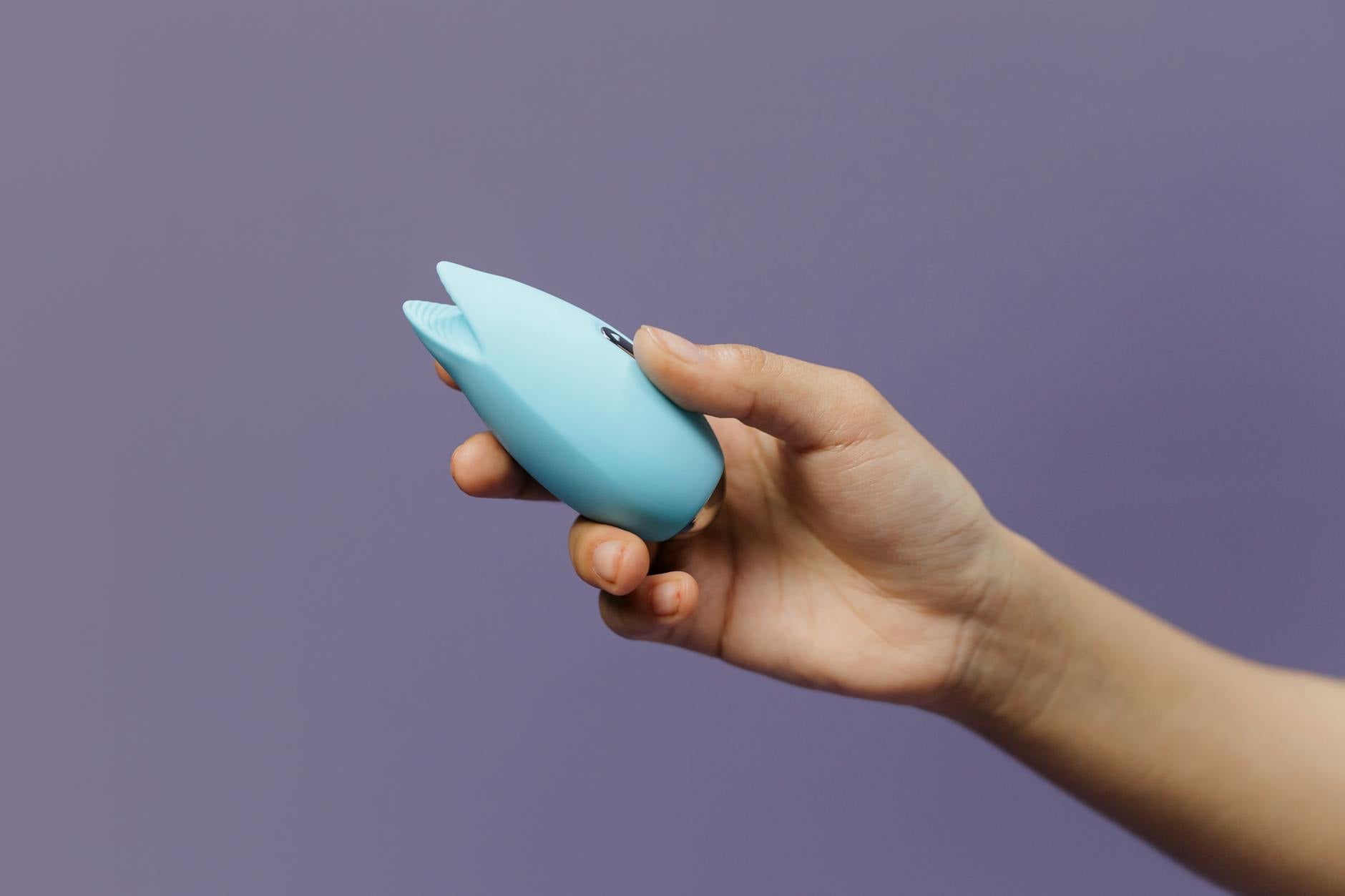
Not everyone's clitoris wants to be touched the way most vibrators touch it. Some tissue is hypersensitive. Some people find direct friction uncomfortable, numbing, or even painful. And some of us simply prefer the feeling of suction, which works through a completely different mechanism.
Unlike traditional vibrators that buzz directly against tissue, lemon-style clitoral vibrators use gentle suction and pulsing air waves to stimulate the entire clitoral complex, not just the surface. This matters way more than it sounds.
Your clitoris is not just the tiny external nub you see. It's a whole organ that extends internally in a wishbone shape around the vagina. Traditional vibrators work one way: they vibrate. Lemon vibrators work another way: they create waves of suction that stimulate the nerve endings across the whole structure, including the internal branches.
Here's the practical difference: when you use a lemon sucker vibrator, stimulation builds across a wider area. The sensation feels like waves, not relentless buzzing. You're not grinding texture into sensitive skin. You're creating rhythmic pressure changes that your nervous system reads as pleasure rather than irritation.
This approach is especially helpful if you've experienced clitoral desensitization from years of intense vibration, if you have vaginismus or pelvic floor tension that makes direct touch uncomfortable, or if you're recovering from any kind of genital trauma. The lemon vibrator lets you access deep pleasure without the mechanics that triggered problems before.
When you're sensitive to direct pressure, your clitoris isn't broken. It's just asking for a different approach. Think of it like this: you wouldn't massage a bruise with the same pressure you'd use on healthy muscle. Same principle.
The clitoral glans, the external part, has about 8,000 nerve endings packed into a space smaller than a pea. It's exquisitely sensitive. But sensitivity doesn't always mean "touch me harder". Sometimes it means "touch me differently".
Suction-based lemon clitoral vibrators distribute stimulation across those nerves in a gentler, more diffuse way. Instead of point pressure, you get expanding and releasing waves. Many people find they can stay in that pleasure zone longer without overstimulation shutting them down.
Begin with the lowest suction setting. Yes, even if you think you like intensity. Your nervous system needs time to learn this new sensation. With suction, less initial pressure actually trains your body to build arousal more sustainably.
Start with about 2 minutes at the gentlest setting, just exploring how it feels. Don't aim for orgasm yet. The goal is sensation mapping, not performance. Move the vibrator slightly, pause, find the sweet spot. You'll notice that the clitoris responds by swelling slightly, which actually improves sensation naturally.
Once you feel comfortable (and this might take a few sessions, which is totally normal), gradually increase the intensity. You'll probably notice that you can stay with higher settings longer than you could with traditional vibrators, because the wave-like stimulation doesn't fatigue your nerve endings the same way.
One of the biggest advantages of suction-based design is how well it plays with other touch. Your hands are free. Your partner can touch other parts of your body. You can move around. You're not locked into one position the way you might be with a handheld vibrator.
Try this combination: use the lemon vibrator at a medium setting while your partner (or you, if solo) touches your breasts, neck, or inner thighs. The split attention actually amplifies sensation. Your brain gets to process pleasure coming from multiple sources, which can deepen arousal and make orgasms longer.
If you're partnered, let your partner know that you're exploring pressure-free stimulation. This is important information for them. You're not rejecting their touch or saying something's wrong. You're saying "this specific approach works better for my body right now." That's data they'll appreciate having.
With pressure-sensitive tissue, rushing doesn't help. Your clitoris needs blood flow and arousal to really open up. Budget at least 15 minutes before using the lemon vibrator, and spend that time on things that turn you on.
Read something hot. Watch something that makes you want to touch yourself. Talk to your partner about desire. Get your breathing elevated. Let your mind settle into pleasure instead of performance anxiety.
Then, when you use the lemon vibrator, your tissue is already responsive. The suction feels richer. The waves penetrate deeper. You're not trying to force arousal; you're amplifying something that's already building.
Suction works best when there's a light seal between the vibrator and your body. That requires some moisture. If you're naturally dry (which is common, honestly), add a little water-based lubricant around the opening of the vibrator head. This isn't about sex feeling slippery; it's about the physics of suction working properly.
Water-based lube is also gentler on sensitive tissue than silicone-based options. And if you're using a silicone lemon vibrator, silicone lube will actually degrade the material over time. Stick with water-based, apply sparingly, and you'll get better suction and longer lasting pleasure.
Here's a thing that surprises a lot of people: with lemon vibrators, faster doesn't always equal better. Because the stimulation is already quite intense (even at lower settings, the concentrated suction is powerful), rhythm matters more than speed.
Try this: use the vibrator at a consistent medium speed for 3-5 minutes. Then pause completely for 30 seconds. Notice how your clitoris continues to swell and respond even when the vibrator isn't running. Then restart. That pause-and-resume pattern actually builds more intense sensation than continuous vibration ever could.
Many people find that their orgasms are longer and more full-body when they use rhythm instead of just cranking up intensity. You're training your nervous system to ride waves of pleasure rather than chase a single point of maximum stimulation.
If you're using the lemon vibrator correctly and still experiencing pain, numbness, or any sensation that feels wrong, that's worth discussing with a gynecologist or pelvic floor physical therapist. There are real conditions like pudendal neuralgia or pelvic floor dysfunction that affect sensation, and a professional can help you figure out what's happening.
Similarly, if you've been through genital trauma and are exploring pleasure again, working with a sex-positive therapist alongside your physical exploration can make the process faster and safer. You're not broken. You just might benefit from professional support while your nervous system heals.
Using a lemon vibrator when you're pressure-sensitive isn't a compromise. It's actually often the fast track to deeper, more reliable orgasms. Because you're working with your body's actual needs instead of against them.
Your clitoris isn't asking you to accept less pleasure. It's asking you to find the right approach. And for a lot of people, that approach is suction, not friction. That's not a limitation. That's just information.
Start slow. Pay attention to how your body responds. Let the rhythm build. And give yourself permission to explore without judgment. That's where the real pleasure lives.
What's the difference between a lemon vibrator and a traditional clitoral vibrator?
A lemon vibrator uses suction and air-pulse technology to stimulate your clitoris through gentle waves, while traditional vibrators buzz directly against tissue. Suction-based lemon clitoral vibrators are gentler on sensitive areas and often feel more like a massage than intense buzzing. They're particularly helpful if direct pressure causes discomfort or numbness.
Can you use a lemon vibrator if you have clitoral hypersensitivity?
Yes, often very successfully. Because lemon suction vibrators distribute stimulation across the entire clitoral complex rather than focusing pressure on one spot, many people with hypersensitivity find them more comfortable than traditional vibrators. Start with the lowest setting and give your body time to adjust to this new sensation pattern.
How long does it take to have an orgasm with a lemon sucker vibrator?
It varies widely, but many people report that suction-based stimulation builds pleasure more gradually than traditional vibration, which often means longer arousal time but also longer, more intense orgasms. Budget 15-20 minutes for your first few sessions, including warm-up time, and don't focus on speed. Your body will find its rhythm.
Is it normal to feel nothing at first with a lemon vibrator?
Completely normal. If you're used to intense direct stimulation, suction might feel subtle at first. Your nervous system needs time to recognize and respond to this different sensation. Keep exploring at low intensities for a few sessions before deciding it's not for you. Most people find the sensation deepens as they relax into it.
Can you use a lemon vibrator with a partner?
Absolutely. Because your hands are free with a lemon vibrator, it's easier to incorporate partnered touch. Your partner can touch other parts of your body while you use it, or they can hold it while you guide them. Having a conversation beforehand about pressure sensitivity helps them understand what you're looking for.
What should you do if a lemon vibrator causes pain?
Stop and reach out to a healthcare provider. Pain during sexual activity isn't normal, even with sensitive tissue. It might indicate vaginismus, pelvic floor dysfunction, or another condition that benefits from professional assessment. A gynecologist or pelvic floor physical therapist can help you figure out what's happening and what actually helps.
Clinical research on clitoral stimulation and sensation:
Bad
inski, C.M., et al. (2018). "Neurophysiology of genital sensation and orgasm in women with complete spinal cord injury." The Journal of Sexual Medicine, 15(11), 1475-1483. This study explores how different stimulation patterns activate clitoral nerves.
Hollern, M.P., et al. (2021). "Clitoral and vaginal sensory testing in women with pelvic pain." Journal of Sexual Medicine, 18(5), 869-877. Relevant for understanding pressure sensitivity and tissue response.
Suction-based device efficacy:
Robertson, L.J., et al. (2019). "Efficacy and safety of air-pulse technology clitoral stimulation devices: a systematic review." Sexual Medicine Reviews, 7(3), 415-423. Reviews the effectiveness of suction vibrators for different user populations.
Markestein, H., & Smith, L. (2020). "Patient satisfaction with non-traditional vibration patterns in sexual wellness devices." Archives of Sexual Behavior, 49(7), 2547-2559. Data on preference for rhythm-based over intensity-based stimulation.
Ready to explore? Nancy Lem Shop offers a range of clitoral vibrators designed specifically for different tissue types and preferences. Start with what feels right for your body.