The thing nobody tells you about new relationships and sex toys
Let's be real. You're thinking about bringing a lemon clitoral vibrator into things with someone new, and you're worried it might feel like rejection. That it'll make them think you're not satisfied, or that they're not enough. So you stay quiet, and then either you don't get what you need, or you spring it on them mid-intimacy and watch their face go confused.
Here's what I've learned from years of working with couples navigating exactly this: the conversation itself is almost never the problem. The problem is waiting too long to have it, or framing it wrong.
Why the timing matters more than you think
Introduce a lemon vibrator when things are good between you, not when you're trying to fix something that feels broken. That's the first rule. If you're in the early-honeymoon phase where sex feels easy and connected, that's your window. Not three months in when desire has flatlined. Not after a fight. Not during sex itself.
The reason timing matters is simple: your partner's brain will make a story out of the timing you choose. If you bring it up casually during a regular conversation about preferences or pleasure, they'll hear it as exploration. If you wait until things have gotten stale and then suggest it, they'll hear it as "this isn't working for me anymore."
When you're still in that early phase of genuine curiosity about each other, toys become part of that curiosity, not a fix for a broken situation.
How to actually say it without making it weird
Forget the whole setup conversation. You don't need to schedule a serious talk or sit them down with a presentation. The best time to mention it is when you're already talking about sex or pleasure.
Try something like this: "I've been thinking about trying a lemon vibrator. I read that the suction thing is really intense, and I'm curious what it would feel like. Would you want to explore that together?"
Notice what that does. It puts the focus on your curiosity and sensation, not on them or what they're not providing. It's collaborative. "Explore that together" is the key phrase. You're not doing this without them or hiding it. You're inviting them in.
If they seem hesitant, don't push. Instead, ask what's coming up for them. Sometimes people need a minute to process. Reassurance helps: "I'm still attracted to you. This isn't about you. I just know my body responds to this, and I want to share that with you."
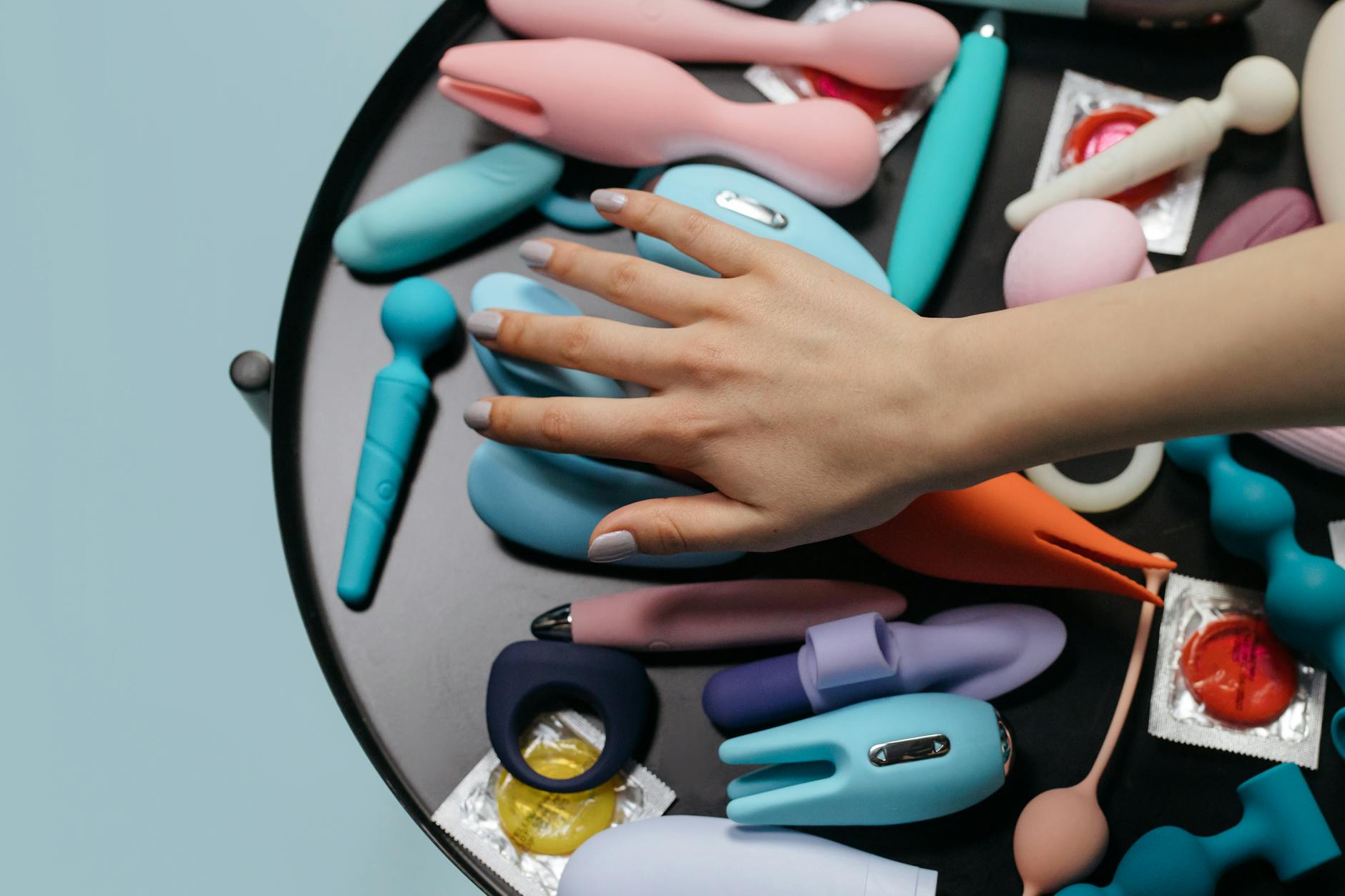
Photo by cottonbro studio on Pexels
The reassurance part (and why it matters)
Your new partner might have questions you didn't expect. "Will you want to use it instead of me?" "Does that mean I'm not enough?" "Will this change how you feel about sex with me?"
These sound like insecurity, but they're actually reasonable questions when someone's introducing a tool they've never encountered. Answer them directly.
"No, I won't want to use it instead of you. I want to use it with you." That's true for most people. A lemon suction vibrator doesn't replace partnered sex. It expands it. You can use it solo, you can use it during foreplay, you can use it while they're inside you, you can use it while making out.
If they're worried they won't know how to use it, tell them that. "We'll figure it out together. There's no right way." If they're worried it means they're not good at sex, that's different. That requires a different reassurance: "You turn me on. This is something my body responds to on a physical level. Both things are true."
These distinctions matter because they hit different insecurities. Generic reassurance doesn't work. Be specific.
What to do if they say no
Sometimes people aren't ready. Some people grew up with shame around toys. Some had partners who used toys to avoid them. Some are just not there yet.
If your partner says no, the question isn't whether you use it anyway in secret. The question is why they said no, and whether there's something underneath that needs addressing. Ask. "What's coming up for you about this?" Listen without defending yourself.
Sometimes the answer is just "I'm not ready yet," and that's okay. You can revisit it in three months. Sometimes it's "I feel like that means you don't want me," which is something you can actually work with through conversation and reassurance.
But if you use a lemon clitoral vibrator behind their back, you've not only violated their boundary, you've confirmed their worst fear. That you wanted this more than you wanted their trust. That's the one mistake that actually breaks things.
When they say yes: setting expectations
If they're in, the next conversation is practical. When you bring the lemon vibrator into the bedroom for the first time, it's not a test. It's not the main event. It's foreplay. It's something you introduce casually, not like you've been planning this moment.
Say something like: "Want to see what this does?" Show them. Let them hold it. Let them see how it works. No mystery, no buildup. A clitoral vibrator is just a tool that creates intense sensation. That's all. Demystifying it takes a lot of the pressure off both of you.
The first time you actually use it together, don't make it weird by narrating everything. Don't ask "Do you like this?" every five seconds. Just use it and see what happens. Your partner can watch, can touch you while you use it, can be inside you while you use it. All of those are different experiences.
Most couples find that after the first time, it becomes totally normal. It's just part of what you do sometimes.
If things get weird after you introduce it
Sometimes a partner agrees but then seems off. They go quiet. They don't engage. They change the subject when toys come up.
That's worth addressing directly, but not in the moment. Later, when you're not naked and not vulnerable, ask what happened. "I noticed you seemed kind of distant the other night. Is everything okay?"
Don't defend the vibrator. Just listen. Sometimes people need time. Sometimes they're embarrassed about their own response. Sometimes they're thinking about it more than you realize, and they need permission to say that out loud.
The relationship skill here is the same whether you're talking about a toy or anything else: noticing when something shifts, and being willing to talk about it without getting defensive. That's it.
What works better than you'd think
I've found that couples who communicate openly about what they want in bed are the ones who actually keep wanting each other. Toys aren't what does that. Honesty does. A lemon suction vibrator is just the vehicle. The real thing that matters is that you can say "I want this" and your partner can say "Let's try it" without shame.
If you can do that with a toy, you can do it with anything. You can say what you need. You can ask for what you want. You can be vulnerable without being rejected.
That's the part that actually strengthens a relationship. The toy is just the thing that started the conversation.
FAQ: New partners and lemon vibrators
How soon into a relationship should I mention a lemon vibrator?
Wait until things feel solid and connected, usually three to eight weeks in. You want them to feel secure in the relationship before introducing something new. Not so soon that you barely know each other, not so late that it feels like a fix.
What if I already have a lemon vibrator and they find it?
Don't lie. Say something like: "Yeah, I have one. I've used it solo. Would you want to explore that together?" Direct is better than caught.
Can I use a lemon clitoral vibrator during sex with my new partner?
Absolutely. Ask first. "Can I use this while you're inside me?" Most partners find it actually feels amazing because it intensifies sensation for both of you. Communication in the moment helps: "Tell me if anything feels off."
What if they want to use it on me but I don't know if I'm comfortable?
That's fine. You can control it yourself the first few times. "Let me show you where feels good, and then you can try." You're not obligated to let someone else handle your pleasure right away, new relationship or not.
How do I bring up that I've used lemon sexual toys before without making them insecure?
Frame it as part of knowing yourself, not as a comparison to them. "I've explored what my body responds to. That's actually why I want to share this with you. I know what turns me on." That's empowering, not threatening.
Does using a lemon vibrator with a new partner mean the relationship will be more sexually compatible?
Not necessarily, but the willingness to talk about toys usually means you can talk about other things. Sexual compatibility is about communication, not about toys. A couple that can navigate this conversation can navigate most things.
The bottom line
Introducing a lemon clitoral vibrator into a new relationship doesn't require a script or a plan. It requires honesty, timing, and the ability to listen when your partner responds. Say what you want. Notice what they say back. Adjust. That's the skill. The vibrator is just the thing that makes you practice it. Your pleasure matters. Their comfort matters. Both things can be true, and talking about it like adults makes that clear.