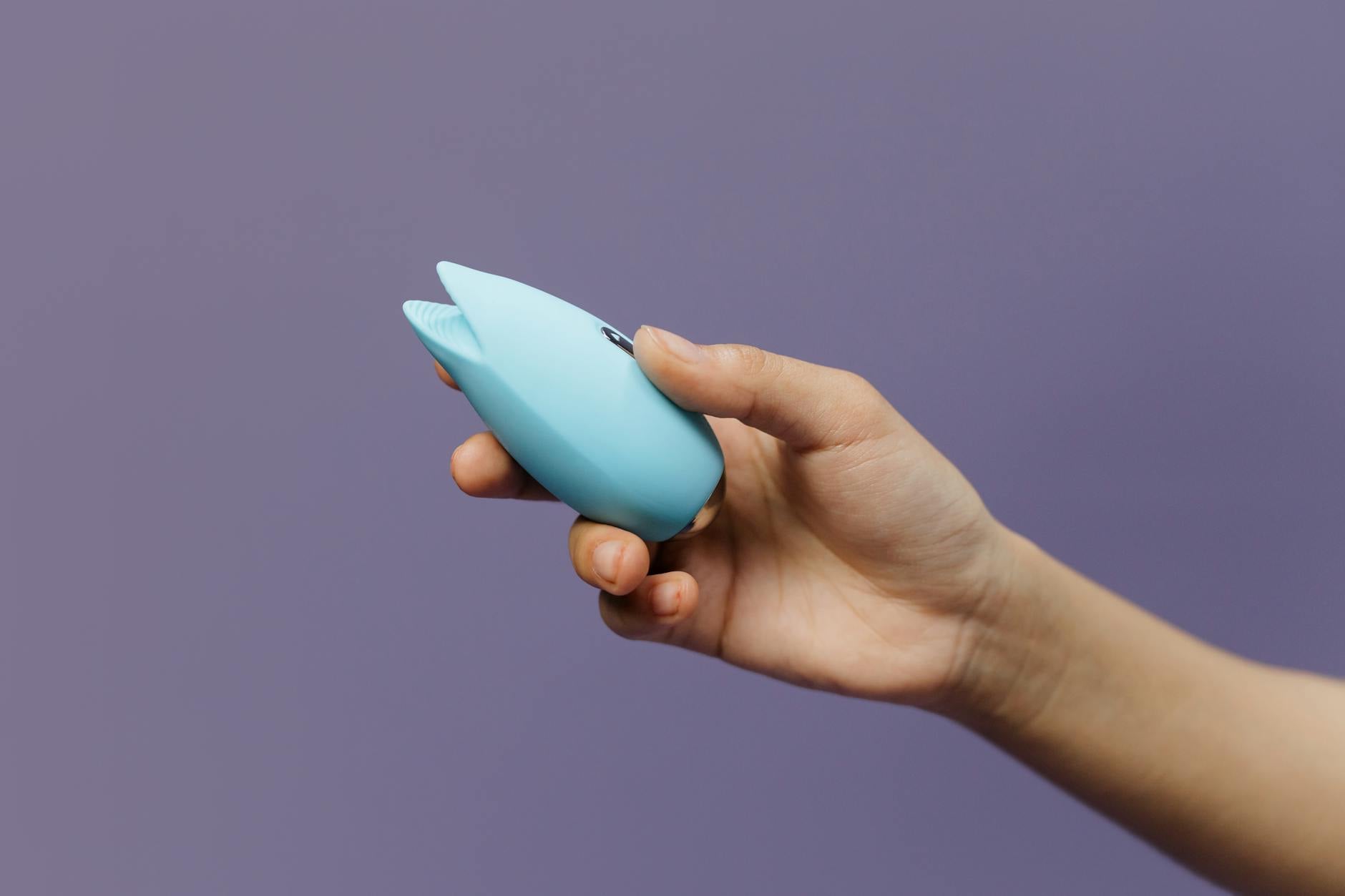
Lemon Vibrators and Vaginal Dryness: The Complete Lubrication Guide
Here's the thing. You can have the best lemon clitoral vibrator in the world, but without the right lubricant, you're fighting friction instead of enjoying sensation.
Vaginal dryness isn't rare, and it's not something to feel weird about. Hormonal shifts, certain medications, stress, or just natural variation all affect lubrication. And if you're using a lemon vibrator—or any clitoral toy—the wrong lube will either ruin the experience or damage your toy.
I'm breaking down exactly what works, what doesn't, and why the pairing actually matters.
Why lemon vibrators need lubrication
Unlike internal vibrators that slide into natural lubrication, clitoral vibrators sit directly against sensitive tissue. The vibration itself doesn't generate moisture. Add dryness, and you're dealing with friction that can feel painful, uncomfortable, or just flat wrong.
Lubrication does four things for you. It reduces friction, which means less irritation and more sensation transmission. It lets the vibrator glide slightly instead of sticking, which changes how the vibration actually feels on your body. It extends your session without discomfort. And honestly, it just makes everything better.
But here's where people get tripped up: not all lubricants are compatible with all toys. A silicone-based lube on a silicone lemon vibrator is a mistake. A water-based lube on a cheap porous toy can let bacteria in. Choose wrong, and you damage the toy or create an environment for infection.
Water-based lubricants: the safest bet
Water-based lube is your default choice. It works with every toy material, it's easy to clean, and it's the most comfortable for most bodies.
Think of it like this: water-based lubes are the vanilla ice cream of the lube world. Not flashy, but reliably good and hard to mess up.
Why water-based wins:
- Safe on silicone, glass, metal, and plastic toys
- Completely bodily safe—no weird chemical reactions
- Washes away with water
- Doesn't stain fabric
- Absorbs after 20-30 minutes, so you're not slippery the rest of the day
The tradeoff is that water-based lubes dry out faster. You might need to reapply during longer sessions or if you're using the lemon vibrator for more than 20-30 minutes. That's not a flaw—it's just how they work.
When you're shopping, look for lubes with simple ingredients: water, glycerin, a thickener, and preservative. Avoid anything with numbing agents (they mask pain and can hide damage), added scents, or warming/cooling elements (these are usually gimmicks and can irritate).
Silicone-based lubricants: when to avoid them
Here's the mistake most people make. Silicone lubes feel incredible—they're slick, they last a long time, and they're silky smooth. But if your lemon vibrator or any clitoral vibrator is made of silicone, you cannot use silicone lube on it.
Silicone-based lubricants will break down the silicone toy, creating tiny pits and degrading the surface. Over time, this ruins the toy and creates a porous surface where bacteria can hide. It's not a myth—it's actual material science.
Silicone lube is fine on glass, metal, or stone toys. But for the vast majority of clitoral vibrators, including lemon vibrators, stick with water-based.
Hybrid lubricants: a middle ground
Hybrid lubes mix water and silicone. They last longer than pure water-based lubes and feel slightly slicker, but they're still safe on silicone toys.
They're a legitimate option if you want something between the two. The drawback is they're slightly harder to clean and may stain. Test on a small area first if you're using them on fabric.
Application tips that actually matter
Lubricant amount makes a difference. A thin layer is fine for external clitoral stimulation. You're not trying to submerge the toy—just enough so it doesn't drag against skin.
Apply lube directly to your vulva, not just the toy. Your body is the interface here. A small amount (coin-sized or smaller) goes a long way. If you add too much, the toy can slip around and lose contact, which defeats the purpose.
If you're using a lemon clitoral vibrator for a longer session, keep the lube nearby. As water-based lube dries, sensation changes. Some people like that—it feels different as you go. Others prefer to reapply and maintain the same glide. Both are normal.
Apply fresh lube between any transition—if you're moving from manual stimulation to the vibrator, add a tiny bit more. If your partner is touching you and then the vibrator comes in, same deal.
Common lubrication mistakes
Using coconut oil might feel intuitive, but it's not. Coconut oil can throw off your pH, increase yeast infection risk, and it will damage silicone toys over time. Just don't.
Buying the cheapest lube you can find. Ultra-cheap lubricants often contain irritants, numbing agents, or materials that aren't body-safe. Spend the extra five dollars. Your vulva will thank you.
Assuming all water-based lubes are the same. They're not. Some are thick and creamy, others thin and watery. Some contain glycerin (which can feed yeast if you're prone to infections), others don't. Read ingredients and try different brands until you find what your body likes.
Forced transitions with dried lube. If the lube has dried and friction is building, stop and reapply. Pushing through isn't tougher—it's just uncomfortable and unnecessary.
Why lube quality matters for sensitivity
If you have heightened clitoral sensitivity, the right lubricant actually reduces unwanted sensation. Good lubrication lets the toy work smoothly instead of creating micro-friction that can feel sharp or irritating.
For sensitive clits, creamy water-based lubes tend to work better than thin ones. The thickness provides more consistent glide and less of that grabby friction.
Low-quality lubes can have particles or rough texture that irritate sensitive tissue. Paying for a better product isn't vanity—it's practical comfort.
Storage and shelf life
Store lubricants away from heat and direct sunlight. Water-based lubes last about two years; silicone-based last longer. If your lube separates, smells off, or looks discolored, toss it. Using old lube increases infection risk and just isn't worth it.
Keep your lube accessible but not displayed. A nightstand drawer is perfect. If you're using it regularly, there's no reason to be secretive about it, but you probably don't want it sitting on your bathroom shelf.
Lube and partners
If you're using a lemon vibrator with a partner, be clear about what you're doing and why. "I'm adding lube because it feels better" is conversation full stop. You're not trying to fix something that's wrong—you're making something feel even better.
Some partners worry that needing lube means something is wrong with them or the relationship. It doesn't. Bodies have different moisture levels at different times. Lube is a tool, not a sign of failure.
Bring lube into partnered sex without shame. Many couples find that adding lube to external stimulation changes the dynamic in really good ways.
FAQ
Can I use lube with a lemon vibrator if I don't have vaginal dryness?
Absolutely. Even if your body naturally produces enough lubrication, adding lube can change sensation in ways you might really enjoy. It reduces friction even further, which some people find more intense and pleasurable. There's no threshold of dryness you have to meet to use it. If it feels good, use it.
Does using lube desensitize you over time?
No. Lubrication doesn't affect nerve sensitivity. The only way you'd experience reduced sensation is if friction itself was actually creating uncomfortable sensations that lube then reduces. Once that's gone, you're back to baseline sensation plus better glide.
Is it normal to need lube more at certain times of my cycle?
Completely normal. Estrogen fluctuates throughout your cycle, and lubrication follows. Before ovulation, your body typically produces more natural lubrication. After ovulation and especially right before your period, dryness is common. This has nothing to do with your partner or your arousal—it's just your body's natural rhythm. Keep lube accessible all month.
Can I use saliva as lubricant with a lemon vibrator?
Not really. Saliva dries quickly and doesn't provide sustained lubrication. It's fine for initial sensation during partnered play, but if you're using a vibrator for any length of time, a real lubricant works better. Plus, saliva can introduce bacteria if the toy isn't perfectly clean.
What if lube makes me feel less sensation?
That might mean you're using too much, or it might mean you need a thinner lube. Try using less product—a truly small amount—or switch to a runnier water-based lube. Some people also find that as the lube starts to dry, sensation increases, so you might be experiencing sensation changes as you go. Experiment with different amounts and types until you find your sweet spot.
Do I need special lube for a lemon clitoral vibrator specifically?
Not specially—any quality water-based lubricant works great with lemon vibrators because they're silicone toys. The lube matters less for the toy and more for your comfort and safety. Get something body-safe and water-based, and you're good.
The bottom line
Lubricant is a basic necessity for comfortable toy use, not an extra accessory or an admission of inadequacy. The right pairing—a quality lemon clitoral vibrator plus appropriate lubrication—makes the whole experience better.
Start with a good water-based lubricant. Keep it clean. Reapply as needed. And pay attention to how your body responds at different points in your cycle and with different amounts. Your comfort is the whole point.
If you want more guidance on technique and comfort with clitoral vibrators, our piece on why lemon vibrators work better for sensitive clits has more strategies. Or explore how to use a lemon vibrator for the first time if you're just getting started.
Your pleasure deserves the right setup. Lubricant is part of that.